With the electric vehicle (EV) market evolving rapidly, Ford is confronting challenges to create profitable electric models. The company’s CEO, Jim Farley, addressed these challenges and the company’s strategy for success during the Wolfe Research Global Auto Conference.
During his speech, Farley emphasized the critical need for Ford to focus on developing a small, affordable EV. This new initiative is driven by the necessity for the vehicle to be profitable within its first year of production. He stated that for larger vehicles, beyond the size of the Ford Escape, customers expect additional functionality or utility, indicating the importance of practical design in Ford’s future EVs.
He further explained how the company aims to create vehicles that are not only affordable but also offer better operational costs and economics than established compact cars such as the Toyota Corolla and Honda Civic.
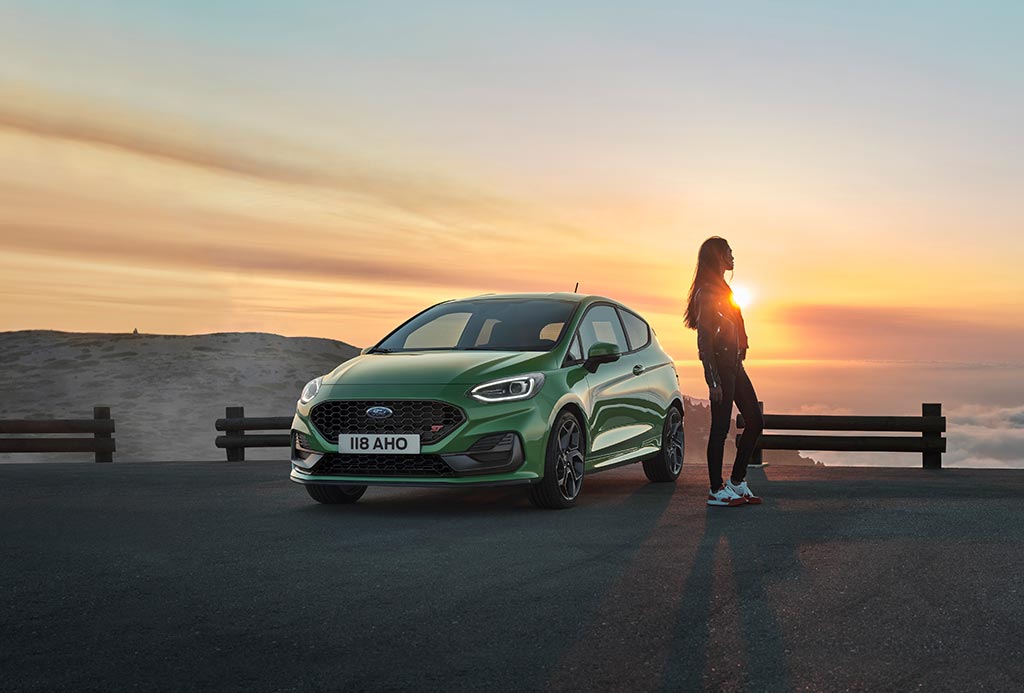
Previously, Ford’s strategy had shifted away from compact cars, highlighted by the cessation of its Fiesta production line in Germany in favor of larger all-electric models like the Explorer. However, with rising competition and the onset of more affordable EVs from other automakers, the need to re-enter the compact car market is clear.
The timeline for the release of Ford’s compact hatch remains uncertain, although previous reports had suggested a potential launch window of 2024–2025.
As Ford gears up to introduce its compact EV, the carmaker is likely to face intense competition. The sector is already crowded with entries like Fiat’s 500e and 600e, Mini Cooper SE, and the anticipated Renault 5 EV in Europe. Moreover, with Tesla and Chevrolet reportedly planning to offer compact vehicles under $25,000, the affordable EV segment is set to become a battleground for automakers.
The growth and intesifying competition in the affordable EV sector signal a significant shift as manufacturers and consumers alike increasingly prioritize sustainable and economically viable transportation options.