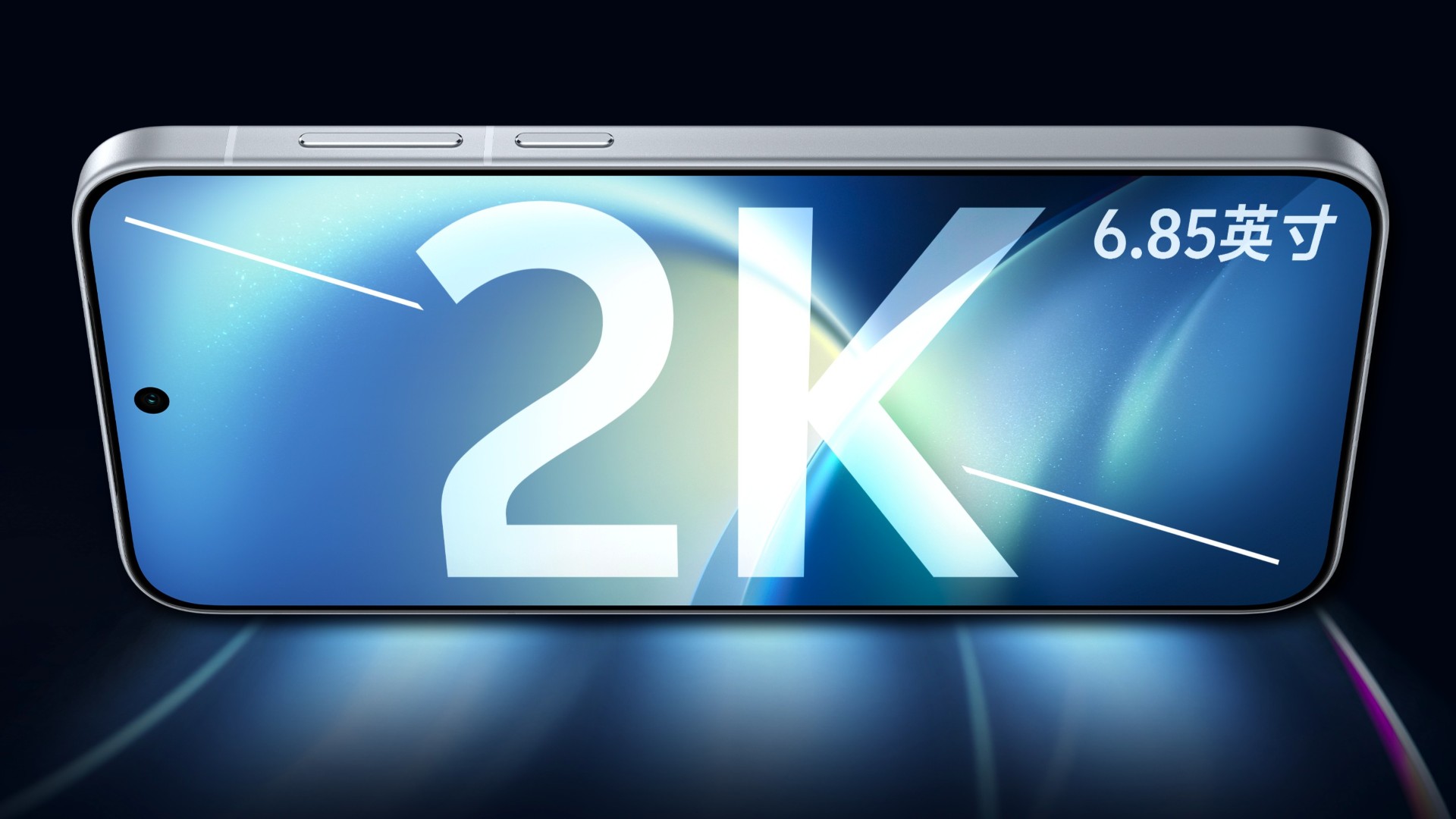
Vivo X500 Pro Max teased with 6.85-inch 2K BOE display, Zeiss color tuning, and major efficiency gains
Vivo is building momentum for the launch of its upcoming X500 Pro series, and the latest official teaser shifts the spotlight from cameras to the display. After several previews focused on telephoto performance, advanced stabilization, a new Sony sensor, and imaging upgrades powered by MediaTek’s next-generation 2nm chip, Vivo is now highlighting what could become one of the standout features of the X500 Pro Max: its screen.
The Vivo X500 Pro Max is confirmed to feature a 6.85-inch OLED display from BOE with 2K resolution. While that already positions the device firmly in flagship territory, Vivo is presenting the panel as far more than just a sharp, high-resolution screen. The company is using BOE’s new Q11 OLED panel, branded as a “Zeiss Master Color Display,” suggesting a strong focus on color accuracy, consistency, and premium visual quality.
According to Vivo product manager Han Boxiao, the new display brings a 43 percent improvement in color uniformity compared with the previous generation. Brightness uniformity has also reportedly been optimized by 23 percent, which should help the screen look more consistent across its entire surface, especially when viewing bright content, HDR videos, photos, or white backgrounds.
Vivo also claims a major reduction in ghosting artifacts. The company says the X500 Pro Max display improves this area by 93 percent, which could make scrolling, gaming, and fast-moving video appear cleaner and smoother. For users who notice motion blur or trailing effects on OLED panels, this could be a meaningful upgrade.
Another key improvement is dimming precision. Vivo says the display can adjust brightness more accurately at levels as low as 0.3 lux, which may improve comfort during nighttime use or in very dark environments. The automatic brightness system is also said to respond more smoothly to ambient lighting, helping avoid sudden jumps in brightness when moving between indoor and outdoor settings.
Battery efficiency is another major part of Vivo’s pitch. Despite offering a large 6.85-inch 2K OLED display, the BOE Q11 panel is claimed to consume 21 percent less power than a typical 1.5K display. If this translates well in real-world use, the X500 Pro Max could deliver a sharper screen without heavily sacrificing battery life.
The panel is also expected to integrate a multispectral sensor beneath the display. This could help improve color temperature adjustment, ambient light detection, or other screen-related features designed to make the viewing experience feel more natural in different lighting conditions.
Vivo is also promising a 100 percent increase in display lifespan, suggesting the new OLED panel may be more resistant to long-term wear. That would be an important improvement for users who keep their phones for several years or frequently use high brightness settings.
The Vivo X500 Pro series is shaping up to be a major flagship release, combining upgraded camera hardware, advanced image processing, a next-generation MediaTek chip, and now a significantly enhanced display. The X500 Pro Max, in particular, appears to be aimed at users who want a top-tier smartphone experience across photography, video, gaming, and everyday viewing.
With its 6.85-inch 2K BOE Q11 OLED panel, Zeiss Master Color Display branding, improved uniformity, reduced ghosting, better dimming, lower power consumption, and longer lifespan, the Vivo X500 Pro Max could become one of the most visually impressive Android flagship phones of its generation. Real-world testing after launch will reveal whether these ambitious claims deliver the premium screen experience Vivo is promising.


