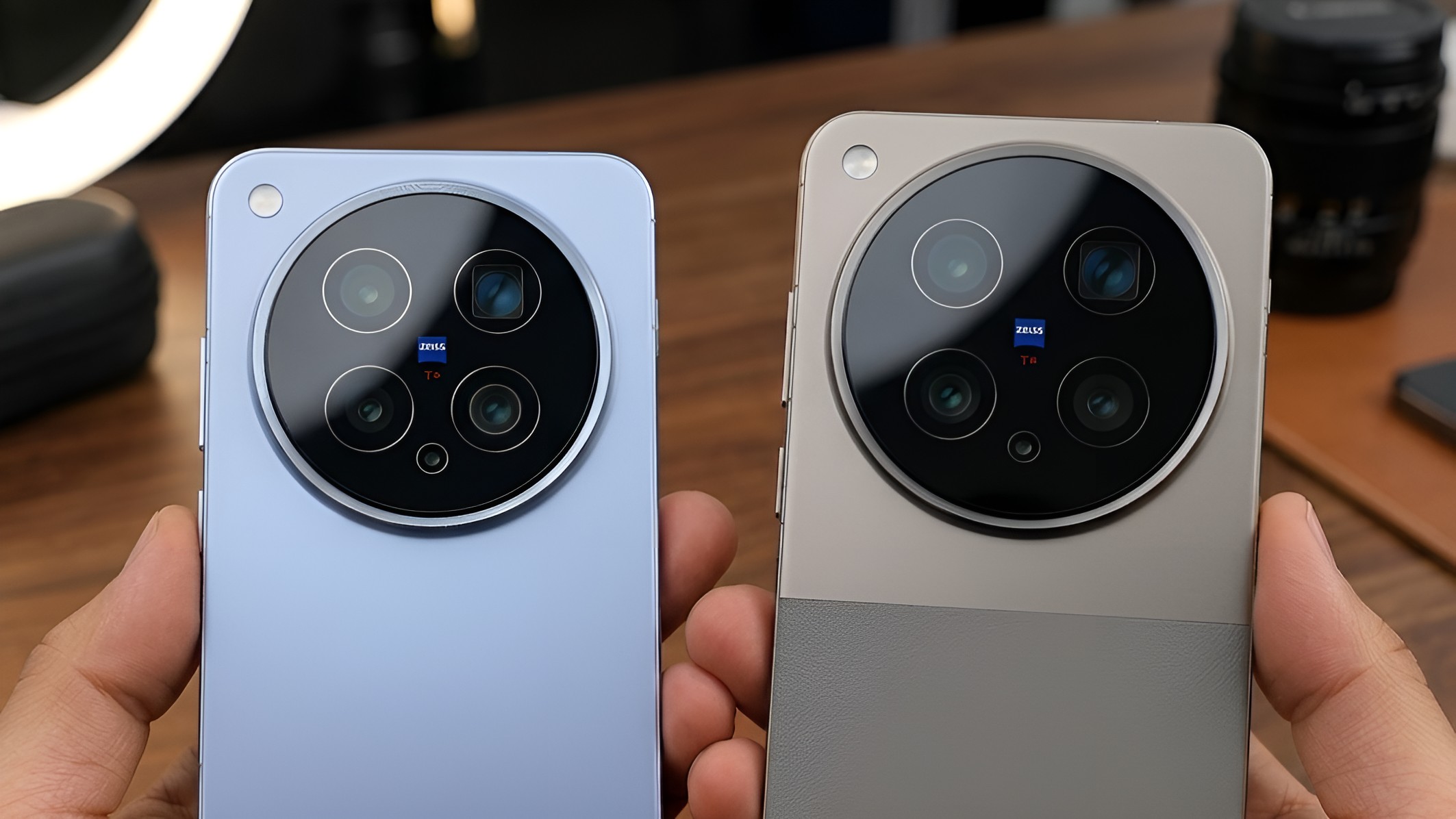
Vivo X500 Pro and X500 Pro Max teased with 2nm MediaTek power and major camera upgrades
Vivo is building excitement for its upcoming Vivo X500 Pro and Vivo X500 Pro Max, and the latest teaser suggests these flagship phones could bring major improvements in performance, battery efficiency, photography, and video recording. The new X500 series is expected to launch in September with Zeiss-backed camera systems and a next-generation MediaTek processor built on an advanced 2nm process.
Recent teasers from Vivo product manager Han Boxiao have focused heavily on camera hardware, including upgraded telephoto performance, stronger image stabilization, and a new Sony sensor designed to capture a much wider dynamic range. Now, Vivo is shifting attention to the chipset that will power many of these imaging improvements.
Although MediaTek has not officially announced its next flagship mobile chip yet, Vivo has confirmed that the X500 Pro lineup will use a new high-end MediaTek platform manufactured on a second-generation N2P 2nm process. This is expected to deliver better performance while reducing power consumption, which could make the Vivo X500 Pro and Vivo X500 Pro Max faster, cooler, and more efficient during demanding tasks.
That matters not only for gaming and multitasking, but also for advanced camera features. Modern smartphone photography relies heavily on image processing, AI acceleration, and real-time video optimization. With a more powerful chipset and Vivo’s own imaging coprocessors working together, the X500 series could offer a noticeable jump in photo and video quality compared with previous models.
One of the most exciting camera upgrades teased for the Vivo X500 Pro Max is support for 4K Dolby Vision portrait video. This feature could help users capture more cinematic footage with richer colors, better contrast, and improved subject separation. For creators, vloggers, and mobile filmmakers, this may be one of the standout features of the device.
Vivo is also highlighting 4K 120fps video recording in 10-bit Log. This is a professional-style video feature aimed at users who want more control in post-production. Shooting in Log gives footage a flatter color profile, preserving more detail in highlights and shadows so creators can color grade their videos with greater flexibility.
Autofocus is another area expected to improve. Thanks to a faster NPU, the Vivo X500 Pro and X500 Pro Max are said to offer quicker 60fps autofocus tracking. This should help keep moving subjects sharper, whether recording pets, children, sports, travel scenes, or fast-paced street footage.
Zoom video quality is also expected to benefit from the new hardware. Smartphone zoom has improved significantly in recent years, but video zoom still often suffers from reduced sharpness, instability, and noise. Vivo appears to be targeting these weaknesses with better processing, stronger stabilization, and more capable telephoto camera hardware.
The Vivo X500 Pro Max is also expected to feature CIPA 7-rated stabilization for its main camera, which could make handheld photography and video recording more reliable in low light and motion-heavy situations. Stronger stabilization can help reduce blur in photos and deliver smoother video without needing a gimbal.
Another key upgrade is the new Sony sensor, which Vivo says offers a dynamic range of 17.5 EV. In practical terms, this means the camera should be better at handling scenes with bright highlights and deep shadows, such as sunsets, city lights, backlit portraits, or indoor shots with windows in the background. A wider dynamic range can help preserve more detail and produce more natural-looking images.
While Vivo has not yet revealed every specification, the teaser campaign makes one thing clear: the X500 Pro series is being positioned as a photography-first flagship lineup with serious performance upgrades. The combination of Zeiss optics, advanced camera sensors, improved stabilization, Vivo imaging technology, and a next-generation 2nm MediaTek chip could make the X500 Pro Max one of the most interesting camera phones of the year.
The official launch in September should reveal the full details, including the final chipset name, complete camera specifications, battery capacity, display features, and pricing. Until then, Vivo’s teasers suggest that the X500 Pro and X500 Pro Max are designed for users who want a premium Android flagship with powerful imaging tools, better video features, and improved energy efficiency.