China’s AI Boom Sends Chip Profits Soaring as Domestic Semiconductor Push Accelerates
China’s fast-growing investment in artificial intelligence is delivering a major boost to the country’s semiconductor industry, with chipmakers seeing a sharp rise in profits as demand for advanced computing hardware continues to climb.
The surge reflects a broader shift across China’s technology sector. As AI models, cloud computing platforms, data centers, and high-performance computing systems require more powerful chips, domestic semiconductor companies are benefiting from stronger orders and renewed investor confidence. This growing demand is not only lifting short-term earnings but also helping fuel China’s long-term ambition to become more self-reliant in advanced chip production.
One of the most notable trends is the rapid expansion of domestic capacity for advanced-node semiconductors. These chips are essential for AI processors, servers, smartphones, networking equipment, electric vehicles, and industrial automation. As Chinese companies work to reduce dependence on foreign suppliers, investment is flowing into fabrication plants, design capabilities, packaging technology, and materials needed to support next-generation chip manufacturing.
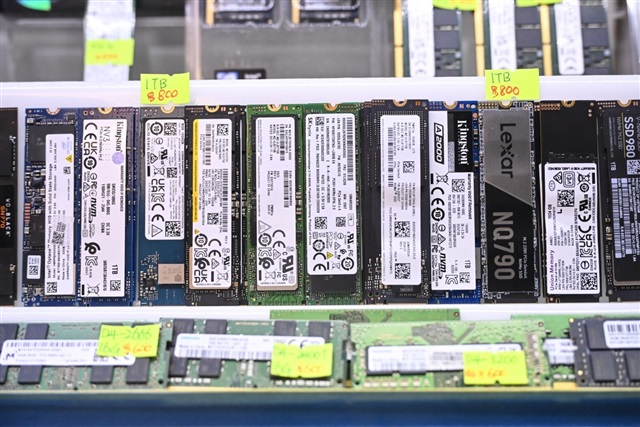
Memory production is also becoming a key focus. AI systems require massive amounts of data processing and storage, creating stronger demand for DRAM, NAND flash, and other memory solutions. Chinese manufacturers are increasing production efforts to capture more of this market and support local technology ecosystems.
At the same time, China’s chipmaking equipment industry is gaining momentum. Tools used for wafer production, etching, deposition, lithography support, inspection, and testing are becoming increasingly important as the country seeks to strengthen its semiconductor supply chain. Growth in this area could help domestic chipmakers reduce bottlenecks and improve production resilience over time.
The profit surge across China’s semiconductor sector highlights how artificial intelligence is reshaping the global chip market. AI demand is no longer limited to a handful of international technology giants; it is now influencing manufacturing strategies, government priorities, and private-sector investment across major economies.
For China, the opportunity is especially significant. Stronger profits give chip companies more room to invest in research, expand production, and improve technical capabilities. While challenges remain in advanced manufacturing and access to cutting-edge tools, the current wave of AI-driven demand is creating a powerful incentive for faster development.
As AI adoption continues to spread across industries, China’s semiconductor market is expected to remain one of the most closely watched areas in global technology. Rising profits, expanding manufacturing capacity, and a national push for chip self-sufficiency suggest that the country’s role in the semiconductor supply chain could continue to grow in the years ahead.