Vancouver Police Face Backlash After AI-Edited Drug Bust Photos Spark Public Skepticism
The Vancouver Police Department is under public scrutiny after social media users noticed that images from a recent drug bust appeared to carry a “made with AI” label. The discovery quickly turned what was meant to be a routine enforcement update into a wider conversation about transparency, artificial intelligence, and public trust.
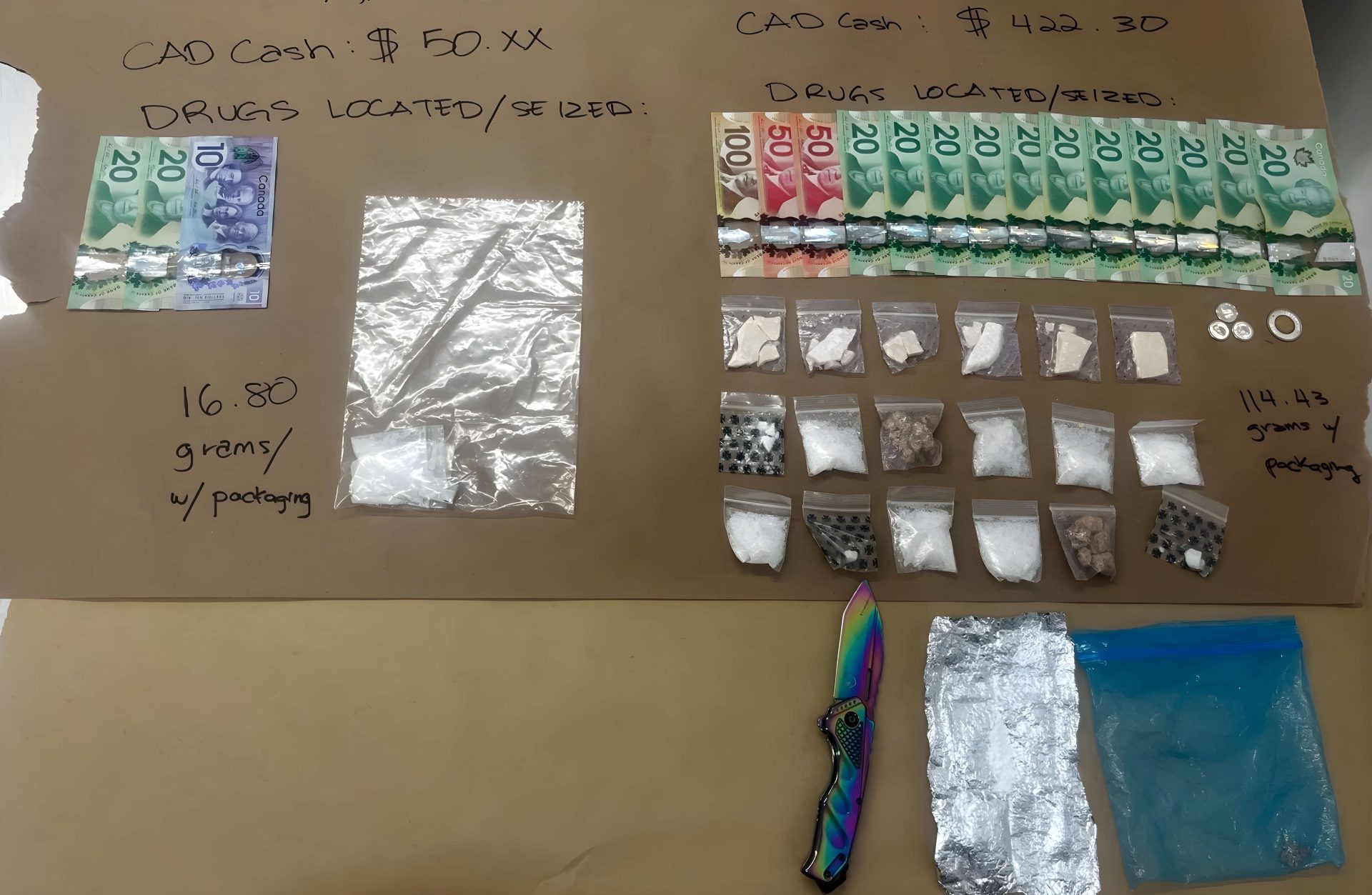
The department had posted photos showing seized drugs and cash across its social media platforms. However, instead of focusing on the bust itself, many viewers noticed something unusual in the images: a visible label suggesting the pictures had been created or altered using AI tools. That detail sparked criticism online, with users questioning why law enforcement would use artificial intelligence to present evidence-related material to the public.
The controversy grew because the items shown in the images appeared relatively small in scale, leading some critics to accuse the department of trying to make the seizure look more impressive than it was. Others focused on the broader concern: whether police agencies should be using AI-edited visuals at all when communicating with the public about arrests, seizures, or criminal investigations.
In response to the backlash, Vancouver police said that software had been used to edit out the names of the accused. However, that explanation did not satisfy many observers. Some pointed out that the edits seemed to go beyond simple redactions. In the original images, certain cash denominations appeared inconsistent, including bills that seemed to be mislabeled, further fueling suspicion that the photos had been more heavily altered than the department initially suggested.
The department later removed the earlier posts and uploaded new versions of the images without the “made with AI” label. Even so, the replacement photos did little to fully calm public criticism. For many people, the issue was no longer just about one label on one image. It had become a question of credibility.
The incident highlights a growing problem for public institutions in the age of artificial intelligence. AI editing tools are now widely available and easy to use, but their use in official communications can create confusion if not clearly disclosed. When police departments, government agencies, or other authorities publish altered images, even for routine purposes, audiences may begin to question what is real, what has been modified, and why.
Public reaction to the Vancouver incident also reflects a broader fatigue with AI-generated and AI-enhanced content. Many internet users are becoming more skeptical of visuals that look polished, exaggerated, or artificial. In marketing and media, companies have increasingly experimented with AI-created content, but consumer enthusiasm remains limited. Recent survey data has suggested that only a minority of consumers feel positively about AI-generated promotional material.
For law enforcement, the stakes are even higher. Police departments rely heavily on public confidence, and visual evidence plays an important role in how cases and operations are communicated. If the public believes images are being artificially enhanced, even slightly, it can damage trust and raise doubts about the accuracy of official statements.
The Vancouver Police Department’s AI photo controversy serves as a reminder that using artificial intelligence in public messaging requires caution. Editing out private information may be necessary, but agencies need to be transparent about what has been changed and why. Otherwise, a simple social media post can quickly become a public relations problem.
As AI tools become more common, the expectation for honesty and clarity will only grow. For public agencies, the lesson is simple: if artificial intelligence is used to modify official images, disclose it clearly, use it responsibly, and never let the editing overshadow the facts.


