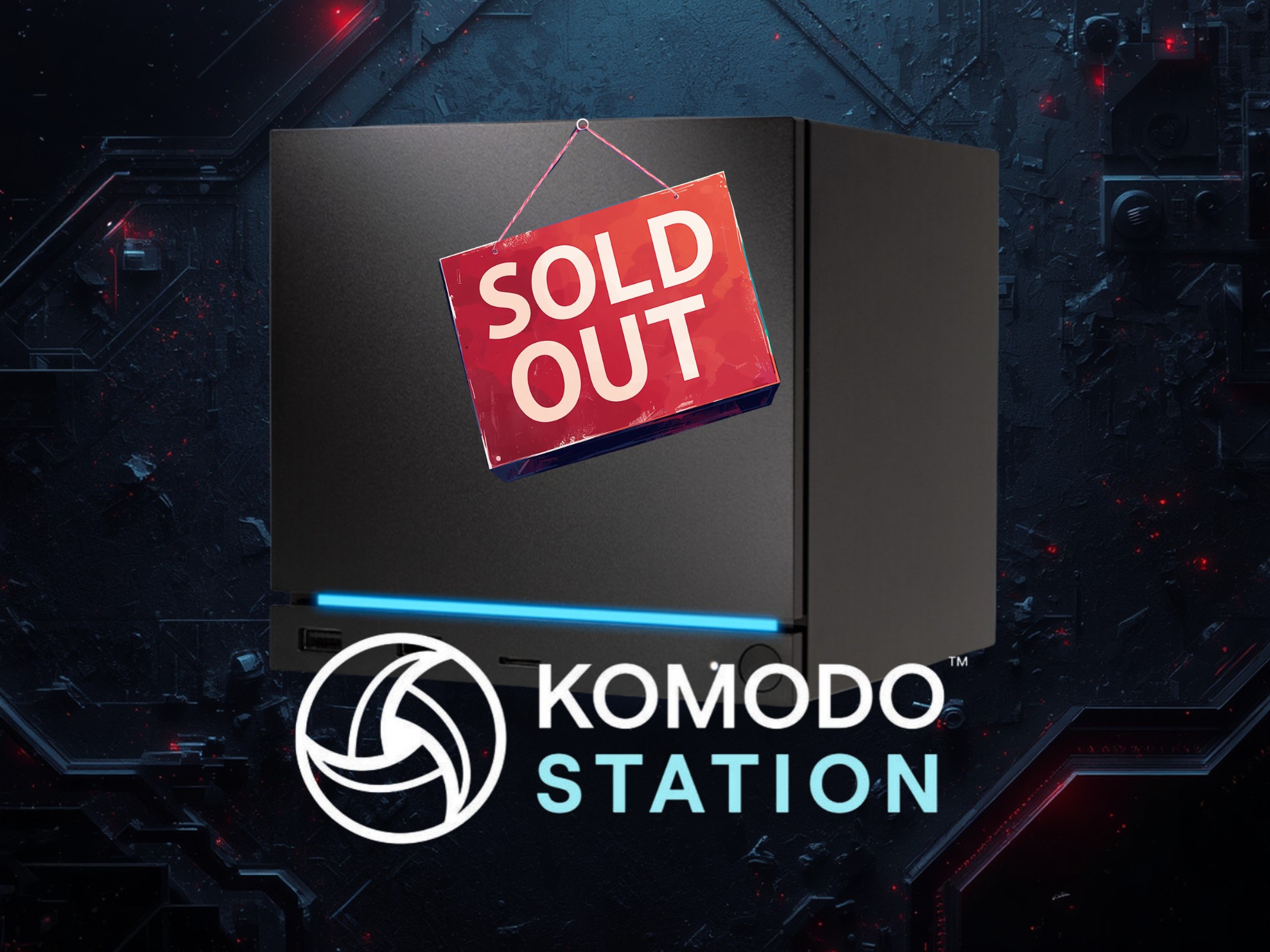
Valve Steam Machine Sells Out in Asia Despite High Price and Mixed Reactions
Valve’s new Steam Machine has already sparked a major debate over pricing, performance, and value. While many gamers reacted negatively to its high cost, early demand in parts of Asia tells a different story. In Japan and Taiwan, the Linux-based mini gaming PC sold out shortly after going live through Komodo Station, the Valve-affiliated retailer serving several Asian markets.
The fast sellout is especially notable because the Steam Machine has been criticized as expensive compared with traditional consoles and even custom-built gaming PCs. Still, the initial launch in Asia suggests that a portion of the market sees Valve’s compact SteamOS-powered system as appealing enough to buy immediately.
Stock disappeared almost immediately after launch
Unlike other regions, where Valve is expected to use a reservation queue system, Komodo Station did not offer the same pre-order structure before release. Instead, the Steam Machine suddenly became available for purchase on June 22.
Soon after the storefront updated, customers reported that all available stock had already vanished. The quick sellout frustrated many would-be buyers, with some criticizing the retailer’s handling of the launch through social media. Without a clear reservation process, customers had little warning and even less time to secure a unit.
The situation has raised questions about whether demand was stronger than expected or whether the retailer simply had very limited launch inventory. Either way, the result was the same: the Steam Machine sold out quickly in Japan and Taiwan, despite widespread concerns about its price.
Steam Machine pricing in Japan is far from cheap
The Steam Machine’s price has been one of the biggest talking points since its reveal. In Japan, the 512GB model without a controller is priced at 189,980 yen, while the higher-end 2TB version costs 264,980 yen. That roughly converts to about $1,176 for the entry model and around $1,640 for the 2TB configuration.
At first glance, those prices appear noticeably higher than what buyers in the United States are expected to pay. However, pricing comparisons between regions can be misleading because Japanese and Taiwanese retail prices often include taxes. Once tax differences are considered, the final cost may be closer to other markets than it initially appears.
Even so, the Steam Machine remains an expensive device. Its compact design, SteamOS integration, and PC-like flexibility may appeal to dedicated Steam users, but many gamers are questioning whether it offers enough value compared with cheaper console options.
How does it compare with a custom gaming PC?
One of the biggest challenges facing the Steam Machine is the comparison with self-built gaming PCs. In Japan, one user put together a parts list for a custom system featuring an AMD Ryzen 7 7800X3D processor, an RX 9060 XT graphics card, and storage and memory similar to the 2TB Steam Machine configuration.
According to that comparison, the custom PC would cost around $93 less while including some stronger components. That makes the Steam Machine harder to justify for PC enthusiasts who are comfortable building their own systems.
However, Valve’s device is not necessarily aimed only at traditional PC builders. Its biggest selling point is convenience. The Steam Machine is designed as a compact, living-room-friendly gaming system that runs SteamOS and offers a more console-like experience. For users who want access to their Steam library without assembling a PC, the extra cost may be easier to accept.
The PS5 comparison remains difficult for Valve
The Steam Machine also faces tough competition from Sony’s PlayStation 5. In performance comparisons, the PS5 has been shown to outperform Valve’s device in several games. That puts pressure on the Steam Machine, especially because the digital slim version of the PS5 costs significantly less.
With the PS5 digital model priced at around $599, it is far cheaper than the Steam Machine’s expected entry-level price of about $1,049 in the United States. For gamers focused mainly on performance per dollar, Sony’s console may look like the better deal.
Valve’s system, however, offers a different kind of appeal. It provides access to the Steam ecosystem, PC game sales, mod support in compatible games, and a more open platform than traditional consoles. Those advantages may help explain why buyers in Asia moved quickly despite the premium price.
North America and Europe may avoid the same launch frustration
The chaotic sellout through Komodo Station may not repeat in every region. In North America and Europe, Valve is expected to use a reservation system that contacts registered buyers with purchase links when stock becomes available.
That approach should make the buying process more orderly and reduce the frustration seen in Japan and Taiwan. It may also give Valve a better way to manage demand if launch supplies are limited.
For now, the Steam Machine’s early Asian sellout shows that interest in Valve’s console-style gaming PC is real, even with its controversial price. Whether that demand continues after the initial launch rush will depend on availability, reviews, performance updates, and whether gamers decide SteamOS convenience is worth the premium.