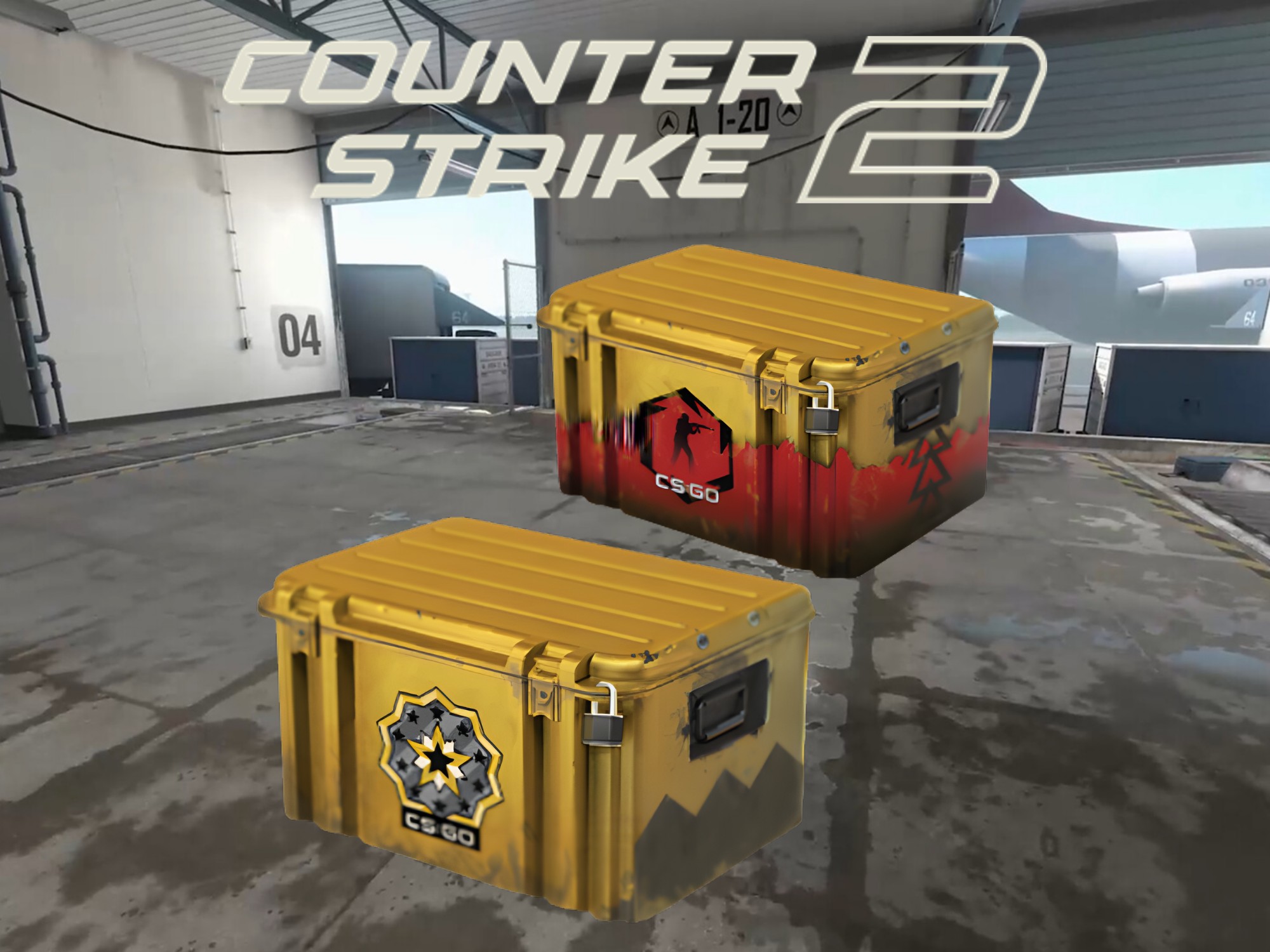
Courts around the world are still wrestling with a big question in modern gaming: when do loot boxes cross the line into gambling? Now that debate has landed in New York, where a new lawsuit is taking direct aim at Valve over paid cosmetic systems tied to some of the most-played games on Steam, including Counter-Strike 2 and Dota 2.
New York Attorney General Letitia James alleges that Valve’s loot box-style mechanics break multiple state laws and are especially damaging to younger players. While New York generally prohibits gambling—with limited exceptions that allow tightly regulated sports betting—the lawsuit argues that similar consumer protections don’t exist for gamers facing the pull of randomized in-game rewards.
The complaint focuses heavily on Counter-Strike 2, a free-to-play shooter where players can buy cases in hopes of landing rare weapon skins and other cosmetics. To open those cases, players also need keys, which can be purchased quickly and conveniently in-game. The lawsuit argues that the odds of getting high-demand items are low, and that repeated losses can trigger a dangerous cycle: disappointment, chasing the next opening, and eventually compulsive spending. In the Attorney General’s view, that pattern can contribute to addiction-like behavior and, for some players, significant debt.
A central concern in the case is the impact on minors. The lawsuit points to research suggesting that children and teens are particularly vulnerable to chasing rare cosmetic items. It also raises the issue of unauthorized spending, alleging that some minors may use parents’ credit cards or bank cards without consent to keep purchasing loot boxes or the items needed to open them.
Dota 2 is also mentioned as part of the broader discussion, with the argument that some games are more up-front about box contents and winning odds than others. The broader message from the state is clear: transparency and safeguards matter, especially when real money is involved and the audience includes kids.
If New York succeeds, Valve could be required to provide restitution to affected players and could face substantial financial penalties. The lawsuit also fits into a growing trend of legal and regulatory pressure on gaming companies over monetization practices that critics say exploit player psychology. Past cases in the industry have resulted in major settlements tied to allegations of abusive or unfair systems, signaling that regulators are increasingly willing to intervene.
Meanwhile, the industry-wide argument over whether loot boxes qualify as gambling keeps intensifying. Publishers often claim that loot boxes differ from traditional gambling because players always receive something, even if it’s low value. Another common defense is that the rewards have no “real-world” value because they’re digital items tied to a game. Critics counter that players frequently treat these cosmetics as valuable—especially when they can be bought and sold through various marketplaces—making the distinction far less clear in practice.
As the case moves forward, it could shape how loot boxes and paid randomized cosmetics are treated not just in New York, but in other regions watching closely. For players and parents, it’s another reminder that in-game purchases can carry real financial risks, particularly when chance-based rewards are designed to keep people spending.