The U.S. Department of the Treasury has shed light on the substantial financial commitment it has made towards electric vehicle subsidies throughout the year. The figures indicate that nearly $200 million is being channeled into EV tax credits each month. This initiative is part of the current administration’s efforts under the Inflation Reduction Act to incentivize the adoption of cleaner, more sustainable transportation options.
Remarkably, since January, American consumers have been beneficiaries of approximately $2 billion in subsidies. This financial relief, referred to as “upfront savings” by the Treasury, comes as part of an inventive approach where dealers directly apply tax credit deductions to the retail price of electric vehicles. As Treasury Secretary Janet Yellen explains, the administration’s act is effectively reducing the initial costs of purchasing electric and plug-in hybrid vehicles.
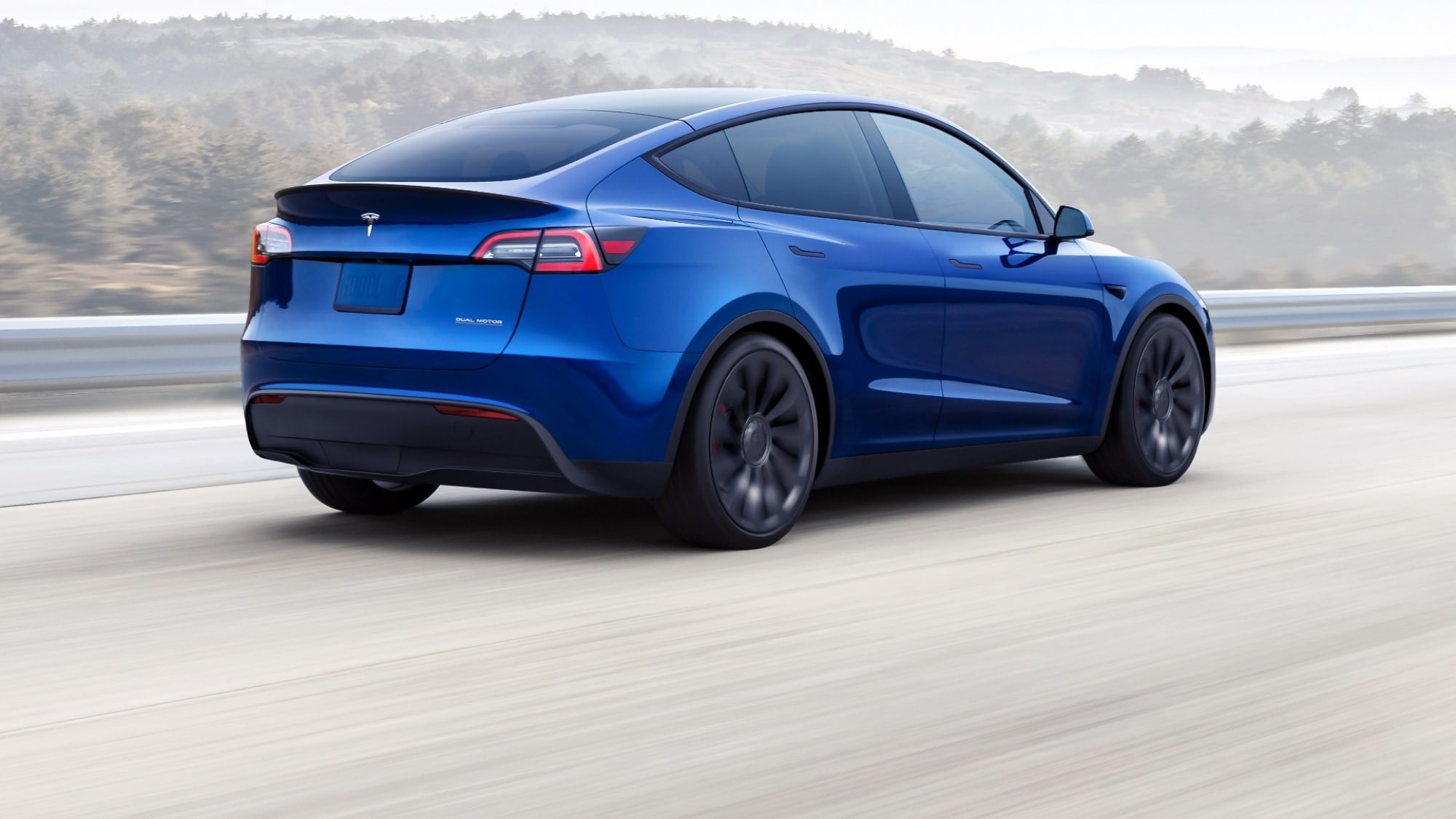
This $2 billion in savings has been distributed across 250,000 new clean vehicles and 50,000 used electric cars. Each new vehicle receives a generous $7,500 federal tax credit, while used ones benefit from a $4,000 subsidy. Despite Elon Musk’s assertion that Tesla’s sales strategies do not rely on these tax credits, it’s noteworthy that Tesla’s recently discontinued Model 3 could not qualify for such incentives. Additionally, the popular Model Y SUV’s competitive pricing is significantly enhanced by the $7,500 government contribution, aligning it more closely with traditional gasoline-powered cars in terms of affordability.
The federal EV tax credit program is slated to continue until 2032, promising to allocate countless billions more towards boosting the electric vehicle market. With a wide array of electric car models and new battery manufacturing facilities anticipated to qualify for these subsidies, the future of electric transportation looks promising.
During this period, Tesla is poised to emerge as a leading beneficiary, potentially securing around $41 billion from government programs through the various aspects of its business. This includes leveraging credits across its vehicle production, advanced battery technology, expansive Supercharger network, and energy storage solutions. As the U.S. advances further into an era of increased electric vehicle adoption, the impact of these subsidies is expected to evolve, fostering growth and innovation within the automotive industry.