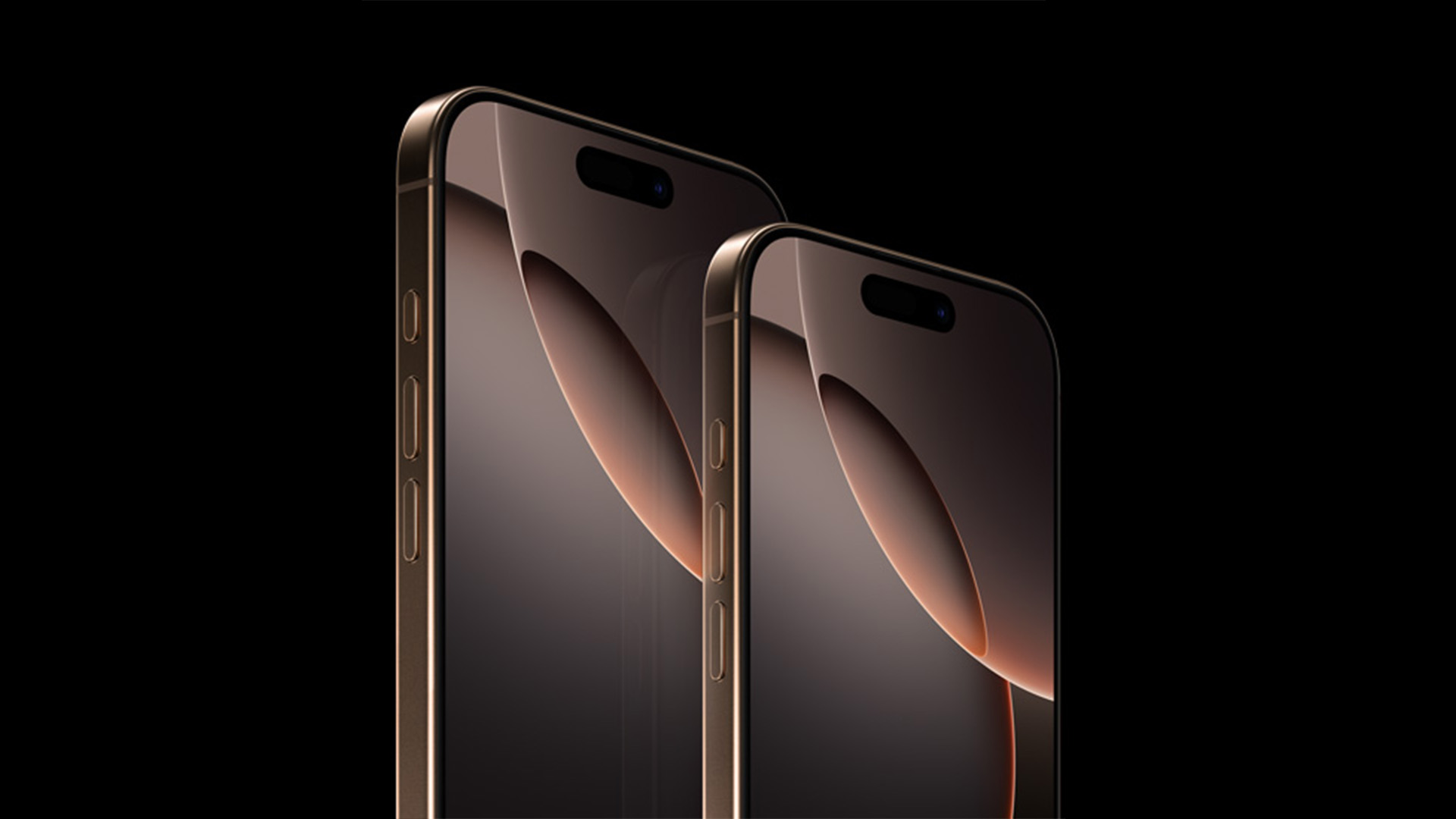
This year has been a bit of a roller coaster for Apple as pre-orders for the iPhone 16 series seem to have fallen short of expectations. The buzz, notably around the ‘Pro’ models, hasn’t matched up to last year’s excitement for the iPhone 15 Pro and iPhone 15 Pro Max, seeing a notable 12.7 percent decline in pre-sales. Interestingly, the iPhone 16 Plus stands out as a beacon of success, managing to achieve a 48 percent increase in pre-orders over its predecessor, the iPhone 15 Plus.
Diving into the reasons behind this lukewarm reception, it seems the lack of significant design changes might be a key factor. Although Apple has addressed various feedback on the previous models with the iPhone 16, the internal tweaks don’t seem to justify the upgrade for many. Additionally, Apple’s much-talked-about AI feature set, dubbed ‘Apple Intelligence,’ has yet to make a splash, though its future release is anticipated to potentially shake things up in the tech world.
In terms of numbers, analysts predict that Apple will move about 76 million iPhones in the last quarter of 2024. Statements from JP Morgan analysts reveal a “more muted momentum” for early orders, particularly impacting the iPhone 16 Pro models. It appears that Apple’s preparation of 17 million units for pre-order may have been a bit optimistic in light of the lukewarm response, possibly due to the absence of AI features.
‘Apple Intelligence’ is anticipated to play a significant role once it goes live, yet it seems to be a lower priority for consumers right now, ranking sixth in reasons to upgrade. Moreover, its initial release being limited to English could be a hindrance for international customers, though Apple is likely to expand language support over time.
Looking ahead, Apple is expected to ship a total of 148 million iPhones over the next year. While some suggest holding off for the iPhone 17 set to release in 2025, those looking to upgrade this year still have ample reasons to find joy in Apple’s current lineup. The tech giant still has a strong foothold with its latest innovations, even if some consumers are holding out for what’s next.


