The U.S. Department of the Treasury has released significant figures revealing the substantial investment the government has made in electric vehicle (EV) subsidies this year. Initially estimated to be around $200 million a month, the actual expenditure has amounted to a whopping $2 billion so far. This initiative comes under the White House administration’s Inflation Reduction Act, aimed at making electric and plug-in hybrid vehicles more accessible to American consumers by offering enticing “upfront savings.”
Treasury Secretary Janet Yellen explains that the Inflation Reduction Act is effectively reducing initial costs for consumers purchasing electric vehicles, a move that has saved Americans over $2 billion since January. Impressively, these savings have been realized across 250,000 new clean vehicles, which benefit from $7,500 in federal tax credits each, and an additional 50,000 used cars receiving a $4,000 subsidy.
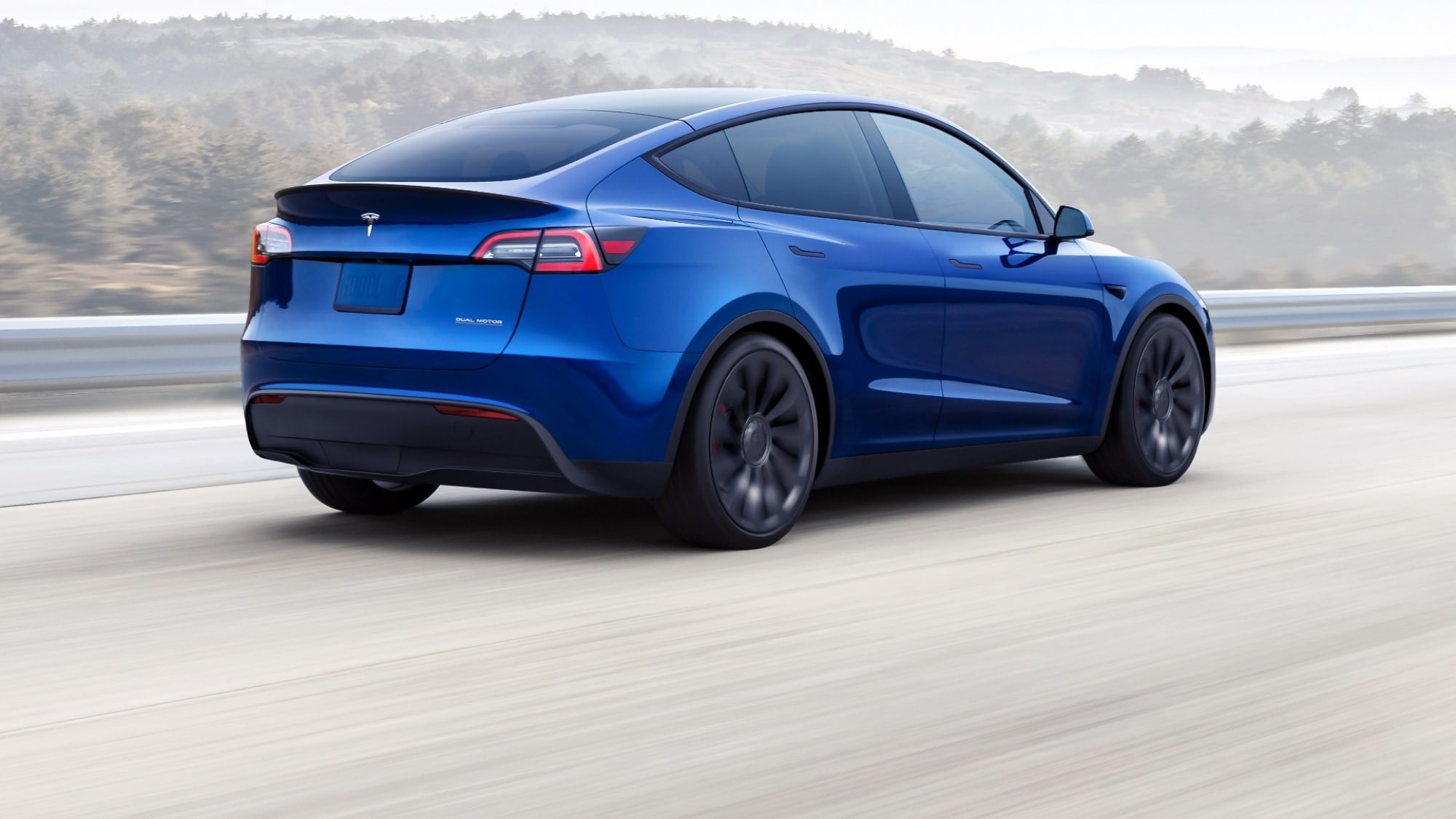
Despite Elon Musk’s assertions that Tesla does not require these tax credits to boost sales, the company did modify its offerings when its least expensive Model 3 was excluded from the subsidy. Moreover, the significant sales figures of Tesla’s Model Y SUV were undoubtedly bolstered by the $7,500 tax credit, aligning its price more closely with that of conventional gas-powered vehicles.
Scheduled to run until 2032, the federal EV tax credit program has a potentially massive fiscal trajectory. It aims to support a wide array of electric car models and battery factories on U.S. soil, which are anticipated to qualify for significant government subsidies in the coming years. Notably, Tesla stands to emerge as the largest beneficiary of this program. Between its electric vehicles, 4680 battery technology, Supercharger network, and energy storage operations, Tesla is projected to receive at least $41 billion in benefits from the government for the duration of the subsidy initiative.
This financial backing is a part of the broader drive to foster a more sustainable automotive industry while providing consumers with more affordable eco-friendly vehicle options. The program promises to shape the future landscape of transportation in the United States significantly.