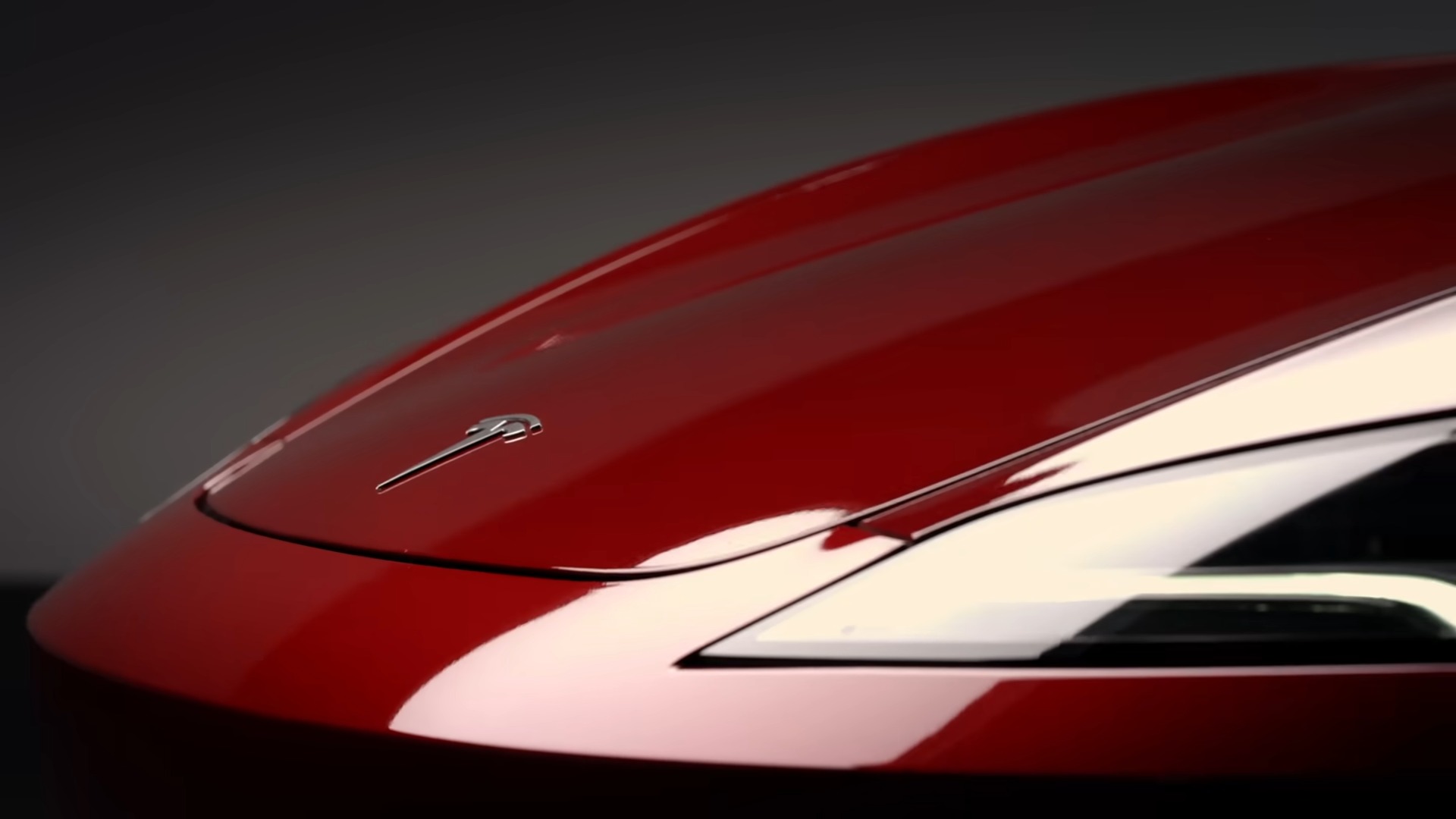
The Tesla Model Y, a popular SUV, has seen a surprising twist in pricing when compared to the Model 3 Highland sedan. This change is primarily due to the percentage of American-made parts in each vehicle, a key factor in qualifying for federal electric vehicle (EV) tax credits.
The National Highway Traffic Safety Administration (NHTSA) explained why the 2024 Model 3 Highland does not qualify for the $7,500 new EV tax credit, despite having been eligible in the previous year. According to the stipulations set forth in the Inflation Reduction Act (IRA), which are implemented under the guidance of the Treasury outlined in December, many new requirements must be met for electric vehicles to qualify for the tax credit.
Notably, vehicles must not use battery packs with cells produced or assembled by a “foreign entity of concern,” which includes any entity from China, the world’s largest exporter of EV batteries. Additionally, 60% of the battery pack must be manufactured or assembled in North America, and 50% of the critical minerals in the battery cells must be sourced from the United States.
During the initial year of the IRA, the thresholds were lower, allowing all Tesla vehicles to be eligible for the tax credit due to a shared proportion of American-made components across Tesla’s range. However, under the current guidelines, the Model 3 Highland falls short of this benchmark with merely 35% of the Long Range version and 40% of the base RWD’s components originating from North America. This is starkly contrasted by the 65% North American componentry in the Cybertruck and 70% in the Model Y.
To regain eligibility for the tax credit, Tesla would need to shift towards producing LFP (lithium iron phosphate) cells within the US or its free-trade partner countries using locally sourced materials. Tesla is taking steps toward this goal by establishing a lithium refinery on the Gulf Coast and considering the setup of a US-based LFP battery production line with technology from CATL.
As Tesla proceeds with this transition, the reliance on Chinese-imported batteries for the Model 3 continues. Consequently, the pricing of the Model Y, which utilizes American-made batteries, remains unusually competitive compared to the Highland model.
For those looking to add Tesla accessories to their home charging setup, the 80A Tesla Gen 2 Wall Connector with a 24-foot cable is a notable option and is available for purchase on Amazon.
The Model 3’s discrepancy in the share of North American components has impacted its tax credit eligibility, affecting its market positioning. As the industry continues to evolve with strict local sourcing requirements, consumers and automakers alike are adapting to new pricing dynamics and manufacturing strategies.