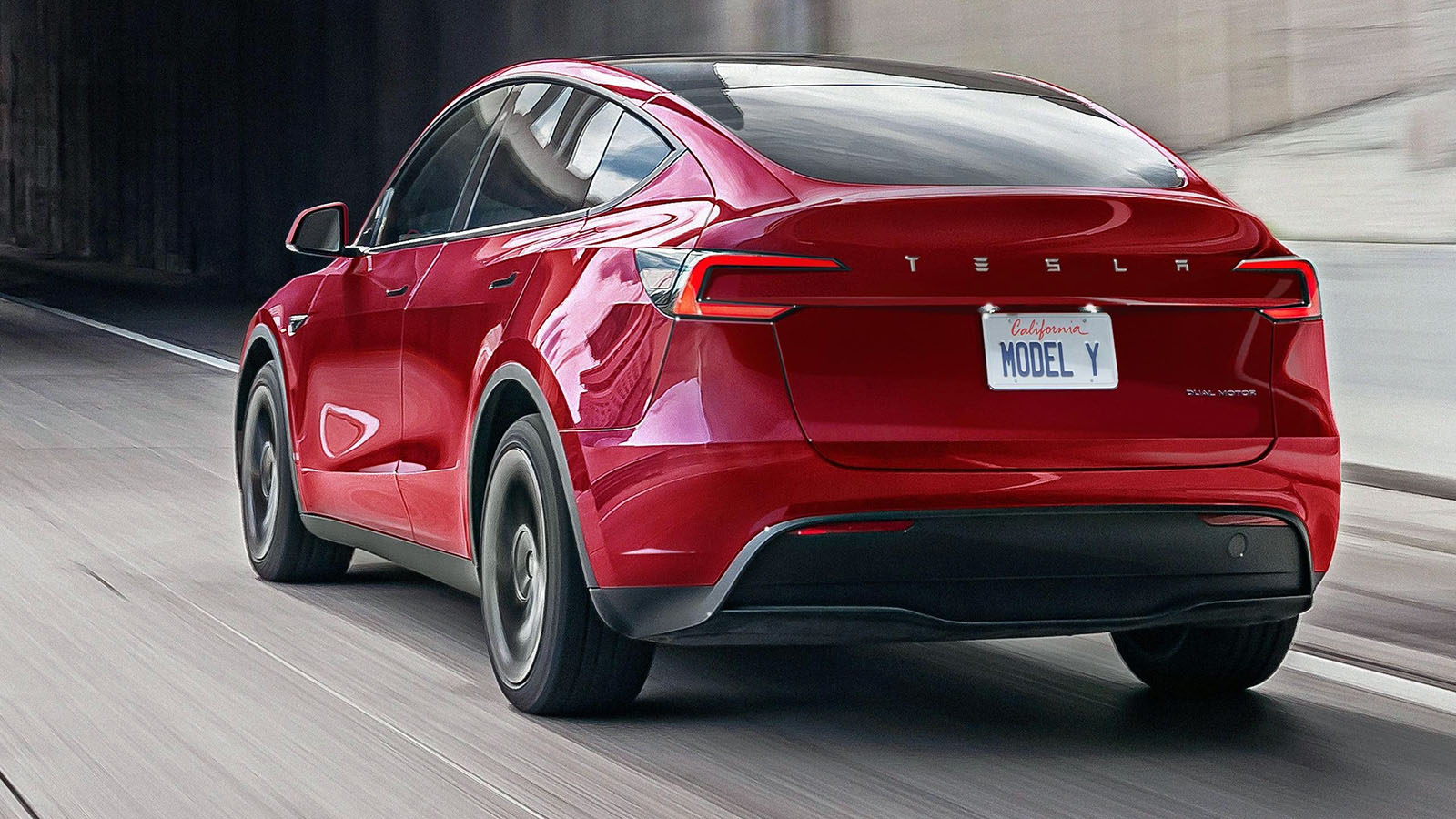
The Tesla Model Y, a front-runner in the company’s lineup of electric vehicles, continues to generate buzz with the potential of an upcoming upgrade, referred to by many as the Tesla Model Y Juniper. This anticipated enhancement has sparked curiosity and speculation amongst enthusiasts and industry watchers.
Tesla’s CEO, Elon Musk, recently shed light on the brand’s upgrade philosophy, emphasizing that the company opts for an ongoing improvement strategy rather than sticking to traditional model years. This information suggests that significant updates, such as those expected for the Model Y Juniper, may not occur as frequently or predictably as some might expect. Musk pointed out that the current Model Y stays ahead of the game by continuously incorporating new features and refinements, with newer versions of the car offering slight improvements over their predecessors.
The Model Y, standing tall as Tesla’s best-selling vehicle, benefits from a strategic approach that seems to prioritize iterative enhancement over major facelifts. The need for extensive overhauls seems less pressing when considering Tesla’s current challenge of managing new project launches, specifically the impending introduction of the Cybertruck and the refreshed Model 3—particularly amid a general slowdown in electric vehicle sales.
Ongoing tweaks have kept Tesla’s popular Model Y in a favorable spot, with the Chinese Model Y already sporting a revamped interior and enhanced ambient LED lighting. Furthermore, updates including fresh paint options, new wheel designs, and the inclusion of Hardware 4.0 components have been gradually rolled out with newer vehicle batches.
Speculation surrounding the specifics of the Model Y Juniper points to improvements paralleling those seen in the recent Model 3 upgrade, unofficially known as the Model 3 Highland. Predictions lean towards a more streamlined aesthetic, advanced lighting systems, an updated Hardware 4.0 computer with superior imaging capabilities, and a cleaner, minimalist interior design.
Nevertheless, Tesla faces a strategic puzzle involving battery technology, a crucial factor in maintaining the Model Y’s competitive pricing and eligibility for subsidies, including federal and state tax credits. To preserve these advantages within the U.S., Tesla must escalate the production of their 4680 batteries, which promise higher energy density and charging efficiency. Potential challenges may arise as efforts to scale up battery production could interfere with the production momentum of other Tesla initiatives, such as the Cybertruck.
In markets outside of North America, particularly in China and Europe, Tesla is considering the adoption of advanced phosphate battery technology from suppliers like CATL or BYD. If Tesla takes this route, the company could offer the Model Y at an attractive price point while still delivering strong performance.
The discussion about a significant factory retooling at the Shanghai Gigafactory for the Model Y facelift has been calmed, with a likely postponement until 2025. As a result, customers and fans might anticipate a potential release of the Model Y Juniper around July of that year. This timeline gives Tesla ample opportunity to leverage advancements from its upcoming next-generation Robotaxi, which could lead to reduced production costs for the Model Y.
Individuals interested in integrating Tesla’s technology into their homes can explore options like the 80A Tesla Gen 2 Wall Connector, compatible with a 24-foot cable available from various retailers. This charging solution offers convenience and practicality for current Tesla vehicle owners.
While the Tesla Model Y continues its evolution, both potential buyers and enthusiasts might find it beneficial to remain informed about the vehicle’s ongoing upgrades. Staying updated on these enhancements helps one make a more educated choice when considering a Tesla vehicle, especially in the dynamic and ever-progressing arena of electric automobiles.