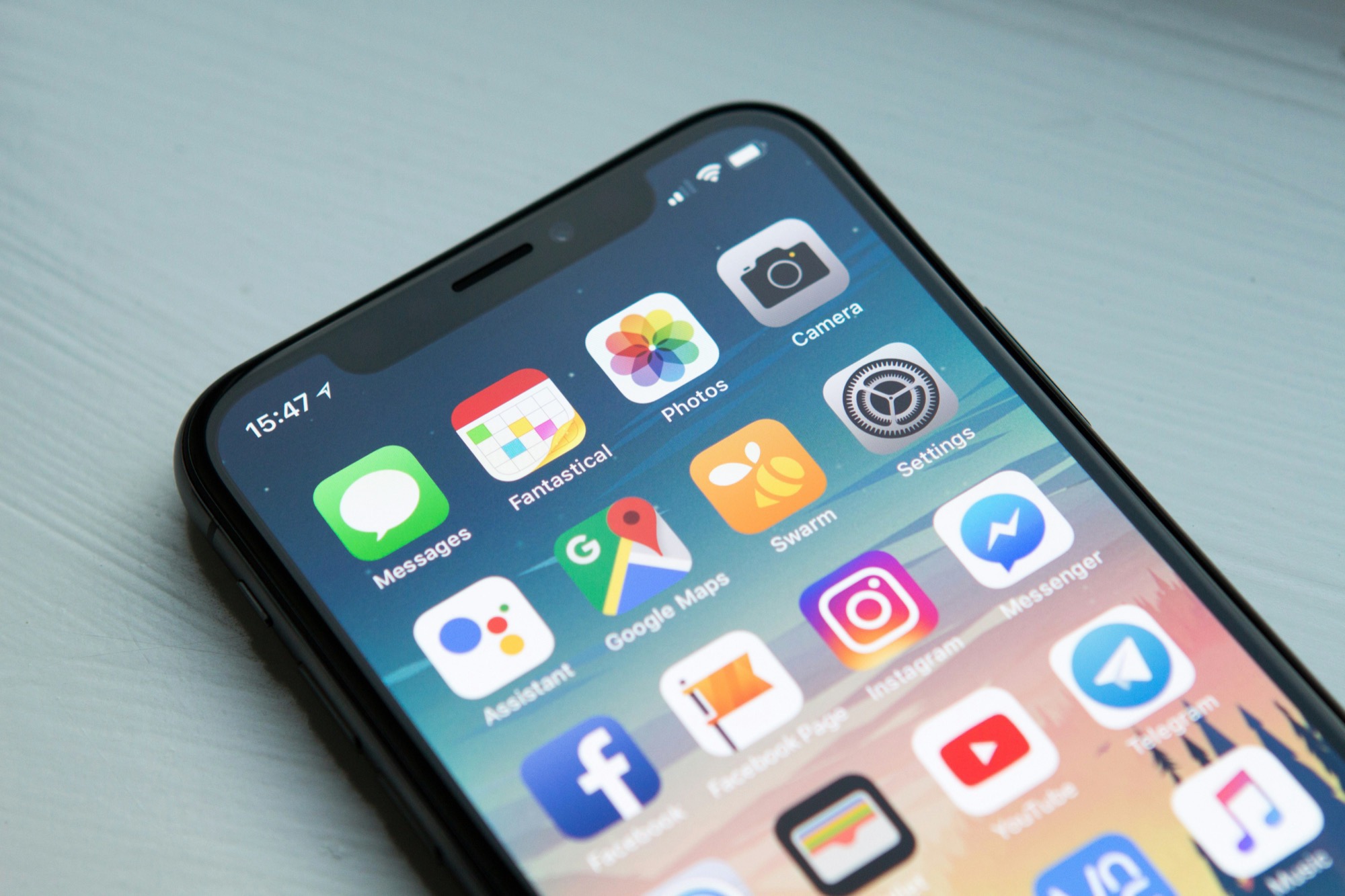
Apple iPhone users are set to confront significant alterations to the functionalities of web apps. Starting in March, while the Apple iPhone introduces pathways to alternative app stores and new browser engines, it will simultaneously remove the capability for users to employ progressive web apps (PWAs). This strategic move is perceived as a means for Apple to ensure they can impose a fee for each app downloaded, a decision that is controversially attributed to the mandates of the EU’s Digital Markets Act.
The Digital Markets Act by the EU is a regulatory framework that compels Apple to permit alternatives to its App Store and native WebKit browser engine on the iPhone. The anticipated modification in March will also bring a new “Core Technology Fee,” set at EUR 0.50 per app installation. The fee is expected to affect both free and low-cost apps, triggering dissatisfaction among the developer community.
Through a recent developer FAQ update, Apple announced that with the forthcoming iOS 17.4 update, progressive web apps will lose their traditional functionality. Websites previously capable of operating as PWAs could be added directly to an iPhone’s home screen. This allowed them to function similarly to native apps, with capabilities like storing data locally, sending notifications, and displaying a badge for unread messages. However, post-update, users will be constrained to merely adding bookmarks to their home screen instead of full-fledged PWAs. Notably, some developers have historically leveraged PWAs to sidestep Apple’s fees, and others have found them a practical alternative to developing a dedicated iOS app.
Apple has expressed concerns that the EU’s imposed changes would introduce security risks, particularly in relation to PWAs. The company suggests that without the ability to regulate these apps, it would be difficult to stop unauthorized access to sensitive components like cameras, microphones, and location data, or to manage permission inheritance that might allow a PWA to read data from other web apps. Nevertheless, as Android has accommodated PWAs with various browser engines for several years, there is skepticism towards Apple’s motivations, with conjecture that the move may be an attempt to preclude developers from avoiding new fees imposed under the EU’s regulations.
This information has stirred discussions about the evolving landscape of mobile apps and the tug-of-war between platform providers and regulations affecting developers and users alike. As the situation evolves, stakeholders in the app development industry, as well as iPhone users, will be closely monitoring the real-world impact of these upcoming changes.
If you find this development intriguing and would like others to know about it, please share the information with your network. Every share contributes to a broader dialogue on this pivotal tech development.


