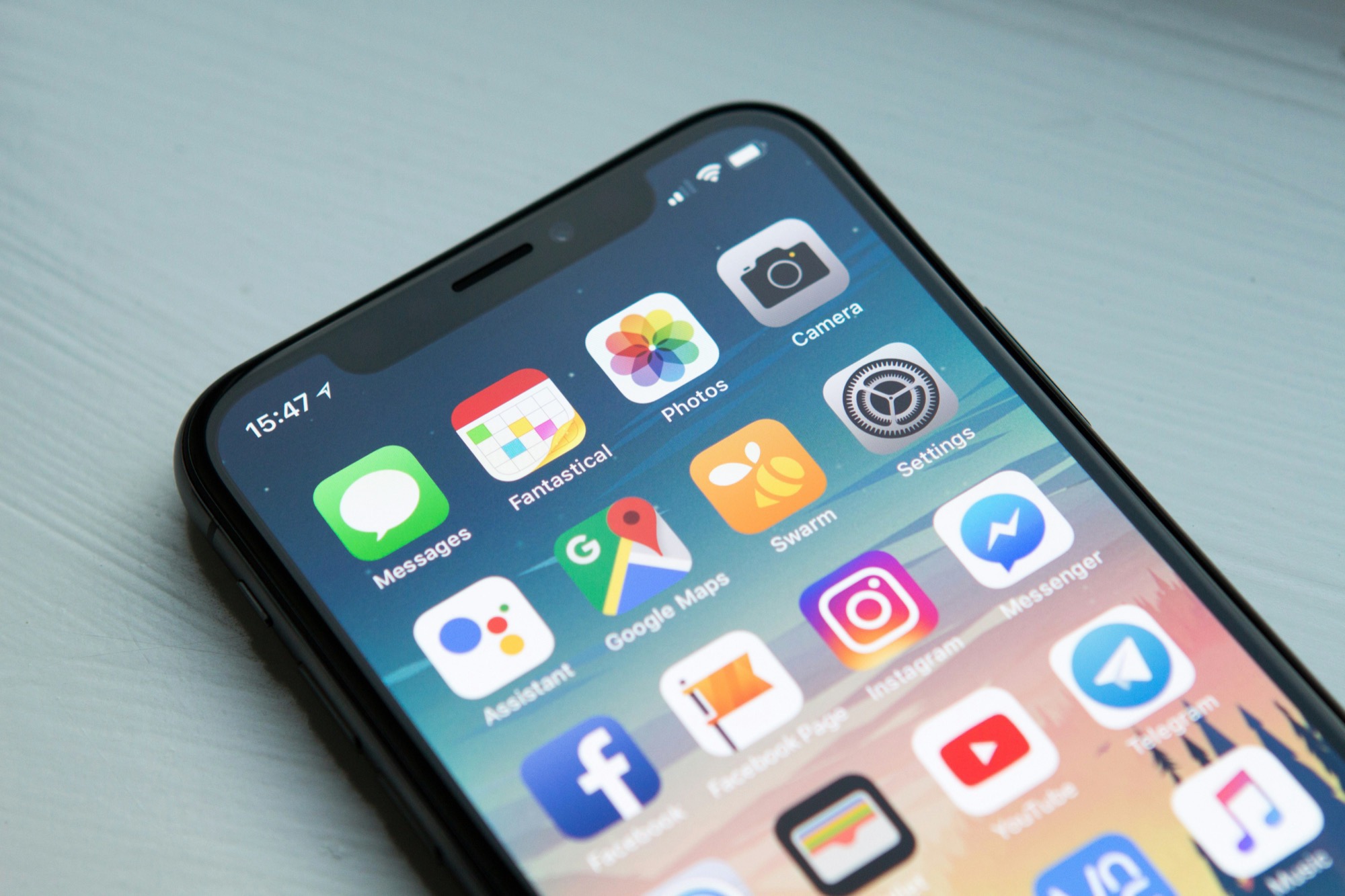
Apple’s iPhone is facing significant alterations to its app functionalities. The tech giant is restricting the capabilities of progressive web apps (PWAs) on its devices, citing consequences stemming from the European Union’s new Digital Markets Act.

Apple is confronting upcoming regulatory changes that compel the company to open up the iPhone to alternative app stores and rival browser engines. In response, starting in March, iPhone users will experience a notable shift: the disablement of PWAs, which have previously been a method for developers to circumvent App Store fees. PWAs are web applications with enhanced capabilities that work offline and can be added to the home screen, enabling functionalities like local data storage, notifications, and activity counters.
With the introduction of iOS 17.4, Apple is altering the way PWAs operate on the iPhone. No longer will websites designed to work as PWAs be able to be saved to the home screen with their full functionalities. Instead, users will only be able to add bookmarks to their home screen. This move targets platforms like Facebook Gaming and other developers who have leveraged PWAs to avoid the costs associated with the App Store or the intricacies of creating native iOS apps.
Apple has cited security concerns associated with the EU’s regulations as the reason for disabling PWA functionalities. According to the company, these changes could potentially allow PWAs to access sensitive components like cameras, microphones, and location data without proper user consent, violating privacy and security standards.
However, these claims have opened up debates as Android devices have been supporting PWAs with various browser engines without presenting such security risks for years. Questions arise whether Apple’s stance is instead influenced by a desire to prevent developers from bypassing the newly introduced “Core Technology Fee” of EUR 0.50 per installation, which will apply even to free and low-cost apps.
The upcoming policy changes reflect the tech landscape’s ever-evolving dynamic with regulatory bodies and have sparked widespread discussions within the developer community. As the situation develops, industry participants and consumers alike are keeping a close eye on how these transformations will shape the app ecosystem on iOS devices.
Please share our article; every interaction helps!


