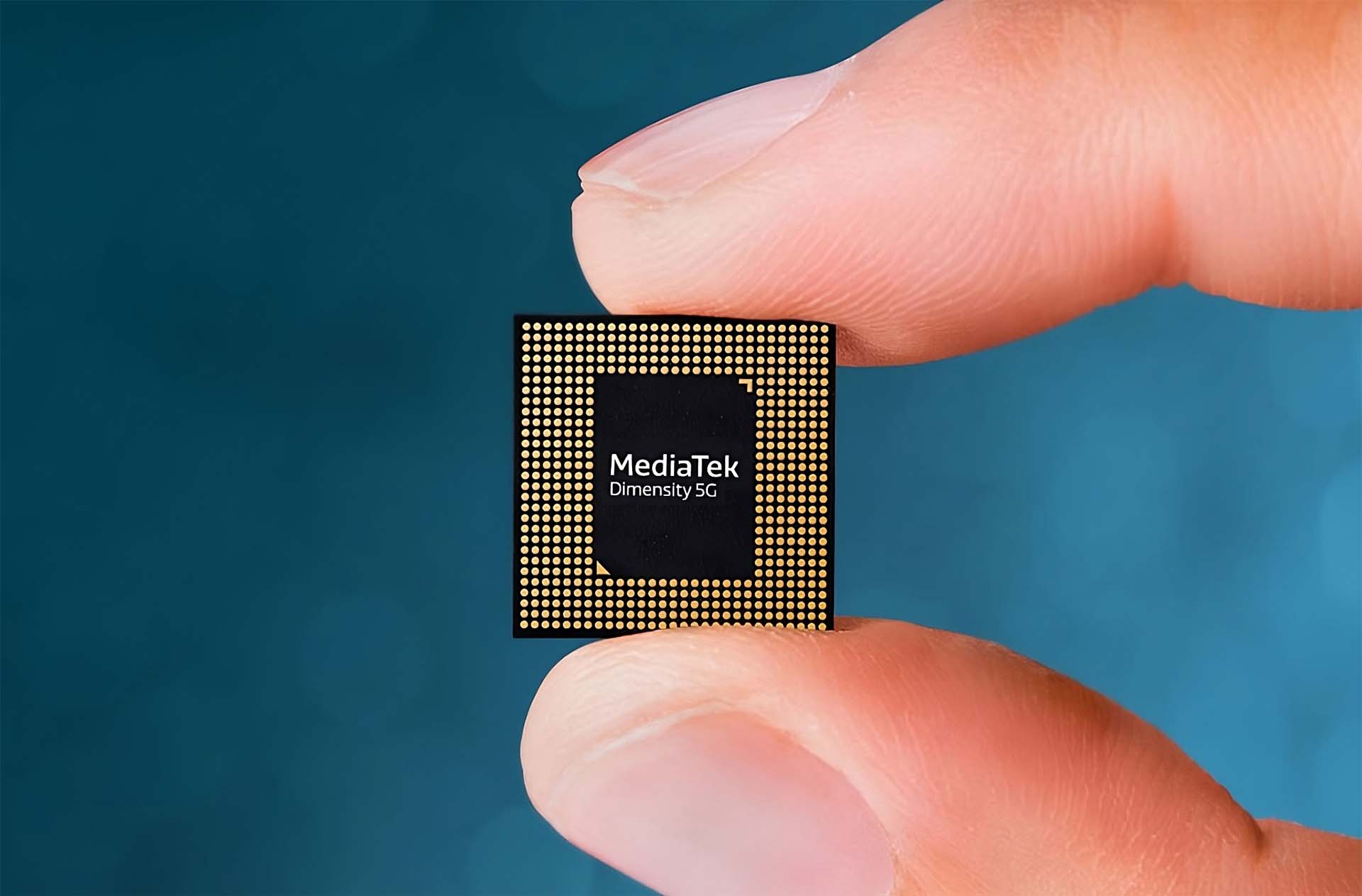
MediaTek is reportedly pushing the envelope with its upcoming chipset, the Dimensity 9400, which is anticipated to break new grounds in the realm of smartphone technology. According to circulating rumors, the new system-on-chip (SoC) is expected to boast the largest die size ever seen in a smartphone chip, surpassing competitors in physical dimensions and complexity with an astonishing count of over 30 billion transistors—32 percent more than its predecessor, the Dimensity 9300.
Why Bigger Could Mean Better
The impressive 150mm² estimated die size of the Dimensity 9400 could be likened to those found in certain desktop graphics processors. For comparison, it’s interesting to note that NVIDIA’s GT 1030 GPU measures 74mm², while its GTX 1650 model has a die size of around 200mm². The implications of such a sizable die are significant for a smartphone SoC; it enables MediaTek to incorporate more transistors, which can potentially lead to increased processing power, a larger cache, and an enhanced Neural Processing Unit (NPU) for more sophisticated AI capabilities.
This step up in hardware might translate into an improved user experience, from faster app loading times and more efficient multitasking, to advanced computational photography and creative artificial intelligence applications that are increasingly prevalent in modern smartphones.
Potential Trade-Offs and Breakthrough Performance
Naturally, there is a trade-off to be addressed, with increased costs likely arising due to both the size of the die and the use of the advanced 3nm ‘N3E’ manufacturing process from TSMC. Yet, the enhanced die size is not without its upside. Rumors hint at a 20 percent enhancement in both performance and efficiency of the GPU which, if true, could challenge even the likes of the Snapdragon 8 Gen 4—a noteworthy feat in the competitive market of mobile processors.
It’s also promising to hear that the improved GPU could offer more energy-efficient operation, a vital consideration in the age of battery-conscious consumers. These developments could position the Dimensity 9400 as a frontrunner for high-end smartphones seeking a blend of power and efficiency.
Addressing Potential Challenges
MediaTek may also be seeking to respond to previously reported challenges related to overheating and increased power consumption. It’s speculated that these were initially linked to ARM’s Cortex-X5 core but may have been mitigated by adjustments to the die size—though official confirmation on this matter remains pending. The potential fixes not only speak to MediaTek’s commitment to innovation but also to the industry’s broader goal of continually enhancing chip performance while managing thermal and power constraints.
Looking to the Horizon
As we look forward to seeing MediaTek’s Dimensity 9400 in action later this year, consumers and tech enthusiasts alike could be on the verge of experiencing a new era in smartphone computing. Combining a larger die size with cutting-edge manufacturing processes sets the stage for potentially groundbreaking performance improvements and efficiency gains. And while maintaining a balance between cost and technological advancement is always a delicate dance, MediaTek’s bold strides may well redefine what is possible within the confines of our handheld devices.
Engagement with the latest advancements in smartphone technology such as the Dimensity 9400 has far-reaching implications, offering potential benefits not just for personal use, but also for professional applications where powerful mobile computing can make a significant impact. As we await further updates and comparisons, the promise of heightened competition should invigorate the industry and deliver richer, more capable experiences to users across the globe.