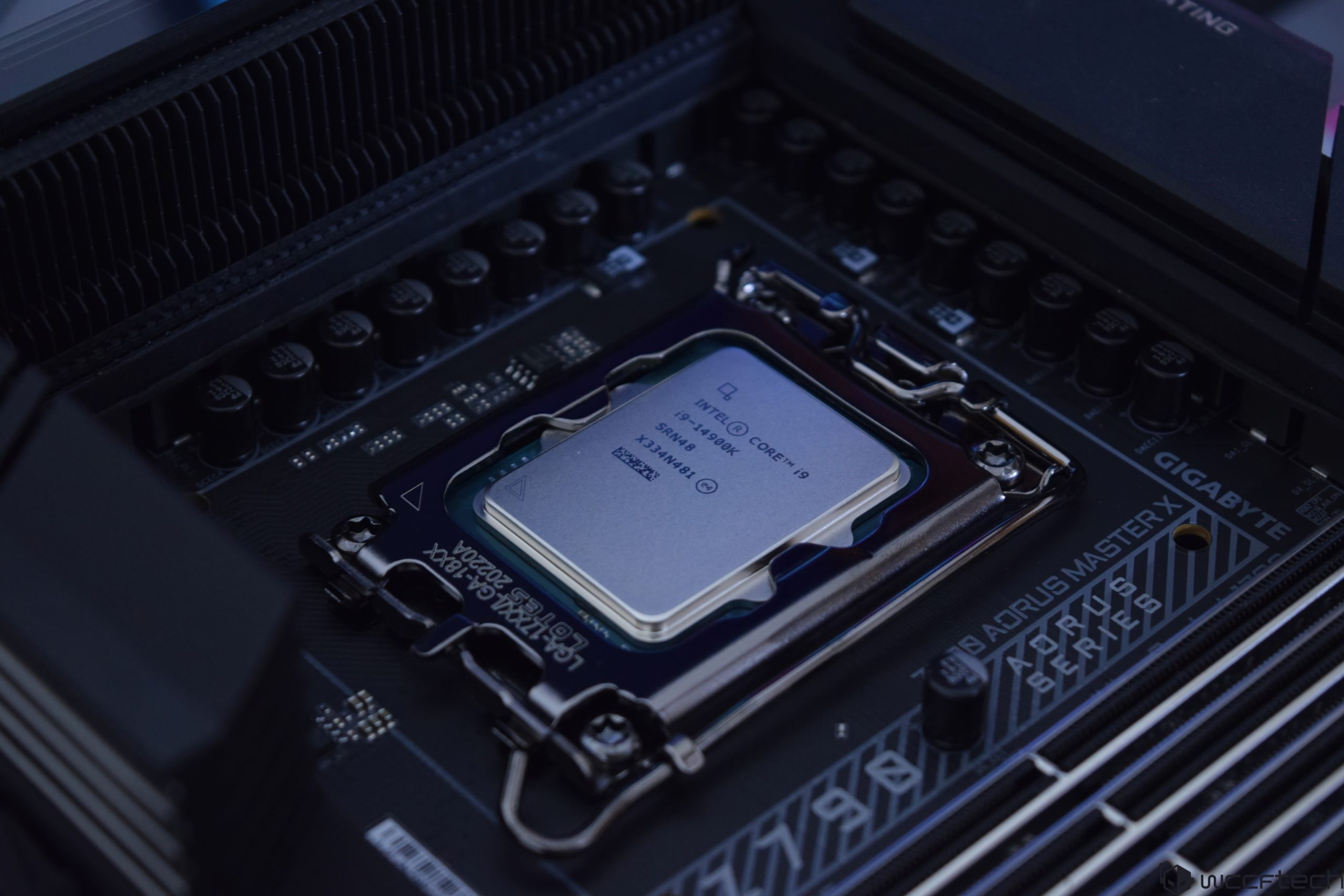
## Intel’s 13th and 14th Gen CPUs Plagued by Gaming Stability Issues
Recent reports have emerged concerning Intel’s 13th and 14th generation CPUs, particularly focusing on stability issues during gaming. This has apparently become so disruptive that a significant number of gamers are opting to return their processors out of sheer frustration. It seems that gaming instability is an unexpectedly common gripe among those using these latest CPU offerings from Intel.
### The Onset of Stability Concerns
Problems with stability for Intel’s newest CPUs were first noted around the time of their release. Initial discussions and complaints about gaming performance issues surfaced on various online forums and discussion boards dedicated to gaming. Early adopters of the 13th Gen chips began experiencing problems only a few months after their release, despite a lack of definitive evidence pointing to the root cause.
### Uncovering the Issue
As the 14th Gen CPUs entered the market, the instability issues became even more apparent, especially with the higher-end models. This prompted an examination into whether these concerns were software or hardware-related. The ensuing analysis suggested that the issues were a combination of both: CPUs being pushed to their limits and motherboard BIOS settings exacerbating the situation by driving the processors even harder.
### The Core i9 Conundrum
The Core i9 CPUs from the 13th and 14th Generations are known for their ambitious clock speeds and high power consumption. However, the intense stress they undergo often leads to throttling, causing their performance to fall short of the advertised speeds. The excessive voltage and power inputs not only hamper performance but also run the risk of silicon degradation over time.
For those experiencing crashes or the inability to run games smoothly, including the “Out of Video Memory” error in titles primarily running on Unreal Engine, the advice has been to underclock or undervolt the CPU for improved stability. However, this form of tinkering may not be feasible for everyone, leaving many disappointed with their high-end purchases.
### The Impact on Gaming Communities
The situation has been particularly pronounced in South Korea, where it’s reported that over ten gamers a day are returning an Intel 13th or 14th Gen CPU or related PC due to these gaming performance issues. This flurry of returns has started to introduce challenges for OEMs and PC manufacturers.
### Intel’s Acknowledgment
Intel has recognized the issue and is actively investigating it. However, there’s a growing concern among consumers that the company’s actions might be coming too late, as returns are ramping up, and alternatives, such as AMD Ryzen processors, are being considered by disgruntled users.
### Guidance for Gamers
Until Intel resolves these stability issues, it might be wiser for gamers to opt for more stable CPU models like the Core i5 and Core i7, or explore other brands. Despite the higher-end Core i9 processors being marketed as the top choice for gaming, their current performance issues are making them a hard sell.
### Conclusion
For gamers looking for a reliable experience, the current trend indicates a preference for processors that balance performance with stability. It will be interesting to see how Intel addresses these concerns and whether the affected CPU models can reclaim their intended reputation as the premier gaming processors.