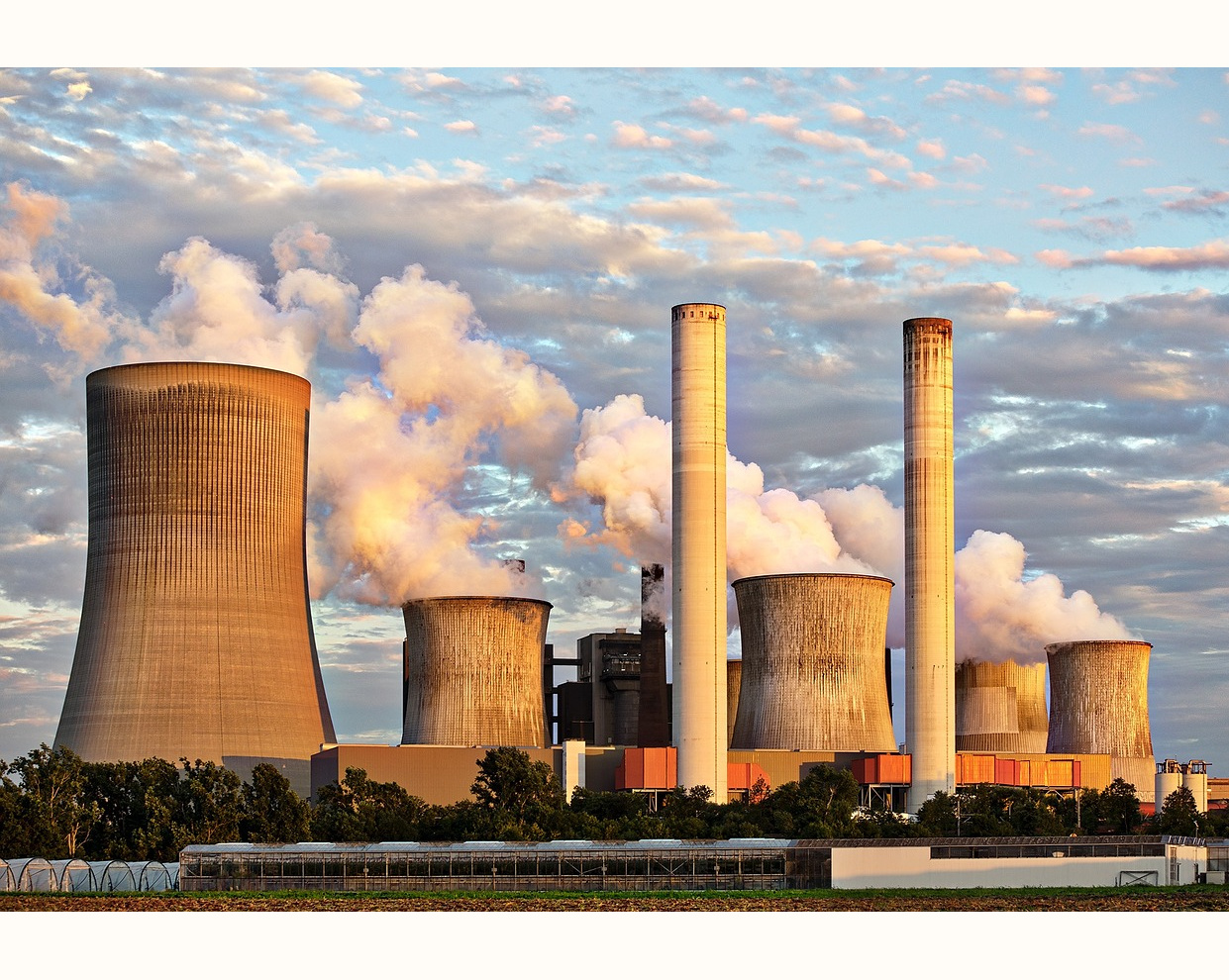
In a dramatic turn of events, Germany has managed to register a record-low level in CO2 emissions, indicating promising progress in the battle against climate change. Recent data from the Federal Environment Agency reveals a notable drop in greenhouse gas emissions, marking the most considerable decrease since the fall of the Berlin Wall in 1990.
The country’s emission levels have plummeted by an impressive 76 million tonnes in 2023, which corresponds to an average reduction of one tonne of CO2 per citizen when compared to the previous year. This substantial 10.1% reduction originates primarily from the energy sector and industries shifting their focus towards renewable energy sources, coupled with a lowered demand for energy from both businesses and consumers.
Despite these advancements, some areas like the buildings and transport sectors have lagged in meeting their climate objectives. Particularly, the transport sector has exceeded its allotted carbon budget by 13 million tonnes. Factors contributing to this overrun include an increase in car usage, the affordability of air travel, and ongoing issues within the rail system.
Looking at the energy sector, there is a remarkable 20.1% diminution in emissions, mainly attributed to the reduced consumption of fossil fuels for generating electricity and heating. The industry sector paints a similar picture, with a dip of approximately 7.7% in emissions, as operations increasingly turn away from natural gas and hard coal.
This transformation comes as a response to the geopolitical tensions following the war in Ukraine. Concerns had been mounting that these conflicts might trigger a resurgence of dependency on coal and other non-renewable energy sources. However, the expansion of renewable energy practices has disproved those fears. UBA President Dirk Messner highlights the significance of this progress in renewable energy development for future climate protection endeavors. Nevertheless, he emphasizes that while strides have been made, certain sectors like transport still require immediate and significant action. This can involve enhancing electric mobility and reviewing incentives such as company car privileges that currently impede ecological advancement.
To apply this information practically, industries and individuals alike can focus on increasing investments and interest in sustainable and renewable energy sources. Moreover, by choosing public transportation over private vehicles, advocating for improvements in public transit systems, and supporting policies that promote electric vehicles, everyone can contribute to a cleaner, greener future.