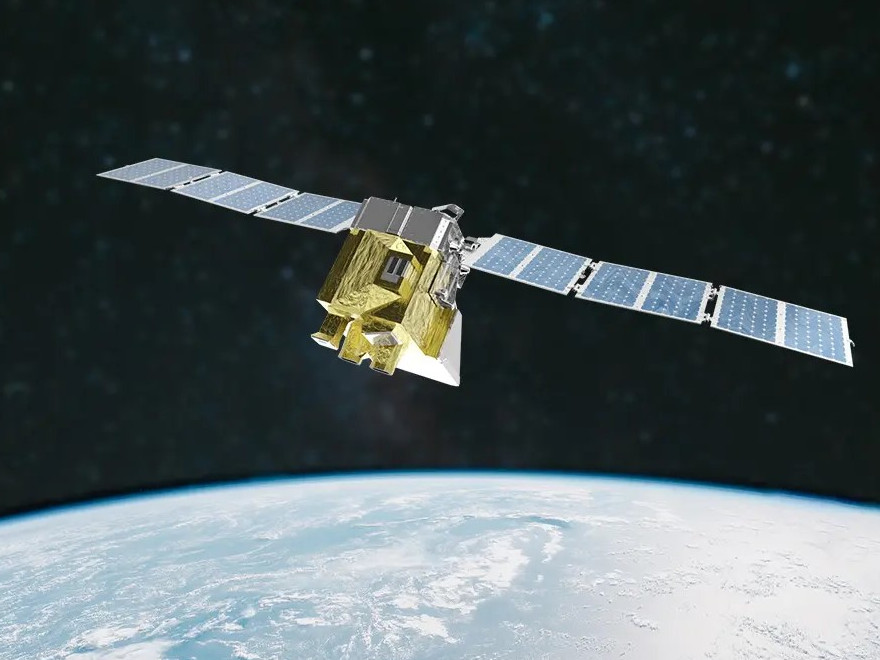
Methane, the simplest hydrocarbon, is responsible for nearly one-third of the current global warming. This gas is not only a byproduct of natural processes like the digestion in cows or the decomposition in forests but is also significantly emitted during oil and gas extraction activities, including leaks from pipelines and during test drilling operations. Currently, estimates of methane emission rates are somewhat imprecise, but an upcoming mission is set to change this.
The MethaneSAT satellite is scheduled to be launched into orbit from California on March 4, aiming to bring unprecedented precision to the monitoring of methane emissions. Equipped with advanced sensors, MethaneSAT will continually scan the planet, focusing particularly on areas relevant to the oil and gas industry. This mission is critical, as methane has a climate change impact eighty times that of CO2 over a 20-year period, making its accurate measurement a significant step towards understanding and mitigating environmental change.
The good news for climate change mitigation is that methane has a shorter lifespan in the atmosphere compared to CO2 – around 12 years. Therefore, swift and effective measures to curb methane emissions could lead to discernible improvements in atmospheric conditions before the century’s end.
The launch of MethaneSAT comes at an opportune time, aligning with heightened attention to methane’s impact on climate change. The development and construction of the satellite’s specialized instruments were years in the making, reflecting the complexity and importance of the mission.
Legislative actions are bolstering these scientific efforts, with recent initiatives such as the United States’ “Inflation Reduction Act” aiming for strategic reductions in methane emissions. Additionally, the European Union Commission laid out new rules in November 2023 to significantly cut methane emissions, setting a collaborative global goal of a 30% reduction by 2030.
MethaneSAT’s data will be instrumental in pinpointing where reduction efforts can be most effective, providing a crucial tool for governments and organizations worldwide to combat climate change by tackling methane emissions. The mission’s success could mark a turning point in global efforts to reduce greenhouse gases and protect the environment for future generations.


