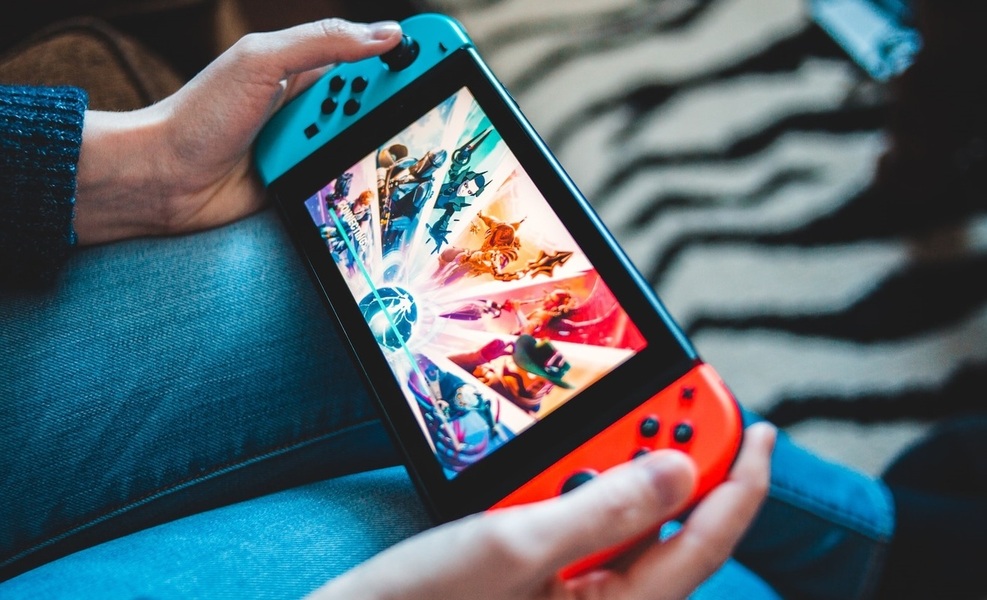
The gaming world is buzzing with anticipation for the Nintendo Switch 2, a topic surrounded by speculation and rumors. Based on insights from industry observers, the successor to the Nintendo Switch OLED may be poised to enter the market in the early half of 2025, potentially sporting a price tag of “499 or less.” This potential price marks a significant increase from the current Nintendo Switch OLED, which is priced at $348 from various retailers. The estimated cost of the Nintendo Switch 2 places it in the competitive landscape with the likes of the Valve Steam Deck and high-performance handheld consoles such as the Asus ROG Ally.
As gamers look forward to the Nintendo Switch 2, they are comparing it to the Valve Steam Deck, which has an entry price point of around $399, and the Asus ROG Ally, which can be found on deals for just under $500. These price points matter greatly as the Switch 2’s proposed value will have to offer unique selling points to justify its positioning in the market.
Performance comparisons have also become a topic of discussion. While there have been suggestions that the Nintendo Switch 2 could match the Valve Steam Deck in terms of gaming capabilities, other game consoles like the Asus ROG Ally have set a high bar. The Asus model, equipped with an AMD Ryzen Z1 Extreme processor, surpasses the Steam Deck’s performance in gaming workloads by an average of 30%. This detail signifies that if the Nintendo Switch 2 aims for a similar price range, its performance will be scrutinized in comparison to these existing devices.
Furthermore, leaked information posits that the Nintendo Switch 2 might be a fanless device, hinting at low power consumption and extended battery life—a feature that could distinguish the console and offer a competitive edge.
For the Nintendo Switch 2 to succeed at a higher price point, the key will be how its features and specifications stack up against the competition. Consumers will be evaluating the console’s performance, game library support, and unique characteristics like battery life to determine its value in the increasingly diverse handheld gaming market.
When discussing a high-profile gaming launch like that of the Nintendo Switch 2, it’s important to remember that the gaming experience is often about more than just raw power. Nintendo’s success with the original Switch was heavily influenced by its innovative design, versatility, and a strong lineup of exclusive titles. For the next iteration, similar aspects could play a significant role in its appeal to both loyal fans and newcomers.
In conclusion, potential buyers and gaming enthusiasts are keeping a close eye on how the proposed features and pricing of the Nintendo Switch 2 will match up to its competition. A strategic blend of performance, unique gaming experiences, and value for money will likely be critical factors in the console’s market performance upon its anticipated release in 2025.


