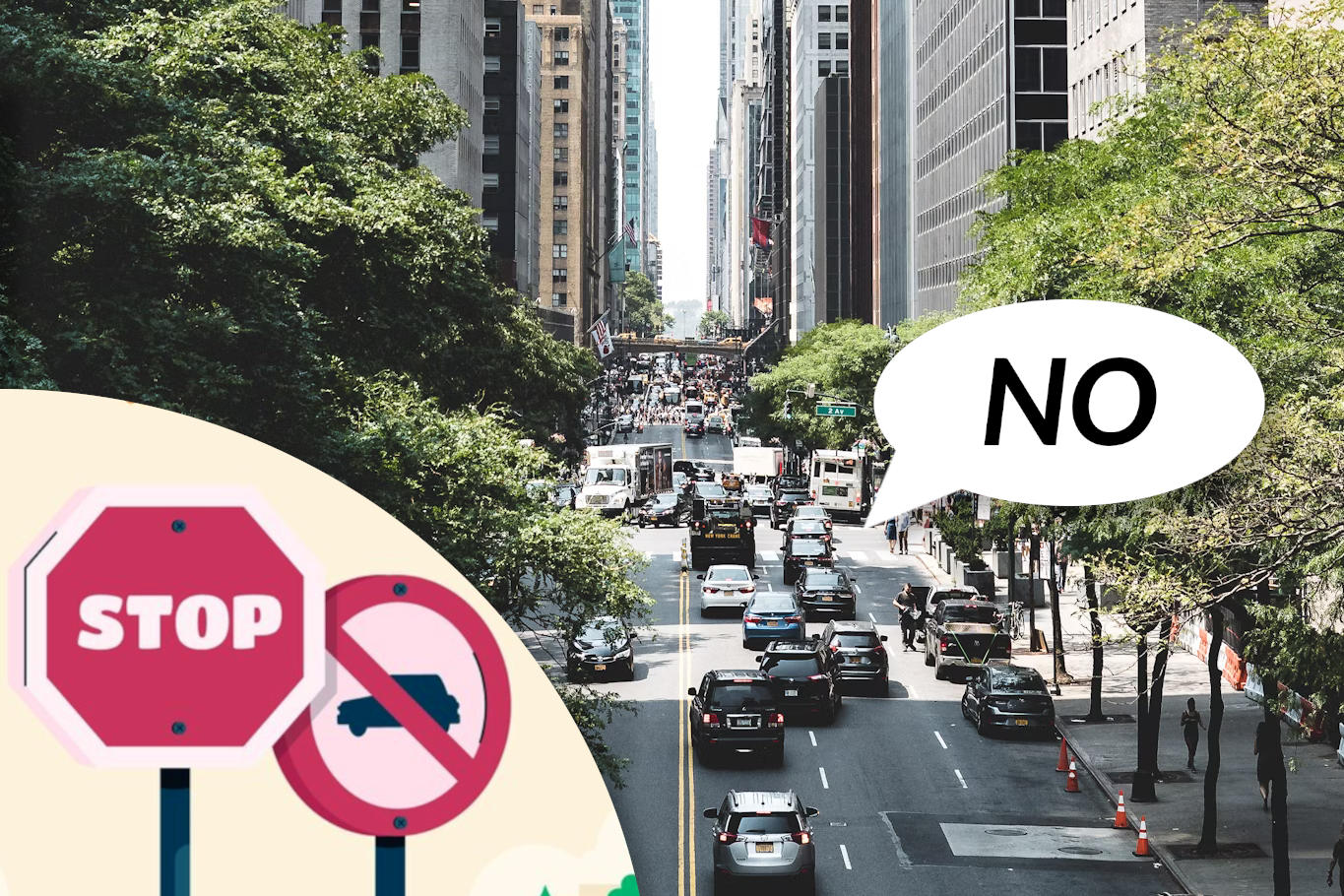
Despite the growing efforts to mitigate climate change through technology and policy reforms, there remain mixed sentiments about the increasing push towards electric vehicles (EVs). With significant steps taken globally to eliminate diesel and petrol-powered cars—such as the European Union’s initiative to transition away from combustion engines by 2035 and the United States’ plan to have a predominantly EV-driven landscape by 2030—the conversation is fraught with both optimism and resistance.
Electric vehicles are increasingly recognized as instrumental in reducing humanity’s environmental footprint. A pivotal study commissioned by an environmental advocacy group analyzed the effectiveness of various transportation approaches across cities like Brussels, Greater Manchester, Madrid, Milan, and Warsaw. The findings demonstrated that electrifying public and private transportation, coupled with the creation of emissions-free zones, could significantly drop pollution levels. This approach reportedly achieved comparable outcomes to methods promoting alternative transportation, such as investing in green public transit, cycling, and telecommuting.
Interestingly, in some urban areas like Greater Manchester, the switch to electric transport proved more advantageous than expected, trumping traditional initiatives such as encouraging cycling and the use of public transportation from both financial and environmental standpoints.
Despite the compelling evidence supporting the environmental benefits of EVs and combustion-engine bans, such measures face widespread opposition in many European urban centers. The same environmental advocacy group found that policies penalizing the use of conventional vehicles were generally unpopular among residents from countries like Germany, France, and Poland. The most resistance was directed towards outright bans on internal combustion engines, higher taxation on such vehicles, and restrictions on fossil fuels for residential heating.
In contrast, people seemed more amenable to policies introducing new subsidies, expanding green energy, and enhancing public transport systems. This highlights the challenge policymakers face in striking a balance between introducing climate-positive changes and catering to the public’s attachment to established conveniences and lifestyle choices.
As the global community grapples with climate change, it becomes clear that creative and multifaceted strategies are needed to align environmental imperatives with public acceptance. Understanding the complexities of transportation reforms is crucial for societal buy-in and the successful implementation of policies designed to secure a more sustainable future.
For those looking to contribute to a greener commute, exploring options like the latest technology in personal electric vehicles, such as high-performance e-bikes, can be a step towards a more eco-conscious lifestyle without compromising mobility and convenience. Whether it’s for a daily commute or leisure, the adoption of environmentally friendly alternatives to traditional combustion-engine vehicles is a proactive way to participate in the collective effort to curb emissions and combat climate change.