Despite the Toyota Prius Prime hybrid receiving accolades as the greenest car for its life cycle emissions, the company’s overall approach to climate change remains controversial. New research evaluating 15 leading car manufacturers has placed Toyota and other Japanese automotive brands unfavorably when it comes to climate-friendly policy adoptions. Toyota, Honda, Suzuki, and Mazda might hold the least percentage of electric vehicles (EVs) in their lineups by the year 2030.
The study, titled “Automakers and Climate Policy Advocacy,” also accuses these companies, particularly Toyota, of hindering the shift to EVs by actively lobbying against stringent emission regulations. The analysis calls out Toyota as the lowest-scoring company, citing its opposition to climate regulations that support the proliferation of battery electric vehicles in various regions such as the United States, Australia, and the United Kingdom.
Toyota, however, has defended its cautious stance on decarbonization in the transport sector, promoting a diversified mix of vehicles tailored to regional and customer needs. The company has argued that neither the infrastructure in developing nations nor consumers’ budgets can cope with the rapid transition to EV adoption that many climate policymakers are proposing.
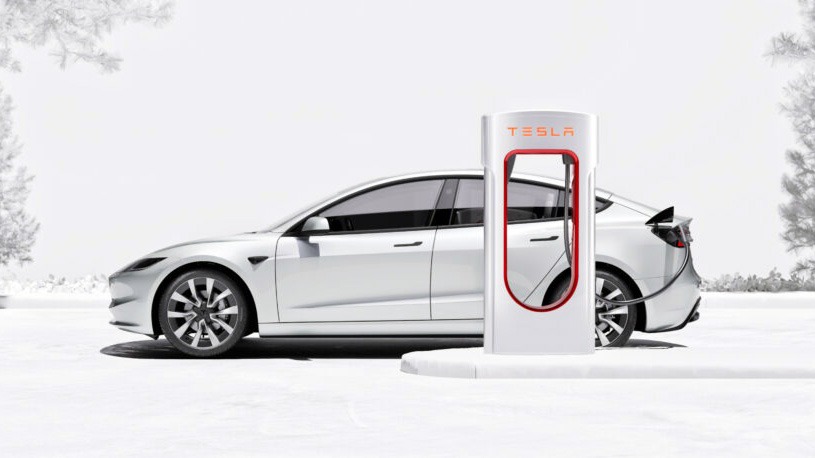
In stark contrast, Tesla, along with Mercedes and BMW, have been recognized for their efforts towards environmental sustainability. These manufacturers are on track to meet the International Energy Agency’s greenhouse gas emissions goals, seeking a hefty 66% combined share of EV and hybrid sales by 2030. Tesla stands out as the only automaker with a policy that doesn’t push back against emissions limitations.
While Tesla receives commendation for its climate advocacy, recent trends note a slowdown in the EV market’s growth, with Tesla’s expansion rate decreasing. Yet, Toyota’s hybrid sales have seen a surge, leading to a record-breaking quarterly profit of over $30 billion. Despite this financial success, Toyota projects a significant drop in annual profit due to substantial investments in future EV models and other “growth areas.”
The unfolding narrative of automotive giants responding to climate change is evolving, with Tesla and Mercedes leading in proactive environmental measures, while Toyota’s conservative approach—and its potential shift toward EVs—remains a story in development. As the industry anticipates what 2030 holds in terms of electrification, each company’s strategy will be critical in determining its role in a sustainable future.