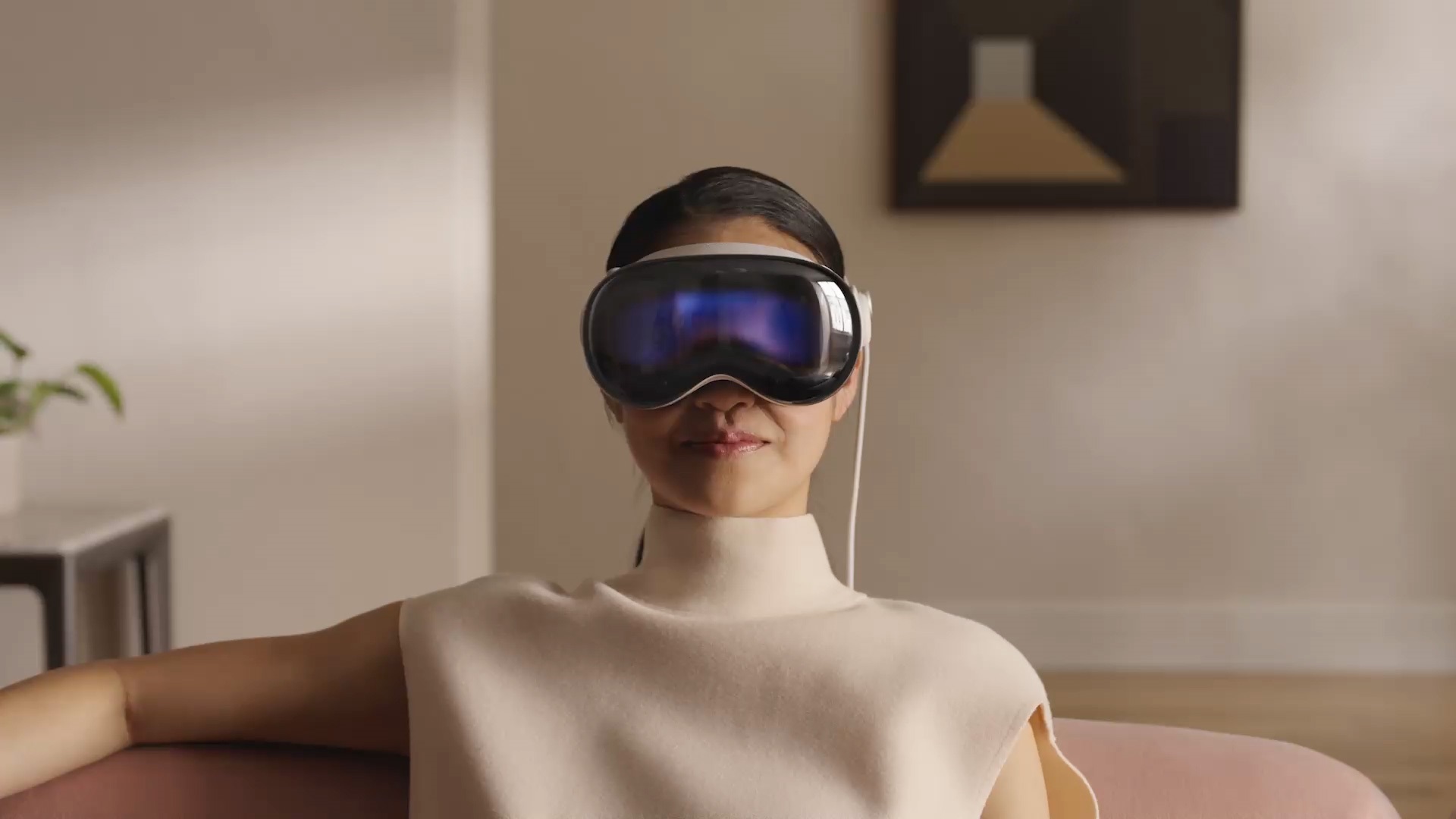
The technology world has been abuzz with the launch of the Apple Vision Pro, an augmented reality (AR) headset recognized as the second-most impressive product after the iPhone by industry leaders. Despite its premium pricing of $3,499, the headset has already seen significant success in the United States market. Nonetheless, Apple is looking to boost sales by tapping into overseas markets where virtual reality (VR) has gained a stronger foothold.
International interest in VR technologies is not a new phenomenon, with many regions embracing these immersive experiences for several years. The Apple Vision Pro, with its combination of VR and AR capabilities, has the potential to resonate with these communities due to its innovative approach.
One such promising market for the Vision Pro is Japan. Here, consumers have long shown an openness to new technology, which may contribute to the device’s positive reception. Ahead of its international rollout, Apple has begun extensive preparation, training retail employees worldwide on how to engage with customers effectively and provide them with a compelling introduction to the headset.
This global expansion is anticipated to follow shortly after the Worldwide Developers Conference (WWDC) in 2024, with an initial focus on seven countries, including China—a vital market for Apple. The company has also gained approval to sell the device in China, akin to securing FCC approval in the US.
Reports have suggested the first overseas markets will span various regions, touching down in China, South Korea, Japan, Hong Kong, Singapore, Canada, Australia, the UK, France, and Germany. Following WWDC in June, the rollout will kick off, giving these new markets access to the cutting-edge mixed-reality experience that combines elements of both VR and AR.
Despite the high price point, experts believe the Apple Vision Pro’s unique proposition and Apple’s brand strength could break through potential purchasing barriers in these new regions. However, to maintain growth in the segment, Apple acknowledges the need to reduce costs for future models. A second-generation Vision Pro isn’t expected until late 2026, and no clear solution to lower prices has been identified yet. Nevertheless, there is hope a more affordable model planned for 2025 may provide a springboard to further market traction.
As the Apple Vision Pro makes its way to international audiences, the tech giant will be keen to replicate its state-side success and capitalize on the global VR and AR excitement. Ultimately, the device’s fate will hinge on striking a balance between offering high-end features and achieving pricing that appeals to a broader consumer base, ensuring the sustained momentum of Apple’s mixed-reality ventures.