Are Virtual Reality Casinos the Next Big Step in Online Gaming?
Digital entertainment is evolving faster than ever. Streaming, gaming, social platforms, and online gambling have all changed dramatically over the past decade, and one technology is now pushing that transformation even further: virtual reality.
Virtual reality, often called VR, allows users to enter interactive digital worlds instead of simply watching or clicking from a screen. In the online casino industry, this has opened the door to a new kind of experience: VR casinos.
These immersive gambling environments aim to blend the convenience of online casinos with the atmosphere of a real casino floor. While VR casinos are still in the early stages, they are already attracting attention from players, software developers, and casino operators looking for the next major innovation in online gaming.
What Are Virtual Reality Casinos?
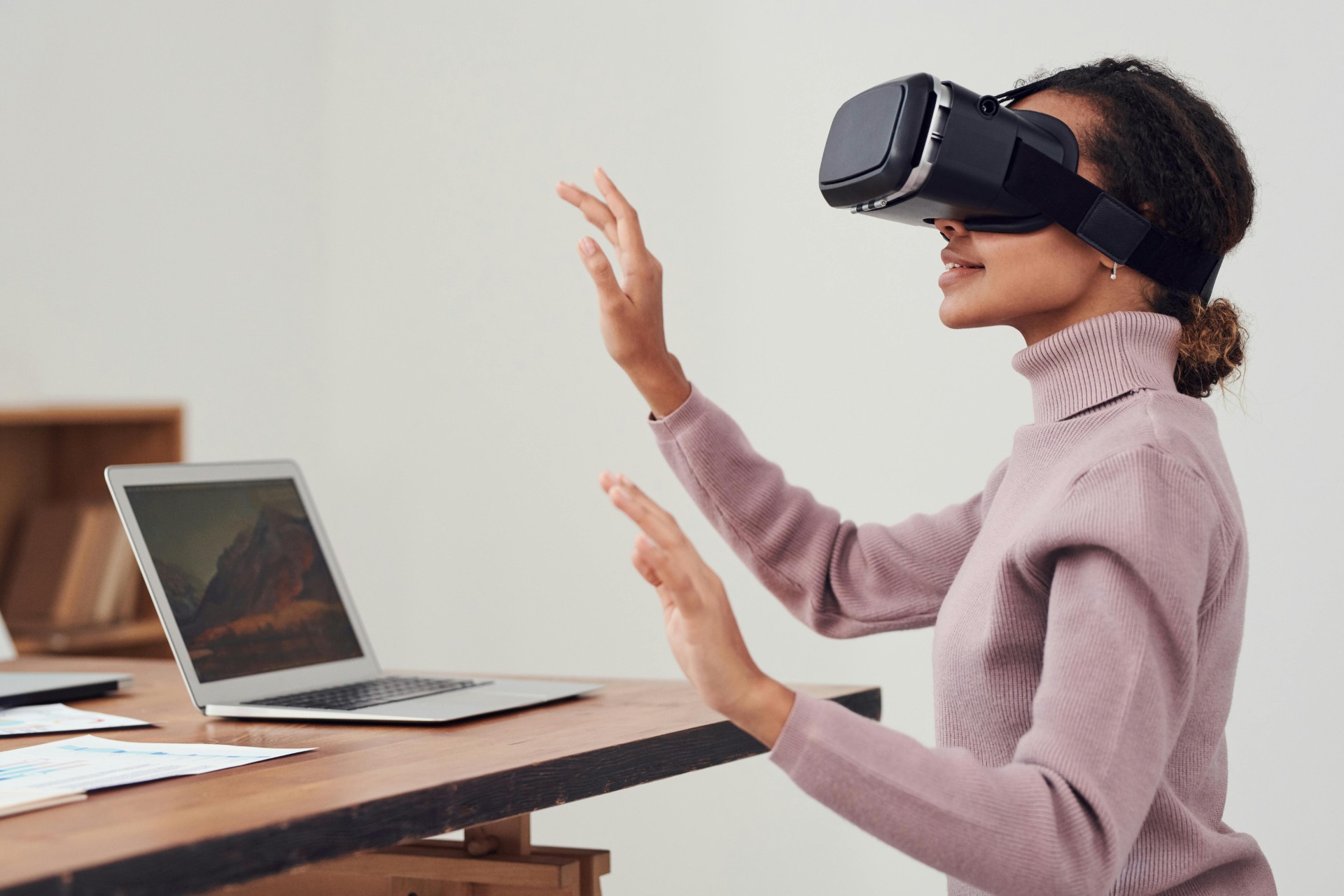
Virtual reality casinos are digital casino spaces that players can enter using a VR headset and motion controllers. Instead of browsing a standard website or mobile app, users can walk through a virtual casino floor, approach gaming tables, play slot machines, and interact with other players in real time.
The goal is to recreate the look, sound, and feel of a land-based casino while keeping the accessibility of online gambling. Players may see virtual roulette tables, blackjack dealers, poker rooms, slot areas, lounges, and other casino-style environments designed to feel more realistic and engaging.
This makes VR casinos different from traditional online casinos. Rather than simply pressing buttons on a screen, players can feel more present inside the gaming environment.
How VR Casino Technology Works
The growth of VR casinos depends heavily on improvements in both hardware and software. Modern VR headsets now offer better graphics, smoother motion tracking, improved comfort, and faster response times than earlier models.
At the same time, stronger internet connections and more powerful processors make it possible to create larger, more detailed virtual spaces. These improvements allow casino games to feel more responsive and visually appealing, which is essential for keeping players engaged.
Motion controllers also play an important role. They allow users to make gestures, select chips, spin wheels, pull slot handles, or interact with objects in the virtual casino. As the technology becomes more advanced, the experience is expected to feel even more natural.
Why VR Casinos Could Improve the Online Gambling Experience
One of the biggest advantages of VR casinos is immersion. Traditional online casinos are convenient, but they often lack atmosphere. VR changes that by surrounding the player with a fully designed casino environment.
Instead of looking at a flat screen, players can hear casino sounds, see other avatars nearby, move around the venue, and interact with games from a first-person perspective. This creates a stronger sense of presence and can make the experience feel more entertaining.
Social interaction is another major benefit. Many online casino platforms are mostly individual experiences, but VR casinos can make gambling more social. Players may be able to talk with others, join multiplayer games, watch live events, or gather around the same table.
This social element is one reason land-based casinos remain popular. People often enjoy the atmosphere, conversation, and shared excitement. VR casinos attempt to bring that feeling into the digital world.
The Challenges Holding VR Casinos Back
Despite their potential, VR casinos are not yet ready to replace traditional online casinos. Several challenges still limit widespread adoption.
The first major barrier is cost. VR headsets are becoming more affordable, but they still represent an extra expense for players. Many online casino users prefer the simplicity of playing from a phone, tablet, or computer without needing additional equipment.
The second issue is accessibility. Mobile casinos are easy to use anywhere, while VR casinos require more space, setup, and compatible hardware. This makes them less convenient for casual players.
Technical performance is also important. Problems such as lag, motion sickness, headset discomfort, and long-session fatigue can affect the user experience. For VR casinos to become mainstream, platforms must deliver smooth performance and comfortable gameplay.
Another challenge is the size of the VR audience. While interest in virtual reality is growing, the number of VR users is still much smaller than the number of mobile and desktop casino players.
VR Casinos vs Traditional Online Casinos
Compared with standard online casinos, VR casinos offer a more immersive and interactive experience. They are designed for players who want more than quick access to slots or table games. They appeal to users who enjoy atmosphere, exploration, and social engagement.
However, traditional online casinos still have major advantages. They are faster to access, easier to use, and available on devices most people already own. A player can open a mobile casino app or website within seconds, which is difficult for VR platforms to match.
Live dealer games currently sit somewhere between the two. They offer real-time interaction with human dealers while remaining accessible from phones and computers. Although live dealer casinos do not provide the full immersion of VR, they are more practical for many players today.
For this reason, VR casinos are more likely to complement existing online gambling platforms rather than replace them completely. Different players want different experiences, and VR simply adds another option.
The Importance of Social Features in VR Gambling
Social connection could become one of the strongest selling points of VR casinos. In a virtual casino, players are not isolated behind a screen. They can enter shared spaces, communicate with others, and take part in multiplayer experiences.
This could make online gambling feel more like a community activity. Poker rooms, blackjack tables, and tournament-style games may become especially appealing in VR because they naturally involve interaction between players.
As digital entertainment continues to move toward community-driven experiences, VR casinos may benefit from their ability to create realistic shared environments. The more natural and enjoyable these social features become, the more attractive VR gambling could be to players.
Regulation, Security, and Responsible Gambling
Like all online gambling platforms, VR casinos must follow strict rules around fairness, licensing, security, and responsible gambling. Regulators will need to ensure that games are transparent, payments are protected, and players are treated fairly.
However, VR also introduces new questions. Because the experience is more immersive, operators may need stronger tools to monitor player behavior and encourage responsible play. Features such as session reminders, spending limits, cooling-off periods, and clear account controls may become even more important.
Regulators may also need to adapt existing rules for virtual environments. For example, monitoring interactions between players, preventing misuse, and ensuring safe digital spaces could require updated standards.
Trust will be essential. If VR casinos are to grow, players must feel confident that the platforms are secure, fair, and responsibly managed.
The Future of Virtual Reality Casinos
The future of VR casinos will depend on technology, demand, regulation, and affordability. As VR headsets become cheaper, lighter, and more comfortable, more players may be willing to try immersive casino gaming.
Software will also continue to improve. Future VR casinos could feature more realistic graphics, smarter virtual dealers, smoother controls, and larger multiplayer spaces. Developers may also explore new ways to combine VR with other technologies, such as digital assets, blockchain-based verification, or augmented reality.
Augmented reality, or AR, could create hybrid casino experiences that blend digital elements with the real world. For example, players might one day place a virtual roulette table in their living room or join a mixed-reality poker game with friends.
Still, growth will not happen overnight. VR casinos must prove that they offer enough value to justify the extra equipment and setup. For now, they remain an exciting but developing area of online gambling.
Final Thoughts
Virtual reality casinos have the potential to reshape online gaming by offering deeper immersion, stronger social interaction, and a more realistic casino atmosphere. They bring players closer to the feeling of being inside a physical venue while preserving the convenience of digital access.
However, major obstacles remain. Hardware costs, comfort issues, technical limitations, smaller user adoption, and regulatory challenges all need to be addressed before VR casinos can become mainstream.
Rather than replacing mobile casinos, desktop platforms, or live dealer games, VR casinos are likely to become an additional option for players seeking a more interactive experience. Their success will depend on how quickly the technology improves and whether enough players are ready to embrace a more immersive future for online gambling.


