Apple’s iPhone 17 Could Become the Best Smartphone Deal of 2027 If Apple Drops the Price
Apple’s standard iPhone 17 has already made a huge impact on the smartphone market. With a strong mix of premium features, competitive pricing, and broad global appeal, the device reportedly became the best-selling smartphone worldwide in Q1 2026, according to Counterpoint Research.
That success raises an interesting question: what happens if Apple keeps the iPhone 17 around after the iPhone 18 launches and cuts its price by $100?
If Apple lowers the iPhone 17 from $799 to $699, the result could be massive demand. For many buyers, that would turn an already attractive iPhone into one of the best-value smartphones on the market. However, while this strategy could put even more pressure on rival Android brands, it may also create a problem inside Apple’s own lineup.
The iPhone 17 at $699 could be extremely hard to beat
Apple has used this strategy before. When a new iPhone generation arrives, the company often keeps older models on sale at a lower price. It makes sense: not every customer wants the latest model, and many are happy to buy a slightly older iPhone if the value is strong enough.
The iPhone 17 is a perfect candidate for that approach.
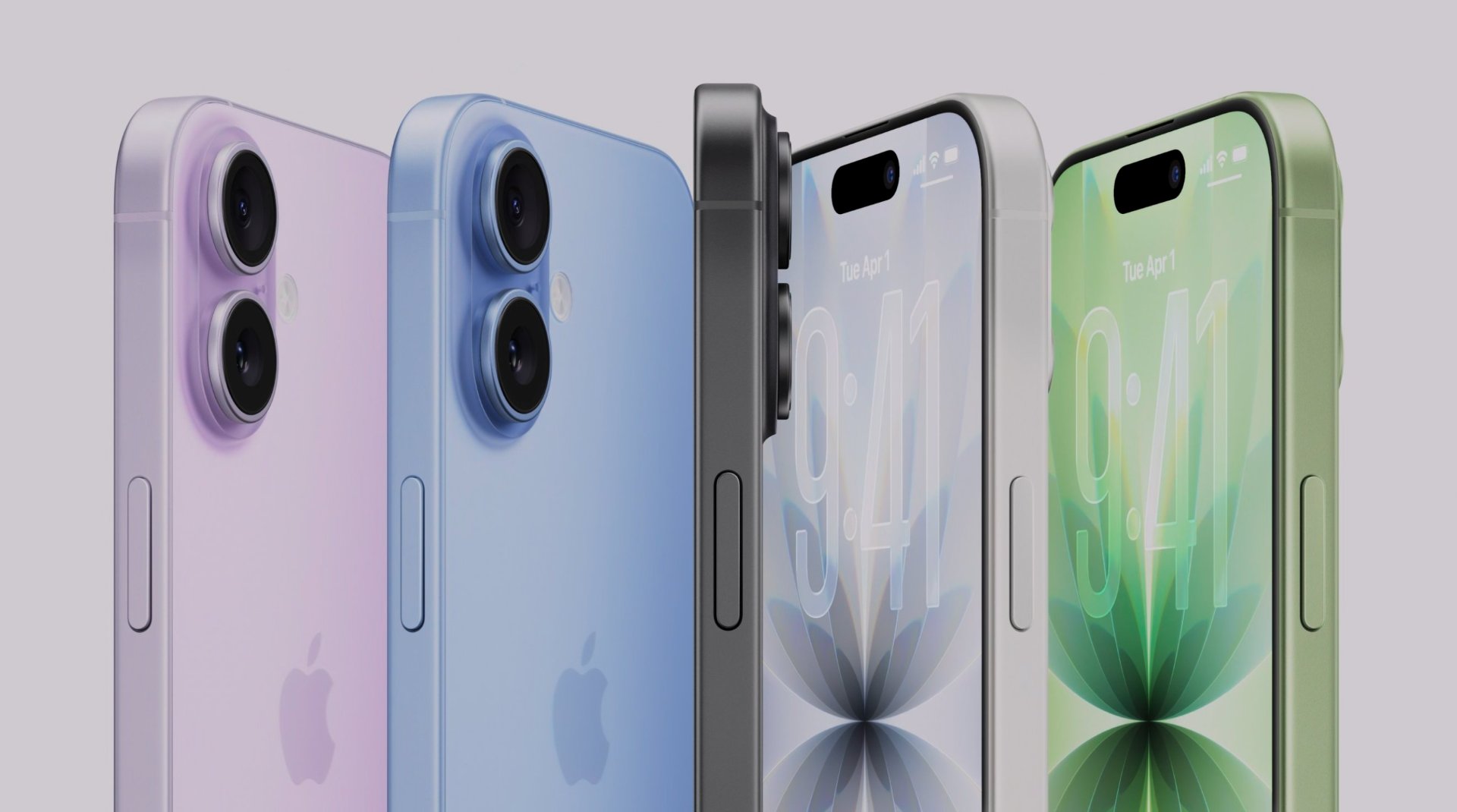
At $699, the iPhone 17 would offer an impressive package, including an LTPO OLED display, the A19 chip, 256GB of fast NVMe storage, a capable dual-camera system, and reliable battery life. Those are not entry-level specifications. For the average buyer, that combination would likely feel more than powerful enough for years of use.
That is why a price cut could make the iPhone 17 one of Apple’s most compelling devices in early 2027. It would not just attract budget-conscious iPhone buyers; it could also tempt Android users who are looking for long software support, strong performance, and a polished ecosystem without paying flagship-level prices.
The iPhone 17 has already shown strong demand in China, reportedly reaching close to 30 million activations. That suggests consumers are responding to value rather than simply choosing domestic alternatives. If Apple makes the device even cheaper, its appeal could grow even further.
The iPhone 18 may not offer enough upgrades to justify a big price gap
The situation becomes more complicated when the iPhone 18 arrives. If Apple launches the base iPhone 18 at $799, the company may have to explain why buyers should choose it over a discounted iPhone 17.
The main upgrade in the base iPhone 18 could be the A20 chip. If most other features remain similar, many consumers may decide that saving $100 is the better deal. For everyday tasks like browsing, video recording, social media, gaming, messaging, and streaming, the iPhone 17 would still be more than capable.
Apple may also have less pricing flexibility than usual. Tim Cook has previously warned that the company’s DRAM stockpiling is running out, which could affect costs. If memory prices rise, Apple may have a harder time keeping the iPhone 18 at the same starting price without reducing margins or limiting upgrades.
That creates a delicate balancing act. Apple wants the iPhone 18 to feel fresh and desirable, but a $699 iPhone 17 could make the newer model look less exciting unless the iPhone 18 brings more meaningful improvements.
The bigger problem could be the iPhone 18e
The most vulnerable device in this scenario may not be the iPhone 18. It could be the iPhone 18e.
Apple’s “e” models are positioned as more affordable entry-level options. Right now, the iPhone 17e fills that role, but the iPhone 18e is expected to arrive alongside the iPhone 18, potentially starting at $599.
On paper, that gives Apple a clean lineup: iPhone 18e at $599, iPhone 17 at $699, and iPhone 18 at $799. But in practice, that $100 gap between the iPhone 18e and a discounted iPhone 17 could become a serious issue.
If the iPhone 18e follows the same formula as Apple’s previous entry-level models, it may come with noticeable compromises. These could include fewer camera features, less advanced display technology, or other hardware limitations designed to keep the price lower.
That makes the iPhone 17 look much more attractive. Many shoppers may decide that spending an extra $100 is worth it for a better display, stronger camera setup, more premium hardware, and longer-term value. In that case, the iPhone 18e could suffer from sales cannibalization, with buyers skipping the cheapest model and choosing the discounted iPhone 17 instead.
Apple could raise the iPhone 18 price to protect the lineup
One way Apple could reduce this problem is by raising the iPhone 18 starting price to $899. That would create a wider gap between the iPhone 17 and iPhone 18, making each model easier to position.
A lineup with the iPhone 18e at $599, iPhone 17 at $699, and iPhone 18 at $899 would make more sense from a sales strategy perspective. The iPhone 18e would remain the lowest-cost option, the iPhone 17 would become the value champion, and the iPhone 18 would target buyers who want the newest chip and latest features.
However, raising the iPhone 18 price could also be risky. Consumers are already sensitive to smartphone pricing, and a $899 starting price for the base model may not be well received unless Apple delivers major upgrades. If the iPhone 18 only offers a modest improvement over the iPhone 17, the higher price could push even more buyers toward the older model.
A discounted iPhone 17 could dominate Apple’s 2027 lineup
If Apple keeps the iPhone 17 on sale at $699 after the iPhone 18 launch, it could become one of the most popular smartphones of 2027. The device already has strong hardware, proven demand, and a feature set that feels premium enough for most users.
The challenge is that it may become too good of a deal.
A $699 iPhone 17 could hurt the iPhone 18e by making Apple’s cheapest model look underpowered. It could also hurt the standard iPhone 18 if the new model does not offer enough upgrades to justify the extra cost.
Still, from a consumer perspective, this would be a win. Buyers would get access to a powerful, modern iPhone at a lower price, while Apple would continue selling a device that has already proven successful in the global market.
The real question is whether Apple wants to unleash that kind of value. A cheaper iPhone 17 could put enormous pressure on competitors, but it could also disrupt Apple’s carefully planned product ladder. If the company handles the pricing correctly, the iPhone 17 may remain one of its strongest weapons long after the iPhone 18 arrives.