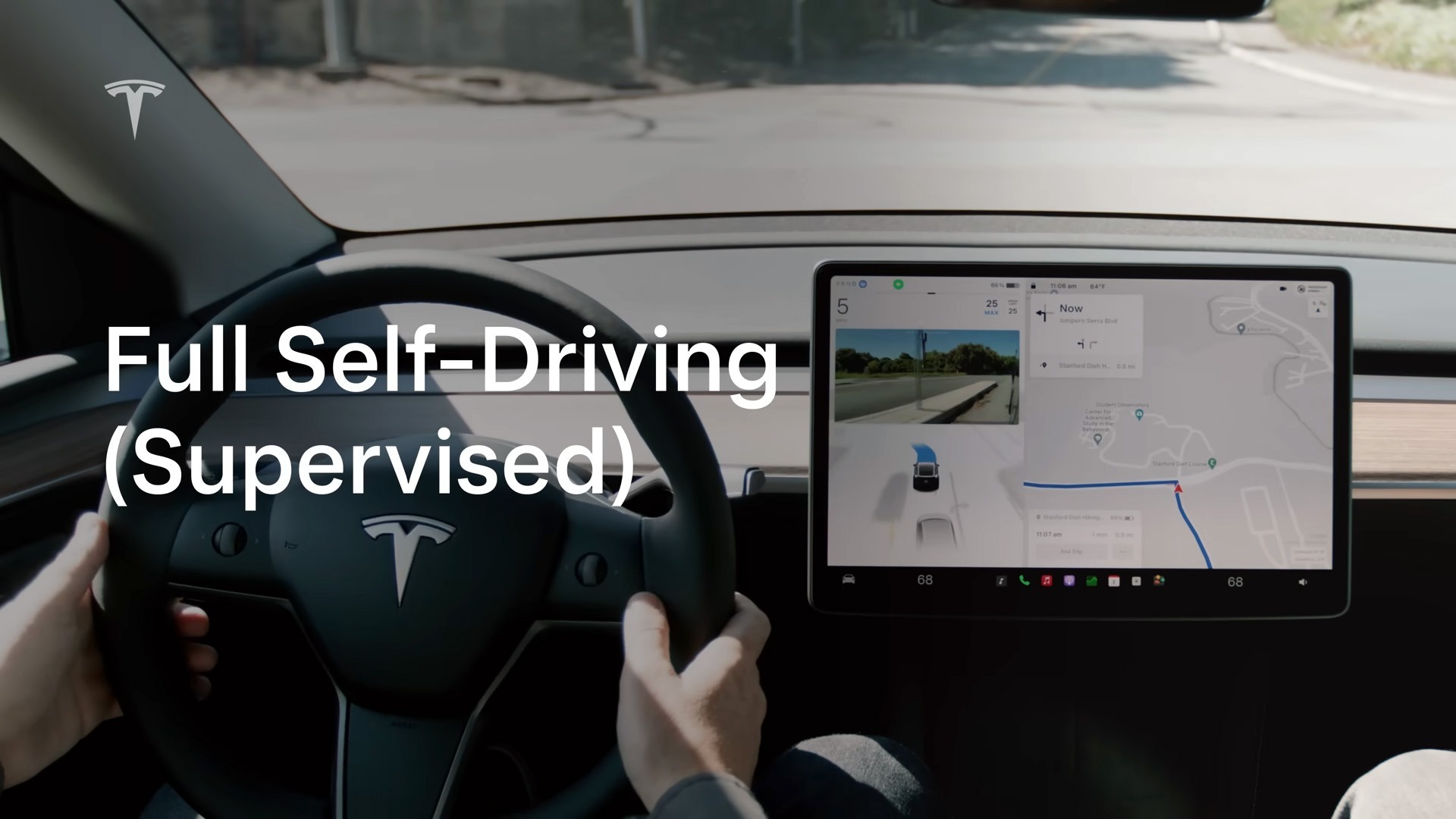
Tesla’s latest data release offers insight into the safety of its Autopilot and Full Self-Driving (FSD) systems, demonstrating that Tesla vehicles are making significant strides in automotive safety. Figures indicate that Tesla cars equipped with these autonomous systems experience one accident per 7.63 million miles driven. This contrasts sharply with the average U.S. driver’s statistic of one crash per 670,000 miles, highlighting a tenfold increase in safety over the national average.
Tesla, a leading electric vehicle manufacturer, notes that while no vehicle can be completely accident-proof, its efforts are centered on minimizing the likelihood of crashes. Since all Tesla vehicles produced after September 2014 come with active safety features as a standard inclusion, Tesla aims to provide a dual-layered safety approach, combining robust vehicle structures with advanced safety technology.
Leveraging the power of connectivity, Tesla utilizes the extensive real-world driving data from its global fleet—which includes over 9 billion miles driven with Autopilot engaged—to analyze various accident scenarios. This rich data pool enables the development and refinement of features designed to reduce accident risks. Furthermore, Tesla’s capability to deploy over-the-air software updates allows for continuous safety enhancements, even to vehicles that are already on the road.
Despite the impressive data, Tesla has not differentiated between the miles traveled under Autopilot—generally used for highway driving—and those covered using FSD in more complex urban environments. However, the company has provided comparative safety figures for Tesla vehicles with Autopilot off, suggesting that activating the Autopilot system results in Tesla vehicles being approximately seven times safer to drive.
This safety performance is expected to play a pivotal role in gaining regulatory approvals for Tesla’s proposed autonomous services such as Robotaxi and CyberCab, which aim to operate on public roads utilizing the existing Tesla vehicle fleet.
Although a detailed comparison of the safety records between Autopilot and the latest AI-driven FSD (version 12) is not yet available, such distinctions are anticipated in the future as Tesla accumulates more comprehensive data.
In conclusion, Tesla’s proactive approach to vehicle safety, underscored by extensive data collection and analysis, not only enhances the safety of its own fleet but also sets a benchmark for the industry as a whole. Consumers and regulators alike will be watching closely as Tesla continues to advance its autonomous driving technologies and contributes to the evolution of road safety.