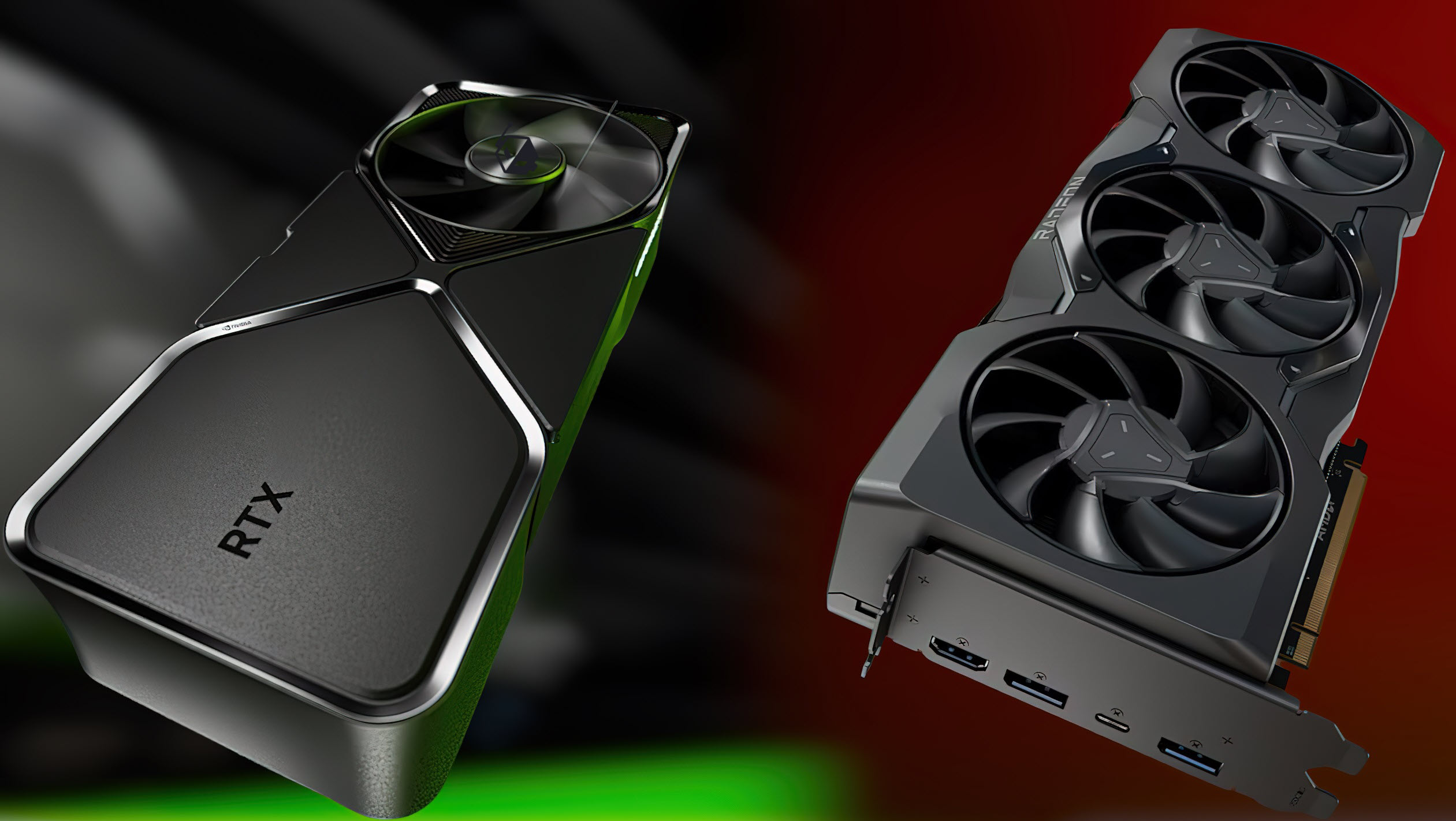
Graphics Processing Unit (GPU) performance has substantially evolved over the years, and one way to measure and analyze this progression is through GPU benchmarks. UL Benchmarks, a company specializing in performance benchmarking tools, has shared enlightening data showcasing the GPU performance increase observed over several years through the 3DMark benchmark based on millions of tests.
Introducing 3DMark Steel Nomad and Steel Nomad Light
The latest offering from UL Benchmarks includes the introduction of 3DMark Steel Nomad and its lighter counterpart, 3DMark Steel Nomad Light. These new benchmarks are designed to push modern-day GPUs to their limits by utilizing advanced GPU technologies at 4K resolution. Remarkably, Steel Nomad is considered three times more demanding than its predecessor, Time Spy, offering a rigorous testing environment for the latest GPUs.
The Rise in 3DMark Time Spy Scores
Since the release of the 3DMark Time Spy benchmark in 2016, UL Benchmarks reports over 48 million tests submitted, highlighting the tool’s significance in the GPU benchmarking ecosystem. The ensuing years have seen continual hardware advancements, particularly in GPUs, leading to remarkable increases in average benchmark scores.
One notable period was in 2020 with the launch of NVIDIA’s “GeForce RTX 30” series and AMD’s “Radeon RX 6000” series GPUs, which contributed to a significant leap in Time Spy scores. This demonstrated a clear trend of consistent generational improvements in GPU technology, with performance gains becoming more pronounced with each new release.
Comparing GPU Generations: The Threefold Increase
An interesting pattern emerges when looking at UL Benchmarks’ aggregated data—there’s been an approximately threefold increase in 3DMark Time Spy performance over time. Initial GPU scores around the benchmark’s inception hovered around the 4,500-point mark, while modern GPUs can now achieve scores upward of 14,000 points. With the anticipation of future GPU releases, such as NVIDIA’s RTX 50 “Blackwell” series, the possibility of scores reaching or surpassing 20,000 points seems likely.
Time Spy’s Legacy and the Future of Benchmarking with Steel Nomad
While 3DMark Time Spy has played a pivotal role in GPU benchmarking over the years, UL Benchmarks suggests that as we move forward, Steel Nomad will be the preferred tool for evaluating new GPU architectures. Nevertheless, Time Spy remains a valuable asset for assessing performance and will continue to be available for users.
In summary, the GPU industry has experienced significant performance leaps, underscored by comprehensive data from benchmarks like Time Spy. As new technologies and GPUs emerge, tools like Steel Nomad will serve as the next chapter in tracking and understanding the ever-advancing landscape of GPU power and capability.