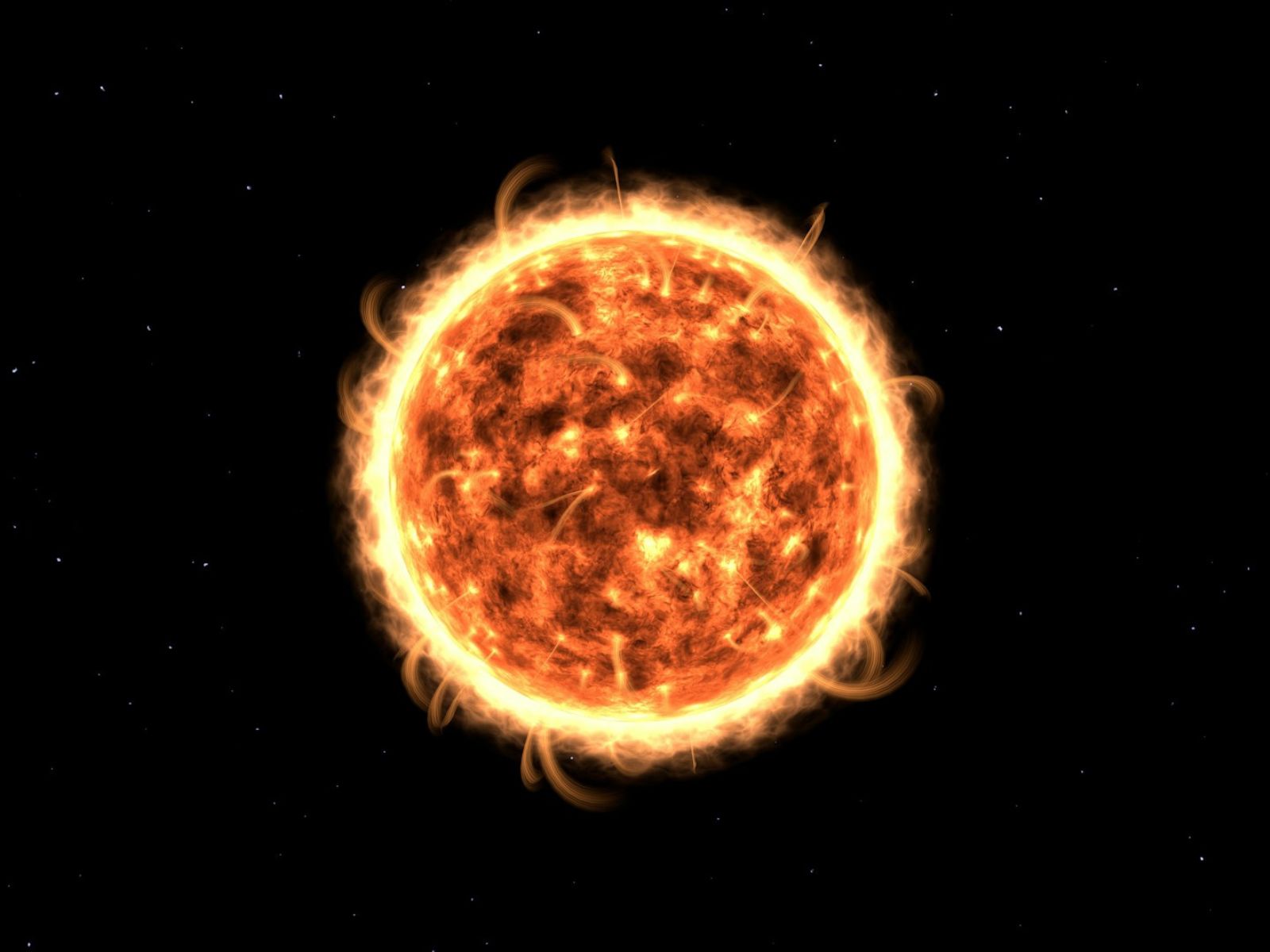
Astronomers have taken a major step toward solving a long-standing cosmic mystery: where our Sun was born and how it ended up where it is today. Using observations from the Gaia satellite, researchers have assembled a detailed catalog of more than 6,000 stars that look strikingly similar to the Sun—and the results suggest our star may have migrated a surprisingly large distance across the Milky Way.
The Sun is the engine behind life on Earth, but its own origin story is still full of unanswered questions. Scientists know it formed roughly 4.6 billion years ago, likely in a region closer to the Milky Way’s center than its current position. What hasn’t been clear is how the Sun’s birthplace relates to its present-day orbit, and whether the Sun has always lived in the same neighborhood of the galaxy.
To dig deeper, Daisuke Taniguchi of Tokyo Metropolitan University and Takuji Tsujimoto of the National Astronomical Observatory of Japan focused on “solar siblings” and “solar twins”—stars with properties comparable to our Sun, including similar composition, mass, and temperature. By carefully selecting these Sun-like stars from Gaia’s data and then estimating their ages, the researchers built a catalog containing 6,594 stars and organized them by how old they are.
One pattern stood out. The dataset includes a large population of stars aged between 4 and 6 billion years—right in the same age range as the Sun. That clustering matters because it strengthens the case that many of these stars share a comparable origin history. Based on the age distribution and the similarities in stellar properties, the researchers argue that the Sun likely traveled far from its formative region, drifting outward from the Milky Way’s more central zones over billions of years.
This kind of movement, known as stellar migration, can reshape how astronomers think about the history of our galaxy. It also connects to a well-known feature of the Milky Way called the corotation barrier. This bar-shaped structure can act like a boundary that restricts how easily stars move through the galaxy. The new findings suggest the Sun’s major migration would have occurred before this barrier formed, meaning the Milky Way’s internal structure may have evolved in a way that later “locked in” the positions of many stars.
While this research helps clarify how the Sun could have ended up far from its birthplace, it also highlights how much remains unknown. Star formation and long-term stellar movement in the Milky Way are still not fully understood, and astronomers say more studies will be needed to refine the Sun’s timeline and trace the complex forces that have shaped our galaxy.
For anyone fascinated by the Sun’s origins, this catalog of thousands of Sun-like stars offers a powerful new way to reconstruct the Milky Way’s past—and to better understand the journey that brought our solar system to its current home.


