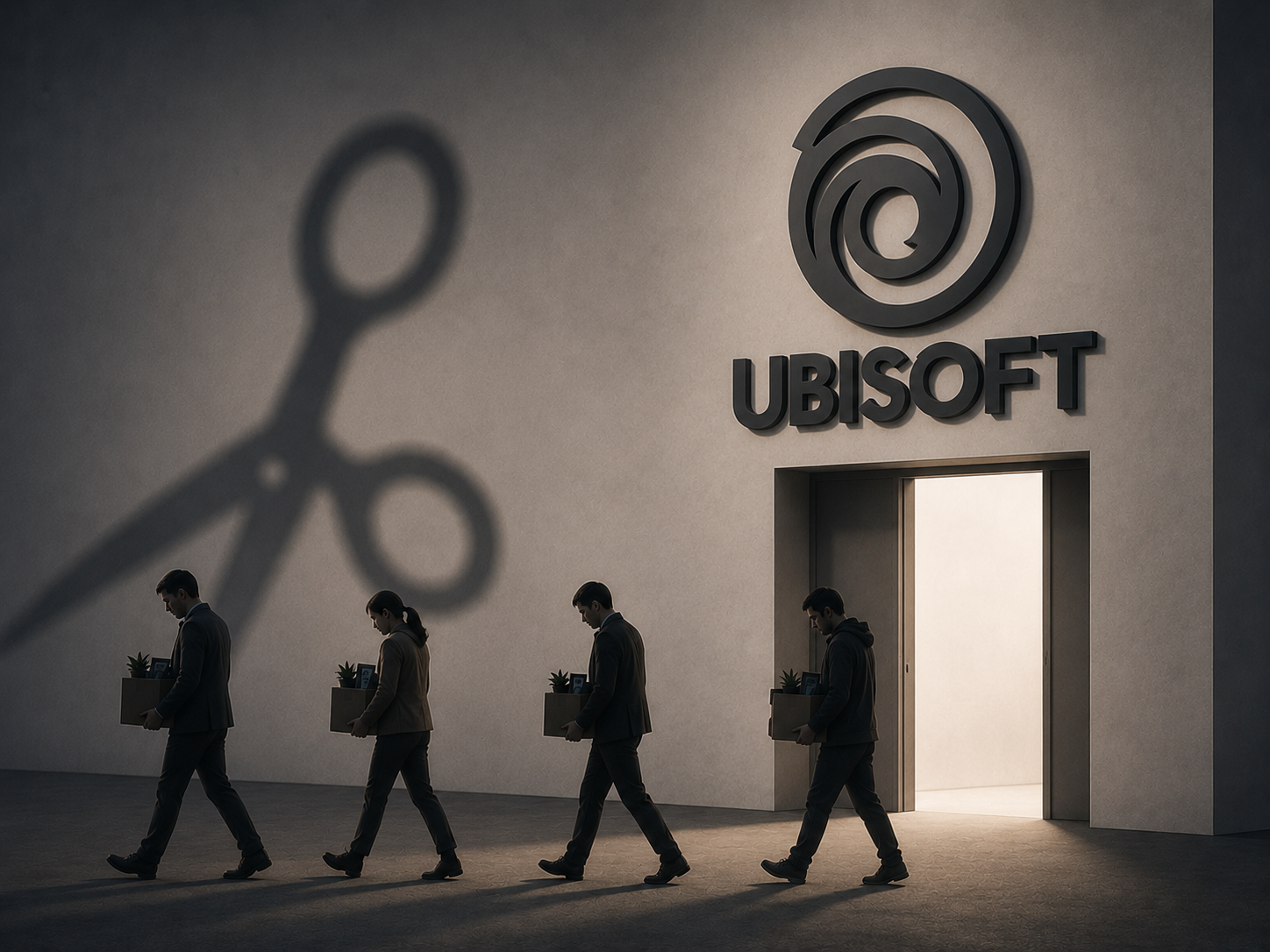
Ubisoft Barcelona Faces Layoffs as Gaming Industry Job Cuts Continue
The video game industry is still navigating one of its most difficult periods in recent memory. After years of rapid growth during the pandemic, many major publishers and studios are now cutting costs, canceling projects, and reducing staff. The latest development comes from Ubisoft Barcelona, where 51 employees are reportedly facing layoffs, including workers connected to Assassin’s Creed: Black Flag Resynced.
The situation reflects a broader crisis across the gaming sector. Since 2022, tens of thousands of game industry jobs have been eliminated worldwide. What once looked like unstoppable growth has turned into a wave of restructuring, as companies adjust to changing market conditions and rising production costs.
During the COVID-19 lockdowns, gaming saw a huge surge in player activity and spending. Many companies expanded aggressively, hiring more developers, artists, designers, and support staff to meet what they believed would be long-term demand. But as everyday life returned to normal, player engagement and spending patterns cooled. For many studios, staffing levels no longer matched current business needs.
At the same time, the cost of making blockbuster games has continued to rise. AAA titles now often require massive teams, years of development, advanced technology, and marketing budgets that can rival major films. Longer production cycles and bigger budgets mean greater financial risk, especially when a project is delayed, underperforms, or gets canceled entirely.
Higher interest rates have also changed the way investors and executives approach the business. Instead of prioritizing growth at all costs, many companies are now focused on profitability, efficiency, and reducing expenses. That shift has led to widespread restructuring across the industry.
Consolidation has played a major role as well. Large acquisitions often lead to overlapping teams and duplicated roles, which can result in job cuts once companies begin merging operations. Project cancellations have added even more pressure, with some studios losing years of work when games are shelved before release.
Ubisoft Barcelona now appears to be caught in this difficult industry-wide environment. Reports indicate that the studio’s employees became concerned because they were not assigned a new project ahead of time, which is typically how Ubisoft manages development teams. In many cases, teams are moved onto their next assignment months before their current work is fully completed. For the Barcelona team, that next project reportedly never came, raising worries among staff as early as summer 2025.
The planned layoffs have not gone unchallenged. Affected employees launched a strike beginning June 30, with action expected to continue until July 16. Their complaints go beyond the job cuts themselves. Workers have raised concerns about what they describe as constant mistreatment, the loss of experienced talent, forced departures linked to weakening worker protections, and a management culture they feel has become increasingly top-down.
The dispute highlights growing frustration among game developers who feel they have little influence over decisions that directly affect their jobs, workloads, and creative output. As layoffs continue across the industry, more workers are speaking out about burnout, instability, and the human cost of corporate restructuring.
Ubisoft’s latest job cuts also arrive shortly after another major round of layoffs in the gaming world. Xbox recently cut 1,600 jobs, with another 1,600 reductions reportedly planned through 2027. These numbers show that the downturn is not limited to one publisher or studio but is part of a much larger reset across the global games business.
For players, the news is a reminder that behind every major release are teams of developers whose work often spans years. Even successful or highly anticipated projects do not always protect studios from restructuring. As companies chase profitability, shift toward live-service games, expand mobile strategies, and experiment with AI-assisted development, the future of many development teams remains uncertain.
Ubisoft Barcelona’s situation is another sign that the gaming industry is still searching for stability. While demand for games remains strong, the business behind them is changing quickly. For the developers affected, the hope is not only for fair treatment during the layoff process but also for a stronger voice in shaping the future of the studios they helped build.