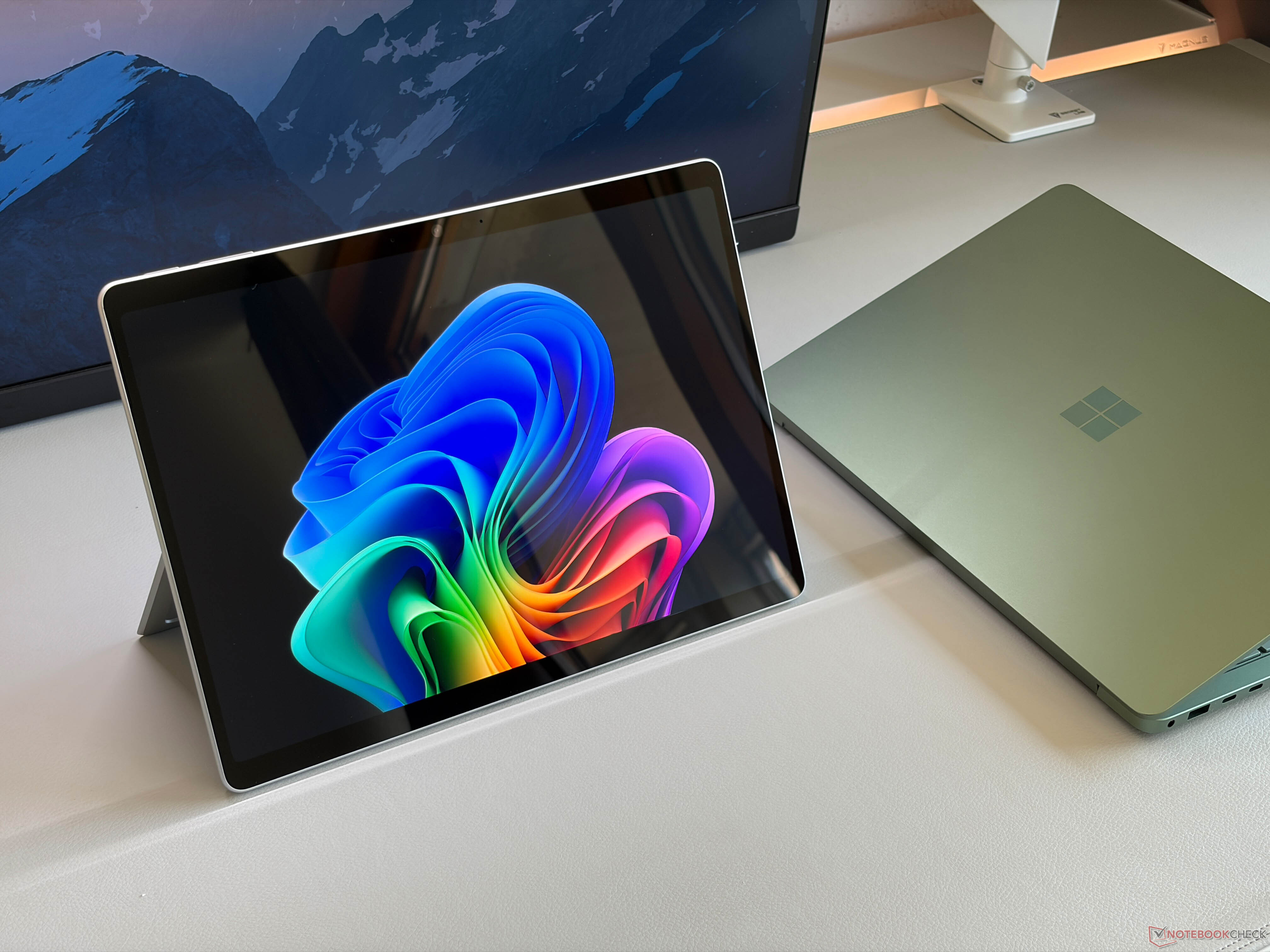
Microsoft’s Surface Strategy Leaves Consumers With Fewer Choices in 2026
Microsoft’s latest Surface lineup is once again creating debate, especially among buyers who want the freedom to choose between ARM and Intel hardware. After moving its consumer Surface devices to Qualcomm Snapdragon X processors in mid-2024, Microsoft appears committed to the same approach for 2026: regular buyers get ARM-based Surface models, while business customers receive more flexible configuration options.
The shift to ARM promised better efficiency, longer battery life, and a more modern Windows experience. However, the rollout was not smooth for everyone. Windows on ARM still faced compatibility problems at launch, particularly with older x86 applications, specialized software, and peripherals that lacked ARM drivers. For some users, that meant printers, accessories, or professional tools did not work as expected. Unsurprisingly, many early buyers were frustrated, and some returned their devices.
Microsoft seemed to recognize these concerns quickly. While consumer Surface Pro and Surface Laptop models remained tied to Snapdragon X chips, the company introduced Intel-powered versions for business users. Those models, equipped with Intel’s Lunar Lake processors, were often more appealing overall because they avoided many of the compatibility issues that affected ARM devices.
Now, with the second generation of Snapdragon X processors available, Microsoft is repeating the same strategy. Consumers are still limited to ARM-based Surface devices, while business customers can choose between ARM and Intel options, including Intel’s newer Panther Lake mobile processors.
For the Surface Pro, the difference may not be dramatic for every user. Performance between the ARM and Intel versions appears broadly comparable, and business customers also get extra options such as 5G connectivity. For people who mostly browse the web, stream video, write documents, and use cloud-based apps, the Snapdragon models may still be more than capable.
The bigger issue appears with the Surface Laptop. Microsoft’s business-focused Surface Laptop models can be configured with Intel Core Ultra X processors, which include the powerful Arc B390 integrated graphics. This gives the Intel versions a major advantage in graphics performance and light gaming. For users who edit photos, work with visual applications, run creative tools, or occasionally play games, the Intel Surface Laptop could offer a much better experience than the Snapdragon version.
Business Surface Laptop models also come with extra display options, including anti-glare panels and integrated privacy filters. While privacy screens can be useful in offices or public spaces, they often reduce image quality, so this may not be the biggest selling point for most buyers. Still, the broader hardware selection makes the business models feel more complete.
The problem is not that ARM-based Surface devices exist. In fact, Snapdragon-powered Windows laptops can be attractive for the right audience, especially those who value battery life, quiet operation, and everyday productivity. The issue is that Microsoft is not giving regular consumers the same choice it gives business buyers.
If Microsoft is confident in its ARM Surface lineup, it should allow the market to decide. Some customers will prefer Snapdragon models for efficiency and mobility. Others will want Intel versions for compatibility, stronger graphics, and a more traditional Windows experience. Restricting Intel configurations mainly to business buyers makes the consumer lineup feel unnecessarily limited.
Technically, regular shoppers may still find business Surface models through retail channels, but pricing is another obstacle. These versions are usually expensive and often do not receive the same discounts as consumer Snapdragon models. That makes the Intel configurations less attractive, even if they are better suited for many users.
This pricing gap could push customers toward ARM Surface devices simply because they are cheaper, not necessarily because they are the best option for their needs. Over time, Snapdragon models will likely see faster price drops, while Intel-based business models may remain costly.
For Microsoft Surface buyers in 2026, the choice is more complicated than it should be. The Surface Pro and Surface Laptop remain premium Windows devices with sleek designs, strong build quality, and modern features. But Microsoft’s decision to separate consumer and business hardware options creates frustration.
Consumers deserve access to the most powerful and compatible Surface configurations without being pushed into expensive business models. ARM may be part of the future of Windows laptops, but forcing it on mainstream buyers is unlikely to win over everyone.
A better strategy would be simple: offer both Snapdragon and Intel versions to all customers. Let users decide whether they want longer battery life, maximum compatibility, better graphics performance, or the best price. That would make the Surface lineup stronger, clearer, and far more appealing.