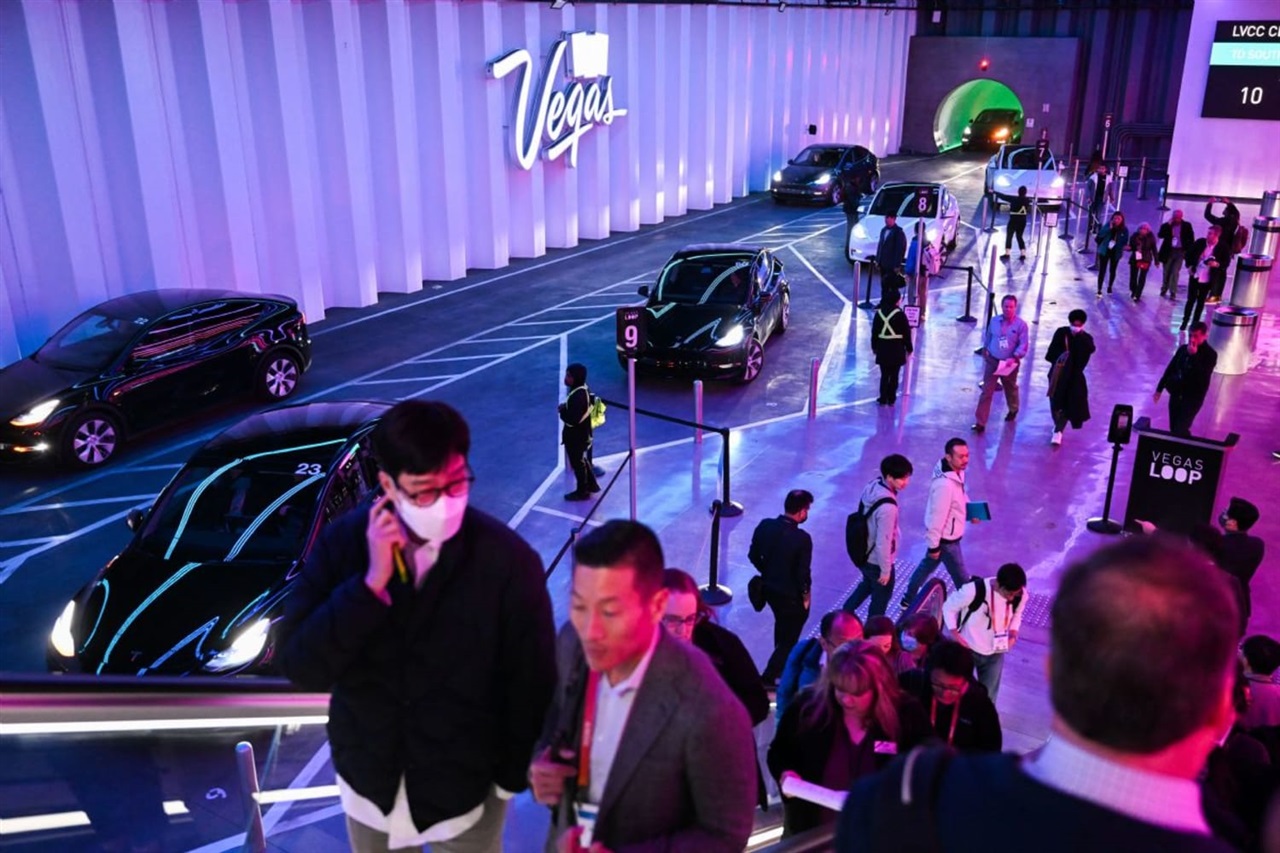
Elon Musk’s The Boring Company Secures $3 Billion From UAE Investors to Expand Underground Transit Vision
Elon Musk is juggling some of the most ambitious projects in technology, from SpaceX’s push toward a historic public offering to Tesla’s Cybercab robotaxi rollout in Austin, Texas. Yet amid all of that, his long-running dream of transforming city transportation through underground tunnels is still very much alive.
The Boring Company, Musk’s tunnel-drilling venture, has reportedly secured $3 billion from investors in the United Arab Emirates, giving the company fresh momentum to pursue its vision of high-speed underground transportation networks. The funding could help accelerate tunnel construction, improve drilling technology, and support future urban mobility projects designed to reduce traffic congestion in major cities.
Musk founded The Boring Company with a simple but bold idea: if roads above ground are overcrowded, cities should build transportation routes below the surface. Instead of relying only on highways, bridges, and traditional rail systems, the company wants to create underground tunnels where electric vehicles or autonomous transport pods can move passengers quickly and efficiently.
The new investment comes at a time when transportation technology is changing fast. Tesla is pushing deeper into autonomous driving with its Cybercab program, while SpaceX continues to dominate the commercial space industry. The Boring Company fits into Musk’s broader strategy of using engineering breakthroughs to solve large-scale infrastructure problems.
For crowded cities, tunnel-based transit could offer an alternative to surface traffic without requiring huge amounts of above-ground space. Supporters of the concept argue that underground transportation systems could reduce commute times, lower emissions by using electric vehicles, and make urban travel more predictable.
However, The Boring Company still faces major challenges. Large tunnel projects are expensive, highly regulated, and technically complex. Cities must approve permits, safety standards must be met, and construction costs must be kept under control. The company’s success will depend not only on funding, but also on proving that it can build tunnels faster and cheaper than traditional infrastructure firms.
The reported UAE-backed investment suggests growing international interest in Musk’s underground transportation concept. The United Arab Emirates has invested heavily in futuristic infrastructure, smart cities, and advanced mobility projects, making it a potentially strong partner for a company trying to rethink how people move through dense urban areas.
If The Boring Company can turn this new capital into real-world expansion, it could become a key piece of Musk’s transportation ecosystem. Tesla could provide the electric and autonomous vehicles, while The Boring Company builds the underground routes they travel through. Together, those technologies could support a new model of city mobility built around automation, electric power, and reduced surface congestion.
For now, the $3 billion investment gives The Boring Company renewed attention at a crucial moment. While SpaceX and Tesla often dominate headlines, Musk’s tunnel venture may be preparing for its next major chapter. If successful, it could move the idea of underground electric transit from experimental concept to a more visible part of the future of urban transportation.