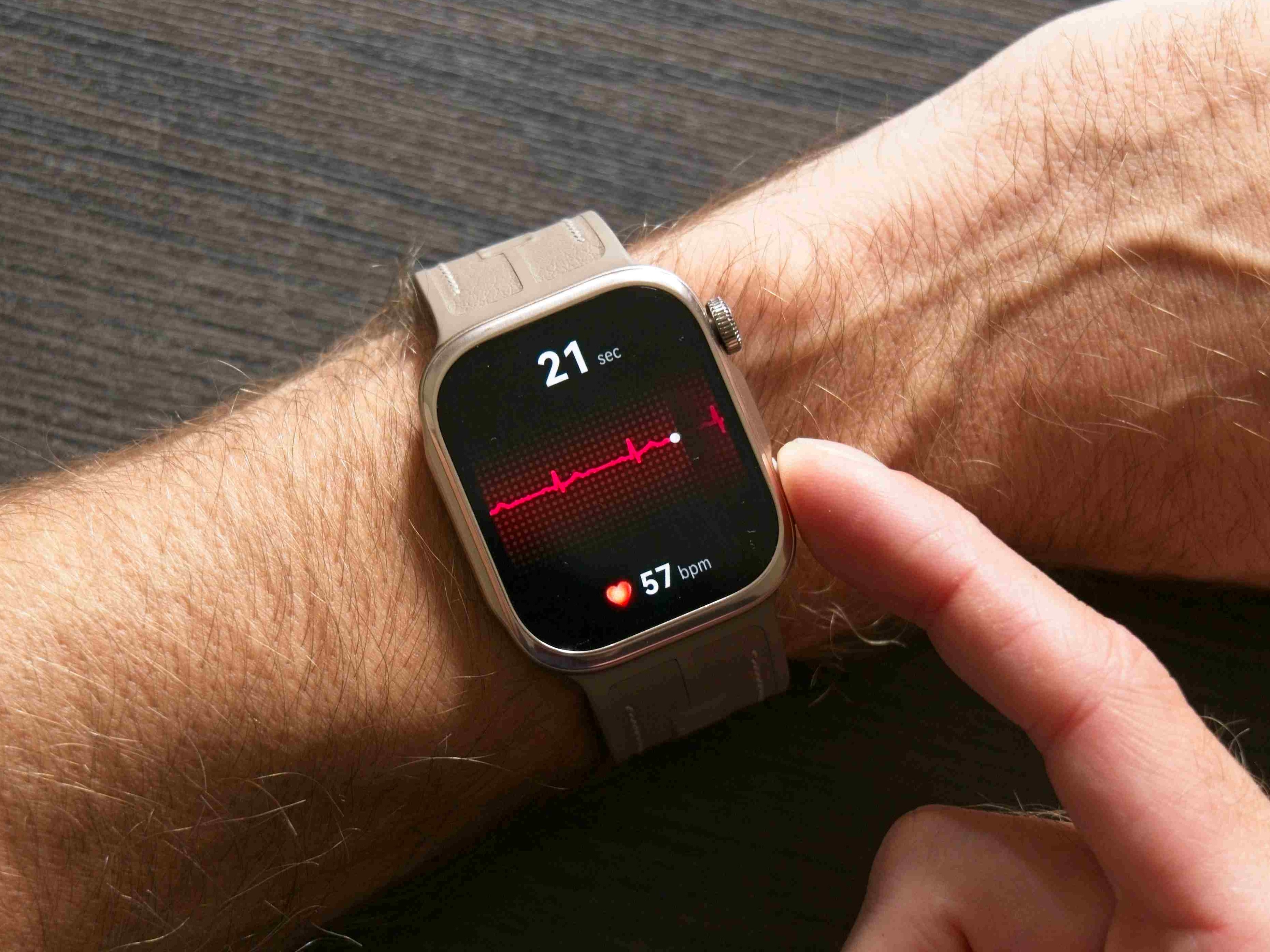
Huawei Watch D3 ECG: What It Can Do, What It Can’t, and Why It Matters
The Huawei Watch D3 brings ECG technology to the wrist, giving users a convenient way to check heart rhythm anytime, almost anywhere. While it should not be confused with a full medical heart examination, its ability to detect possible arrhythmias makes it a valuable health-tracking tool for people who want better insight into their cardiovascular wellness.
Like other ECG-enabled smartwatches, the Huawei Watch D3 cannot provide a complete cardiac diagnosis. A hospital-grade ECG uses more advanced equipment and multiple leads to give doctors a broader view of the heart’s electrical activity. By comparison, the Watch D3 is designed for quick, on-demand readings that may help identify irregular heart rhythms.
That distinction is important. The smartwatch is not replacing a cardiologist, but it can act as an early warning system. Arrhythmias can be a serious risk factor for cardiovascular problems, and spotting them at the right moment can make a meaningful difference.
One of the biggest strengths of the Huawei Watch D3 is availability. A clinical ECG only captures what is happening during a specific test. Even a 24-hour Holter monitor can miss intermittent rhythm disturbances if they do not occur during the monitoring period.
The Watch D3, on the other hand, is already on your wrist. If you feel palpitations while exercising, sitting at work, walking outside, or waiting for public transport, you can take a quick ECG reading in that moment. This makes it easier to record symptoms as they happen, which can be helpful information to share with a healthcare professional.
However, there is still a limitation: each ECG spot measurement on the Huawei Watch D3 lasts up to 30 seconds. That means it is useful for capturing short readings, but it does not continuously monitor ECG activity throughout the day or night. If an arrhythmia appears outside that short recording window, it may still go undetected.
This is why detecting temporary or unpredictable arrhythmias often comes down to timing and probability. A traditional 24-hour ECG provides continuous data for a set period, while a smartwatch offers flexible, repeated access over a much longer span of daily life. Neither approach is perfect, but the Huawei Watch D3 increases the chances of capturing an irregular rhythm when symptoms are actually felt.
There is also room for Huawei to go further. The Watch D3 already stands out with its cuff-based blood pressure measurement, a feature that gives it a unique position in the wearable health market. But its ECG system could become even more compelling with future improvements.
For example, support for additional ECG leads through an accessory, or the option for longer and overnight ECG recording, would make the device more powerful for users who want deeper heart health monitoring. Such upgrades could help Huawei take a stronger lead in advanced wearable health technology.
For now, the Huawei Watch D3 is best viewed as a practical, everyday heart rhythm companion. It cannot diagnose every heart condition, and it should not replace professional medical testing. But for users who want quick ECG checks, better awareness of possible arrhythmias, and a smartwatch that is ready whenever symptoms appear, it offers a useful and accessible health feature.
In short, the Huawei Watch D3’s ECG capability is not a complete medical solution, but it is a meaningful tool. Its real value lies in being available at the right time, right on the wrist.