Tesla’s upcoming Cybercab is moving a big step closer to everyday reality. A newly spotted, production-ready version of the driverless, pedal-less vehicle has been seen on public streets in Austin, signaling that Tesla is preparing to expand its Robotaxi ambitions well beyond factory testing.
The Cybercab, first revealed in October 2024, is designed specifically for Tesla’s Robotaxi platform fleet and is expected to hit city streets next year in a more streamlined, passenger-focused form. While Tesla has been testing the steering-wheel-free Cybercab on private grounds for months, taking it onto public roads suggests the company is now validating real-world performance, comfort, and durability ahead of broader rollout.
Austin is a particularly meaningful place for these sightings. It’s one of the key cities where Tesla began shaping its Robotaxi ride-share platform, making it a natural testing ground for a vehicle built from the ground up for autonomous transport and urban trips.
A more passenger-friendly interior and smarter practicality
This production-intent Cybercab reportedly comes with noticeable design updates, with a strong emphasis on making rides more comfortable and convenient for passengers. Among the standout changes:
New seats with improved ergonomics and more supportive cushioning
USB-C ports integrated into the central console for easy device charging
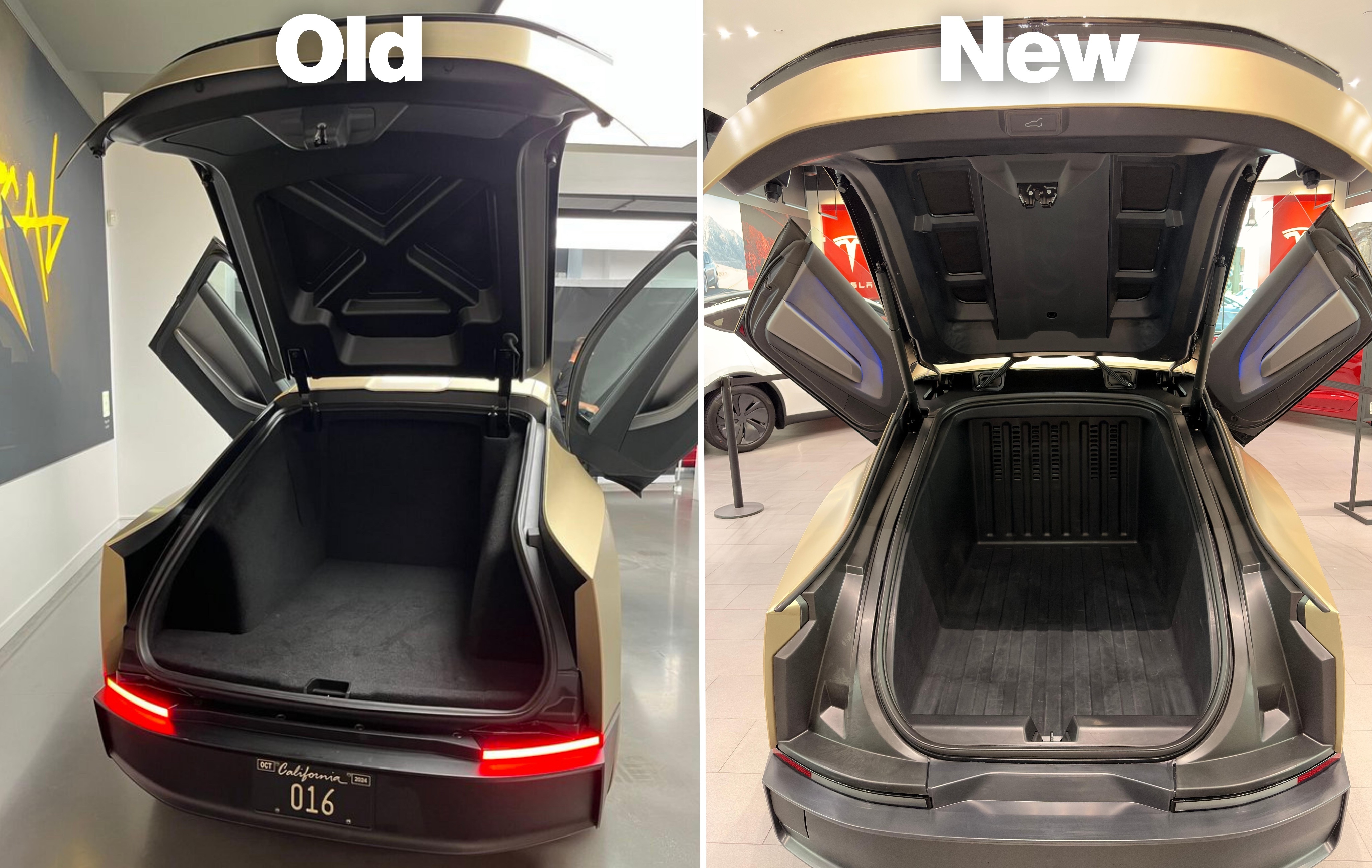
A redesigned trunk featuring tougher lining, plus new carpeting toward the front
Updated ambient lighting for a more relaxing cabin feel
An air vent spanning the dashboard paired with a recessed 21-inch display, creating a cleaner, more modern interior layout
Exterior upgrades are also part of the package
Tesla appears to be refining the Cybercab’s exterior as well, applying lessons learned from ongoing testing. Several upgrades spotted or reported include:
Two windshield wipers (a practical improvement for visibility and weather readiness)
Frameless windows for a sleeker look
Powered doors activated via a button at the B-pillar, along with redesigned door handles
Stronger powered struts
New wheel covers and updated tires
Reworked lighting, including a new light bar and updated headlights
There are also multiple subtle body revisions—such as adjustments to bumpers, the hatch area, roof elements, and other contours—suggesting Tesla is fine-tuning aerodynamics, durability, and manufacturability as it moves toward mass production.
Robotaxi expansion timing and what it could mean for pricing
Tesla’s paid Robotaxi service is expected to broaden significantly in 2026, when the platform is anticipated to open to both privately owned vehicles and dedicated Cybercabs. This timeline may align with Tesla’s goal of bringing its latest self-driving software advances into a wider consumer release, potentially blending an advanced “unsupervised” self-driving branch into the mainstream version available to the public.
The big question for many future riders is cost per mile. Elon Musk has previously claimed rides could eventually drop as low as $0.30 per mile—but that figure depends on large-scale Cybercab production and a fully built-out ecosystem, including wireless charging and automated cleaning infrastructure.
For comparison, current Robotaxi ride pricing reportedly ranges from about $1.25 to $2.00 per mile depending on distance and location. Once a lower-cost, purpose-built vehicle like the Cybercab joins the fleet in volume, pricing could shift dramatically as Tesla experiments with rates to increase adoption and maximize fleet utilization.
With Cybercab testing now appearing on real streets, Tesla’s plan for a dedicated driverless ride-share vehicle is no longer just a concept. The combination of comfort-focused interior upgrades, real-world durability refinements, and expanding Robotaxi service plans points to a major push to make autonomous ride-hailing more practical—and potentially far cheaper—over the next couple of years.