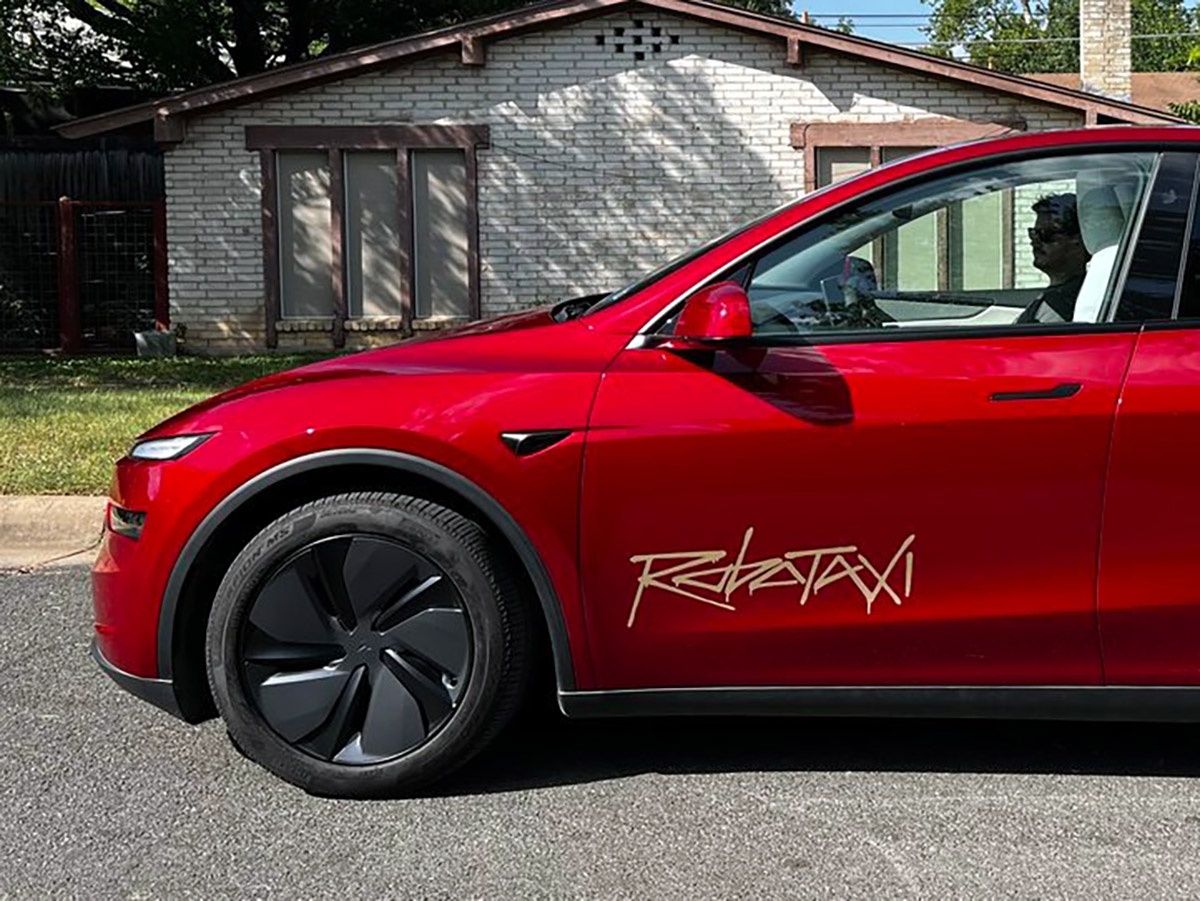
Tesla is shaking up ride sharing in a big way with its newly launched Robotaxi platform, now operating in cities such as Austin and San Francisco using 2026 Model Y vehicles. Early pricing data suggests Tesla isn’t just competing with the usual ride-hailing giants—it’s coming in dramatically cheaper, sometimes by two to three times, compared with services like Uber and Lyft. It’s even undercutting fully autonomous ride options from rivals that have been in the driverless game much longer.
For riders, the most eye-catching change is the cost. In San Francisco, Tesla Model Y robotaxi trips are now showing single-digit fares, a milestone that signals just how aggressive Tesla’s strategy is. The average ride reportedly comes in around $8, while the next most affordable option, Lyft, costs about twice that. Based on large-scale ride data, Tesla’s average rate is about $1.99 per kilometer (roughly $3.20 per mile), making it far cheaper than competing autonomous options, which average close to three times as much.
This pricing pressure comes at a time when autonomous ride services are already adjusting. Driverless rides have historically been priced above traditional ride-hailing, but that gap has been shrinking. In fact, one major autonomous competitor has cut pricing fast enough that the difference compared with Uber has fallen to around 13% overall—and for shorter trips of roughly six miles or less, the gap can be as small as 2%. Even with those reductions, Tesla’s robotaxi fares still appear to be in a category of their own.
Of course, price isn’t the only thing riders care about—pickup time matters too. This is where Tesla still has work to do. Average wait times for a Tesla Model Y robotaxi are reported to be about 15 minutes from request to arrival. By comparison, a leading driverless service averages a little over five minutes, which is close to the typical wait riders expect from established ride-hailing apps in busy areas.
The reason is straightforward: fleet size. Tesla reportedly has about 156 Model Y robotaxis operating around the Bay Area on its FSD (Unsupervised) software. Competing autonomous fleets in the same region are much larger, with over a thousand vehicles, making it easier to keep cars nearby and reduce passenger wait times.
Still, Tesla is moving quickly to close that gap. The company is ramping up its robotaxi count and has already begun offering unsupervised rides in Austin without a safety monitor, similar to what established driverless competitors do. Tesla’s AI leadership has indicated that the share of unsupervised trips should continue to grow over time as the fleet expands, suggesting shorter ETAs could follow as more vehicles hit the road.
The bigger story here is strategy. Tesla appears to be using ultra-low robotaxi pricing to accelerate adoption of its Robotaxi app and services, even if that means accepting early drawbacks like longer waits due to limited fleet availability. It’s a playbook that mirrors how ride-hailing platforms originally gained traction: win riders on price, scale rapidly, and improve service levels as the network grows.
What may make this moment different is consumer readiness. Survey results included in the same dataset suggest robotaxis are no longer viewed as a novelty in the Bay Area. Nearly half of respondents reportedly expect an autonomous vehicle to show up when they request a ride, a sign that driverless ride sharing is becoming part of everyday transportation. If that expectation continues to spread—and Tesla maintains its pricing advantage—competition in autonomous ride-hailing could intensify faster than many anticipated.