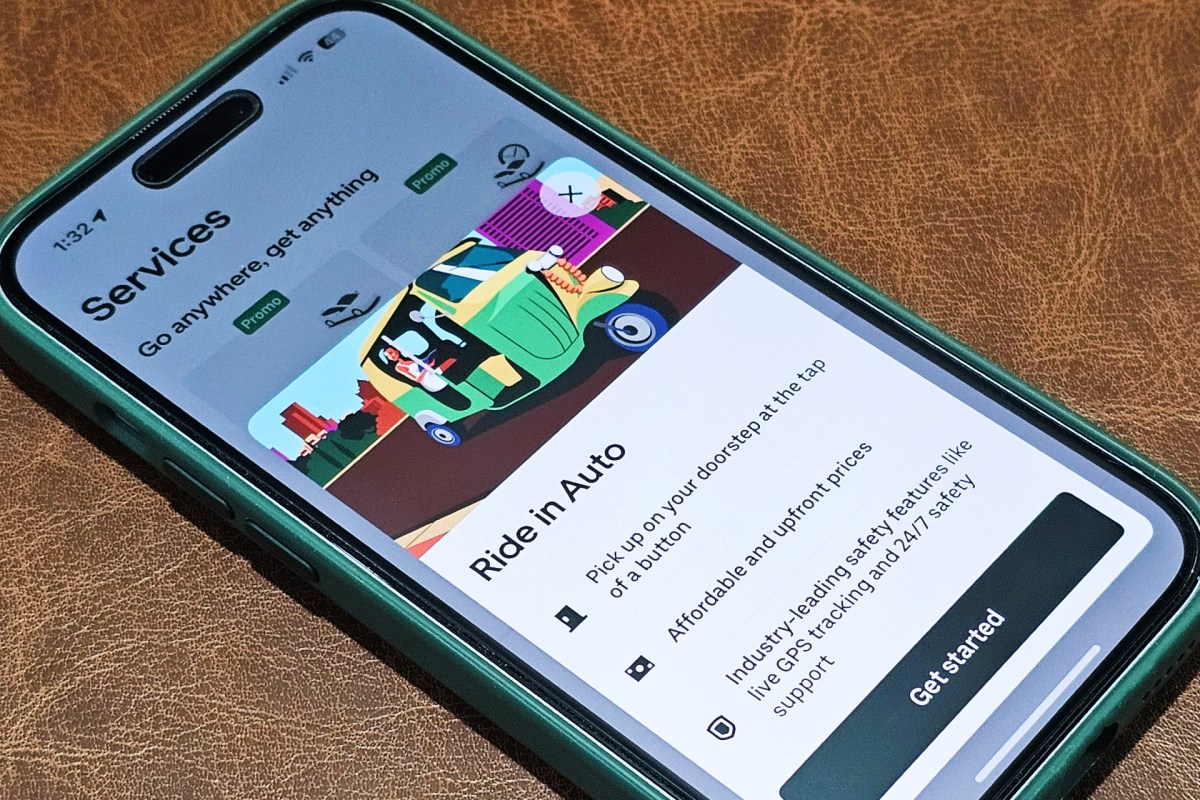
Uber is stepping up its game in India, saying goodbye to its traditional commission-based model for three-wheeled motorized rickshaw drivers in the face of rising competition from local players like Rapido and Namma Yatri. Instead of taking a cut from each ride, Uber will now charge rickshaw drivers a daily fee to access their platform and connect with riders.
This strategic shift marks Uber’s latest effort to adapt its business model in India and improve profit margins. Originally debuting its auto-rickshaw service in 2015, Uber paused the venture, only to relaunch it in 2018. Now, it takes another innovative turn to stay ahead in the market.
India isn’t the singular focus for this model shift. Uber has already implemented similar subscription-based frameworks for bikes and auto-rickshaws in places like Bangladesh and certain Southeast Asian countries. This wide rollout is a testament to Uber’s commitment to exploring varied approaches across different regions.
After testing the waters with pilots, Uber is rolling out this update for all auto-rickshaw drivers in India. With auto rickshaws accounting for up to 25% of motorized travel in the country, it’s a move likely to have significant impact. Previously, Uber’s commissions ranged from 25% to 40% of each ride, but rivals Rapido and Namma Yatri have been attracting drivers with their commission-free, subscription-oriented models.
Now, Uber is embracing it too. Auto-rickshaw drivers can join Uber’s platform by paying a daily access fee ranging from $0.23 to $0.46, depending on their city. In return, drivers handle all fare collections directly, either in cash or via the Indian government-backed Unified Payments Interface (UPI), as Uber ceases to apply its credits, promotions, or cancellation charges to auto trips.
In this new setup, Uber suggests a fare, but drivers can negotiate their own prices with riders, leading to potential haggling. Uber maintains a neutral stance on fare disputes, highlighting a more liberated but less predictable fare system. Safety concerns, however, remain a priority, with riders able to raise issues through the app.
While this model may not extend to countries like the U.S., it aligns with Uber’s broader mission to efficiently connect independent contractors and riders. It’s worth noting that Uber’s four-wheeler operations in India will continue with the existing commission model for now.
To maintain a competitive edge in the bustling Indian transport sector, Uber is also tweaking its traditional ride-hailing services with flexible pricing and multiple ride options in numerous cities. With heavy competition from giants like SoftBank-backed Ola, WestBridge Capital and Nexus Venture Partners-backed Rapido, Google-invested Namma Yatri, and independent rickshaw and taxi drivers, Uber’s latest move is a clear bid to stand out.