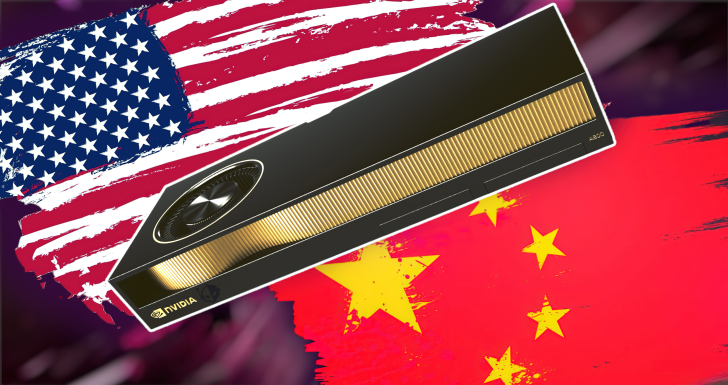
The U.S. Commerce Department is planning to implement measures to curb the flow of advanced AI chips to China from Southeast Asia. Dubbed the “AI Diffusion” policy, this initiative aims to close loopholes that have allowed Chinese firms to access these high-end technologies.
Despite previous export controls, the administration struggles to prevent the transfer of NVIDIA’s premium AI chips to China. Although direct shipments to mainland China have dropped, local AI companies have exploited alternative methods like renting GPUs or sourcing through countries like Malaysia. The Commerce Department is now seeking to address these gaps, as reported by Bloomberg.
Plans are underway to draft regulations limiting China’s access to AI chips via Malaysia and Thailand. Though details are still emerging, potential restrictions could target these nations unless the chips are used by U.S.-based companies with local subsidiaries. This proposal highlights ongoing challenges in striking a balance between economic interests and national security.
Commerce Secretary Howard Lutnick outlined the approach: allowing allies to purchase AI chips if managed by approved American data centers. This reflects a strategic pivot in the Biden administration’s export control policies, aiming to safeguard technological advancements.
Meanwhile, NVIDIA grapples with declining Chinese business as local alternatives like Huawei’s Ascend gain traction. This shift signifies a rapidly changing landscape in global AI capabilities, with significant implications for both the U.S. and China. How this plays out remains a developing story, as both nations navigate the evolving technological arena.