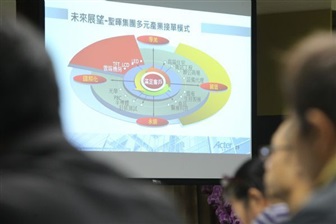
Acter, a leader in cleanroom and turnkey equipment manufacturing, is actively upscaling its investments in Southeast Asia in response to a surge in orders from the region. The Taiwan-based company has signalled a significant boost in deployment within this emerging market, as described by the firm’s chairman Jin-Li Liang. This move came to light during a recent shareholders meeting, marking a strategic expansion of Acter’s global footprint.
The company’s initiative in Southeast Asia showcases Acter’s commitment to meeting the increasing demand for specialized manufacturing equipment. Such developments have broader impacts on the region’s industrial growth, positioning Southeast Asia as a growing hub for high-tech manufacturing.
A Guide to Understanding Acter’s Expansion in Southeast Asia
The investment by Acter into Southeast Asia offers a unique lens into the evolving landscape of the equipment manufacturing industry. For businesses, entrepreneurs, and investors looking to navigate this space, here’s a comprehensive guide that sheds light on the implications and opportunities arising from such a move:
1. Market Analysis: Start by analyzing the Southeast Asian market to understand why it is becoming an attractive destination for high-tech investments. Consider elements such as economic growth, infrastructure development, skilled labor force, and governmental incentives.
2. Identify Growth Sectors: Discover the industries that are experiencing a boom in the region due to such investments. These may include sectors like semiconductor manufacturing, electronics, pharmaceuticals, and biotechnology.
3. Investment Insights: Gain insights on the types of investments that are thriving in Southeast Asia. This includes not only physical infrastructure but also in developing local expertise, research and development, and partnerships with local companies.
4. Technology Adoption: Explore how advancements in cleanroom technology and turnkey solutions are shaping manufacturing processes in the region. Understanding the technological trends can offer ideas for innovation and efficiency improvements in various industries.
5. Local Collaboration: Understand the significance of collaborating with local businesses and stakeholders in Southeast Asia to ensure sustainable growth and mutual benefits.
6. Logistical Considerations: Address the logistical aspects of expanding into Southeast Asia, such as supply chain management, regulatory compliance, and cultural integration.
7. Environmental Factors: Don’t forget the importance of sustainable practices. Investigate how investments focus on not just economic profits but also on environmentally friendly operations.
The current trends indicate that Southeast Asia is undergoing a transformative phase, evolving into a key player on the global manufacturing stage. As companies like Acter increase their investment in the region, it highlights the potential for technology transfer, economic diversification, and the strengthening of supply chains.
For those looking to adapt this information to their daily lives or work, consider monitoring the growth in Southeast Asia for potential investment opportunities, partnerships, or career advancements. The increased activity and investment in the region could yield promising prospects for professionals in engineering, project management, and trade relations.
Continually updating knowledge with recent data and trends will provide new perspectives on global manufacturing dynamics. Whether you are a seasoned industry expert or a curious newcomer, understanding the intricacies of such investments can empower you to make informed decisions in an increasingly interconnected world.