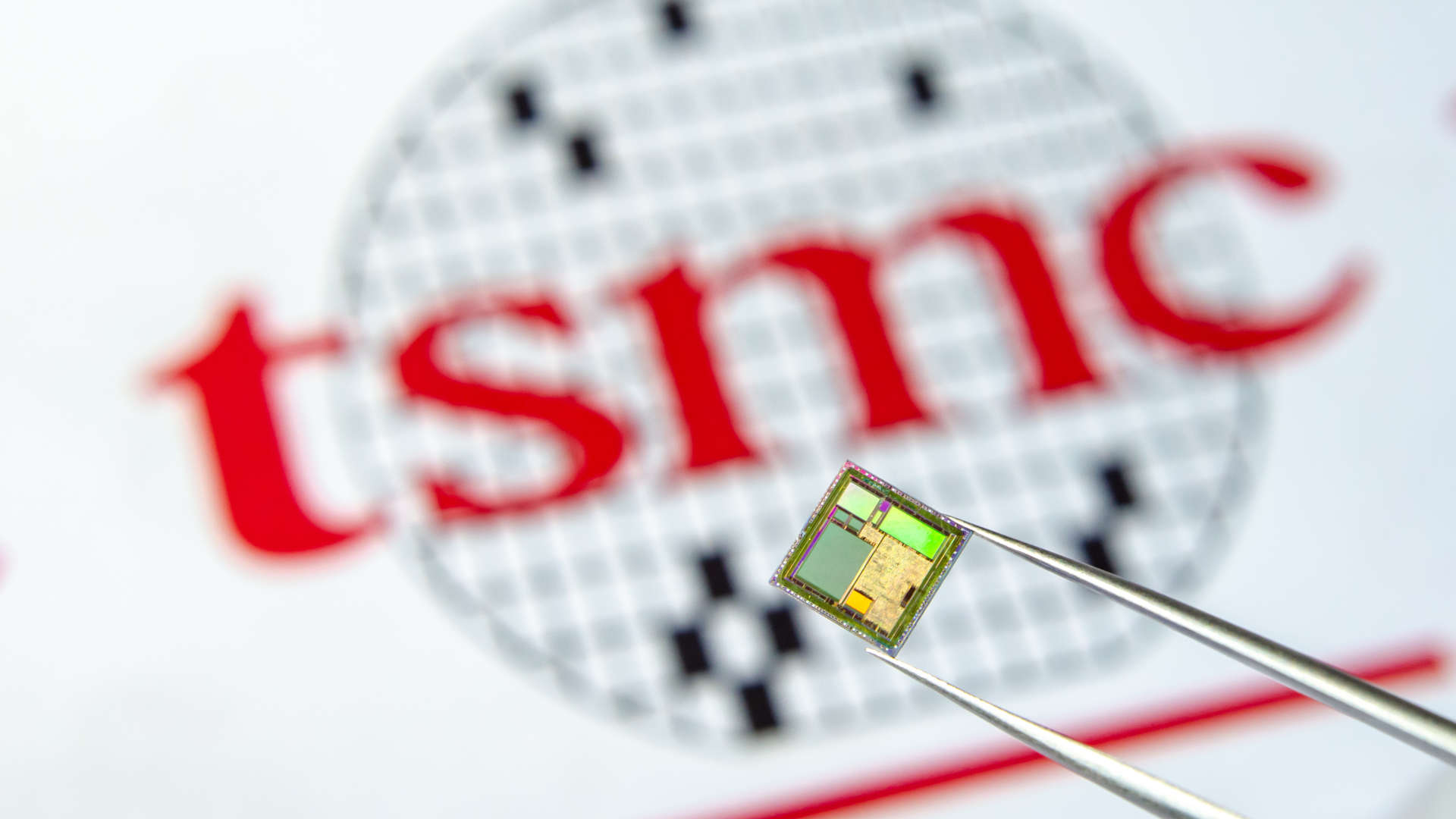
The 2nm chip era is set to kick off next year, and it’s shaping up to be one of the biggest leaps in semiconductor manufacturing in years. Powering that transition will be next-generation mobile chipsets like Apple’s A20 and A20 Pro, with TSMC positioned at the center of the global race to deliver faster performance and better energy efficiency at scale.
TSMC’s push into 2nm is especially notable because it marks a key architectural shift away from FinFET (Fin Field-Effect Transistor), the transistor design that has dominated recent nodes but has reportedly begun to show limitations as processes shrink further. To unlock stronger gains at 2nm, TSMC is moving to GAA, or Gate-All-Around, an approach designed to improve transistor control and reduce power-wasting leakage.
That shift isn’t just a technical footnote—it’s the reason so many chip designers are lining up. With GAA, TSMC’s 2nm process is expected to deliver about a 10–15 percent performance boost at the same power level. Alternatively, it can cut power consumption by around 25–30 percent while maintaining the same performance. For smartphones, PCs, and data center hardware, those are the kinds of improvements that translate into longer battery life, cooler operation, and more headroom for demanding AI and graphics workloads.
Demand has already surged well beyond early capacity plans. Reports previously indicated that two of TSMC’s 2nm fabs were entirely booked, pushing the company to prepare for the construction of three additional facilities—an expansion effort estimated to require about $28.6 billion in investment. Now, new reporting from United Daily News suggests the situation has intensified: TSMC’s entire 2nm capacity for 2026 is said to be fully booked, with mass production expected to begin by the end of that year.
Major names are tied to the 2nm lineup, including Apple, Qualcomm, MediaTek, and AMD, among others. However, one of the biggest reasons supply is tightening so quickly is Apple’s reported strategy to lock down an outsized share of early output. The company is said to have secured more than half of the initial 2nm capacity, a move that could help it maintain a competitive edge as rival chipmakers fight for limited leading-edge wafers.
To meet the market’s appetite, TSMC is reportedly aiming to ramp 2nm output to roughly 100,000 wafers per month by the end of 2026. If achieved, that would make 2nm not only a flagship technology milestone but also a major growth engine for TSMC’s business.
So, what makes GAA such a big deal compared to FinFET? The key advantage lies in nanosheet stacking, which allows more precise control of current flow through the transistor channel. Better control typically means less leakage, improved efficiency, and a stronger balance between performance and power—exactly what chip designers are chasing as workloads grow heavier and energy budgets stay tight.
Competition is heating up as well. Samsung has reportedly already begun mass production of its own 2nm GAA process earlier this year. However, the performance, efficiency, and area improvements disclosed so far haven’t appeared dramatically ahead of the prior 3nm GAA generation, potentially due to yields that aren’t yet fully optimized. Those metrics can improve over time as the process matures, but early ramp challenges are common at bleeding-edge nodes.
Even though Samsung may have an earlier start, TSMC is widely viewed as prioritizing manufacturing quality, stability, and customer readiness over rushing timelines. Looking ahead, forecasts suggest TSMC’s 2026 capital expenditure could climb to roughly $48–$50 billion—a potential record—as it invests aggressively to expand capacity and overcome the engineering barriers that come with the world’s most advanced process technologies.
With 2nm demand already spoken for and the biggest chip buyers jockeying for position, the next two years will likely determine which companies can deliver the fastest, most efficient chips—and which will be forced to wait for the next wave of capacity to come online.