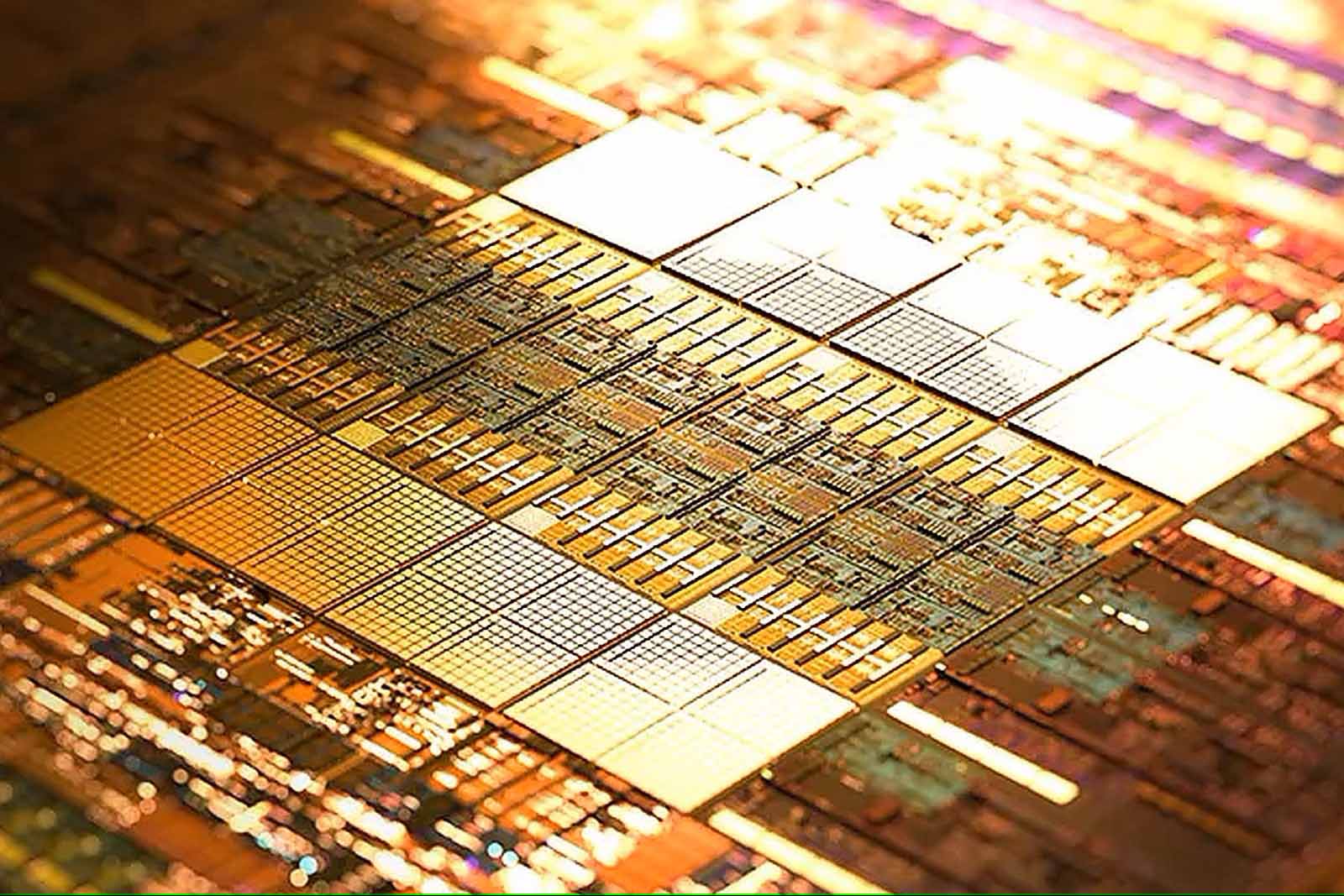
NVIDIA is set to usher in a new era of technological innovation with its upcoming Rubin AI architecture, which will reportedly introduce the company’s first use of SoIC (System-on-Integrated Chip) packaging. This cutting-edge architecture is anticipated to revolutionize the hardware segment by integrating HBM4, a next-generation high-bandwidth memory.
Simultaneously, TSMC is making significant strides to support this technological leap. As reported, the chip manufacturing giant is accelerating the construction of facilities in Taiwan to transition from its existing advanced packaging techniques, like CoWoS, to focus on SoIC. This shift is fueled by the expected demand from tech leaders like NVIDIA, AMD, and Apple, who are all gearing up to launch future solutions featuring this new packaging technology.
For those not familiar with SoIC, it’s an advanced chip stacking method that enables the integration of various chiplets, such as CPUs, memory, and I/O, into one highly efficient package. This innovative approach promises enhanced flexibility in chip design and the optimization of specific applications. The technology is already making waves, having been implemented in AMD’s 3D V-Cache CPUs, which stack additional cache memory atop the processor die. Now, it seems NVIDIA and Apple are poised to leverage SoIC’s capabilities in their forthcoming products.
NVIDIA’s Rubin lineup aims to capitalize on SoIC’s potential with the introduction of the Vera Rubin NVL144 platform. This will feature dual reticle-sized chips and offer an impressive 50 PFLOPs of FP4 performance, along with 288 GB of HBM4 memory. Its more advanced counterpart, the NVL576, is set to boast a Rubin Ultra GPU with four reticle-sized chips, delivering up to 100 PFLOPs of FP4 and a staggering 1 TB of next-gen HBM4e memory across 16 sites.
TSMC’s commitment to SoIC is matched by Apple, another prominent client. Apple’s next-generation M5 chip is rumored to adopt SoIC packaging, signaling its integration into the company’s evolving “in-house” AI servers. While details about the M5 chip remain sparse, it is expected to feature prominently in upcoming versions of iPads and MacBooks.
TSMC plans an ambitious ramp-up, projecting production volumes for SoIC packaging to reach 20,000 units by late 2025. Nonetheless, the focus on CoWoS will persist until NVIDIA’s Rubin architecture is officially released, which is anticipated between late 2025 and early 2026. This strategic transition underscores the growing importance and demand for SoIC in future technological advancements.