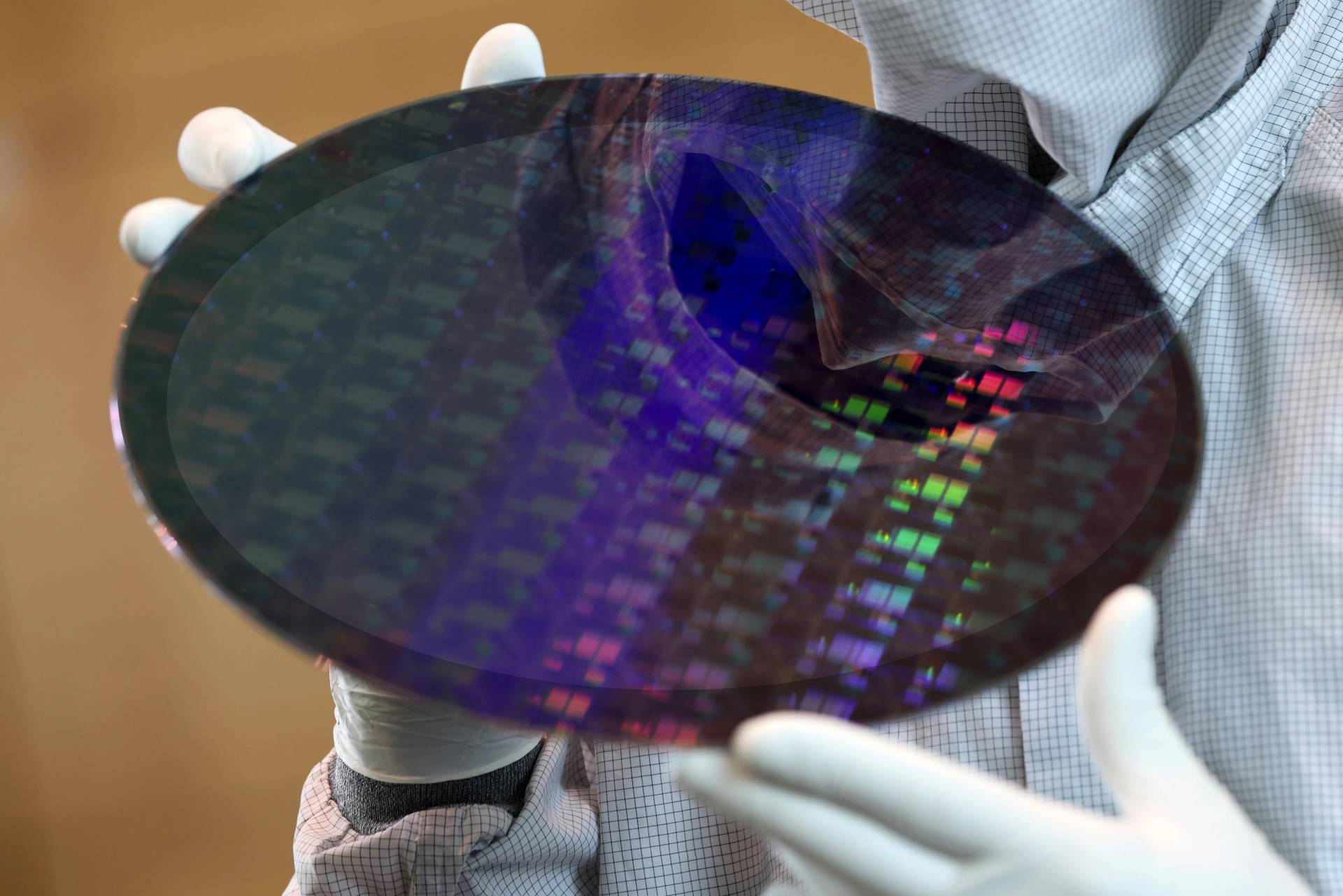
TSMC wafer prices are expected to rise in 2027, adding new pressure to chipmakers already dealing with higher costs across the semiconductor supply chain. The world’s largest contract chip manufacturer is reportedly preparing price increases of around 5% to 10%, depending on the manufacturing node.
The move comes shortly after fresh attention on TSMC’s massive investment plans in the United States, including a proposed $100 billion expansion tied to advanced chip production. While global demand for semiconductors remains strong, the cost of producing them is climbing quickly, and TSMC appears ready to pass part of that burden on to its customers.
The expected price hike will not be limited to the most advanced chip technologies. Older manufacturing processes such as 28nm, 16nm, and 12nm are also said to be included. That matters because legacy nodes are still widely used in products such as cars, industrial equipment, networking devices, consumer electronics, and many everyday gadgets.
At the same time, advanced processes below 7nm are also expected to become more expensive. These cutting-edge nodes are essential for modern smartphones, AI processors, data center chips, and high-performance computing hardware. If prices rise across both older and newer technologies, the impact could be felt throughout the entire electronics industry.
Discussions with customers reportedly began in June and wrapped up in July. TSMC has framed the move as part of a long-term business strategy rather than a short-term attempt to take advantage of market conditions. The company has emphasized that its pricing reflects the value it provides to customers, especially as chip manufacturing becomes more complex and capital-intensive.
TSMC CEO C.C. Wei has also indicated that the company does not plan to follow the aggressive pricing behavior sometimes seen in the memory chip market. However, even a 5% to 10% increase can be significant for major technology companies, especially when they are already facing rising DRAM prices and higher component costs.
The main reason behind the planned increase appears to be financial strain across the semiconductor supply chain. Materials are becoming more expensive, advanced manufacturing tools cost billions of dollars, and building new fabrication plants in overseas markets requires enormous investment. These factors are making it harder for foundries to maintain margins without adjusting wafer pricing.
The report does not clearly state whether TSMC’s upcoming 2nm process will be part of the price increase. If it is included, major chip designers such as Apple, Qualcomm, and MediaTek could face additional challenges as they prepare next-generation processors for smartphones, tablets, and other premium devices.
NVIDIA may also be affected in the future, as the company is expected to use newer TSMC manufacturing technologies for upcoming AI and graphics processors. With demand for AI chips continuing to surge, higher wafer prices could influence the cost of data center hardware, gaming GPUs, and other high-performance computing products.
If TSMC’s pricing rises, some customers may look more seriously at alternative foundry options. Samsung’s 2nm gate-all-around technology could become more attractive to companies seeking competitive pricing or additional production capacity. However, switching foundries is not simple, especially for advanced chips that require years of design work, optimization, and validation.
For consumers, the immediate effect may not be obvious, but higher wafer prices can eventually influence the cost of phones, laptops, gaming hardware, servers, and connected devices. Companies may absorb some of the increase, but in many cases, higher production costs eventually make their way into final product pricing.
TSMC remains the dominant force in advanced semiconductor manufacturing, and its pricing decisions can shape the direction of the entire tech industry. With demand for AI, mobile processors, automotive chips, and high-performance computing continuing to grow, the company’s expected 2027 wafer price hike could become a major factor in the next wave of electronics pricing and chip supply planning.