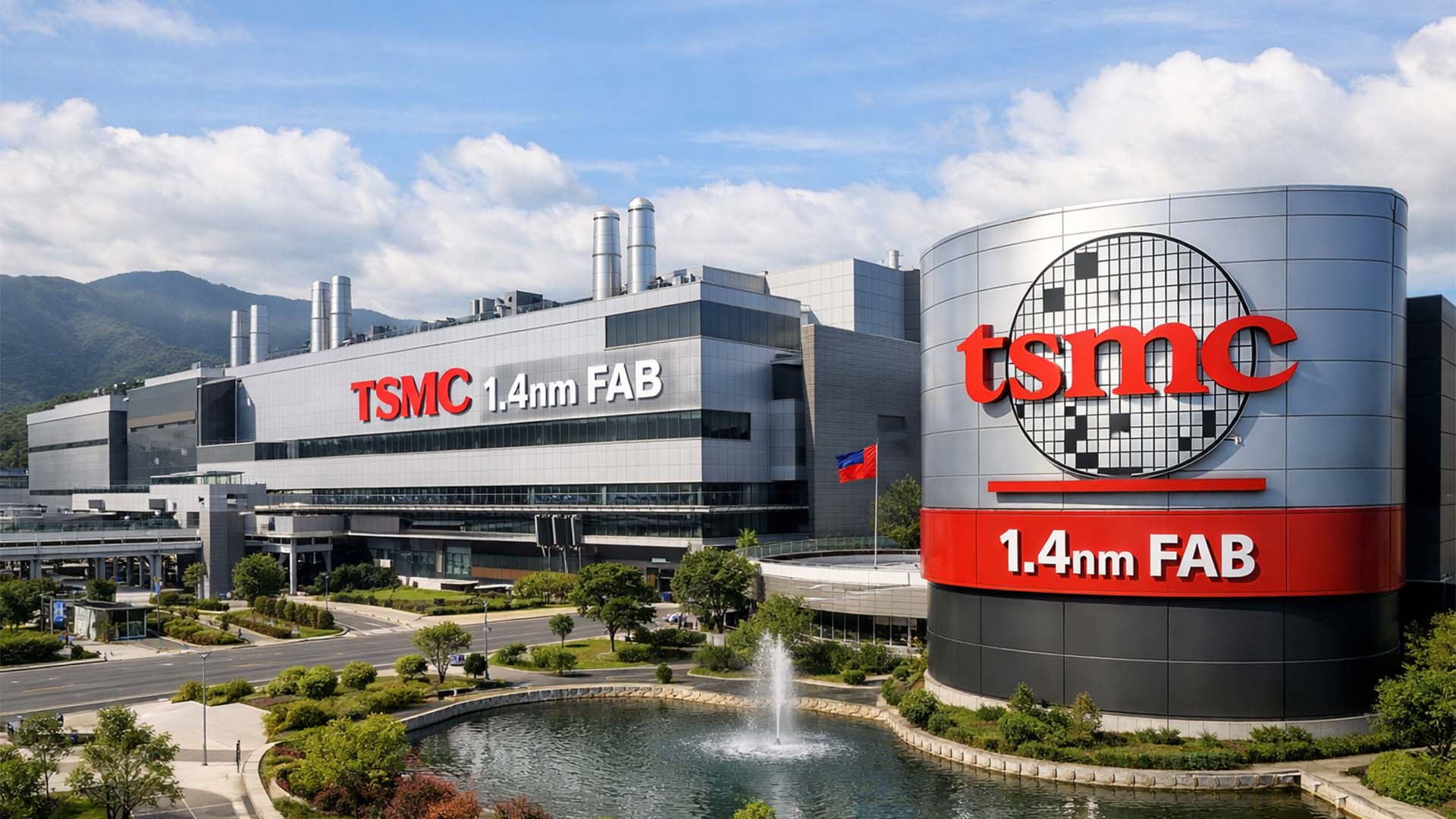
TSMC Plans Another $100 Billion Investment in U.S. Chip Manufacturing
Taiwan Semiconductor Manufacturing Company is preparing to deepen its commitment to semiconductor production in the United States with an additional $100 billion investment, company management confirmed during its latest earnings call.
The move would bring TSMC’s total planned U.S. investment to about $265 billion, marking one of the largest semiconductor manufacturing commitments ever made in the country. The company had previously outlined $165 billion in U.S. chipmaking investments, including earlier plans tied to advanced manufacturing expansion.
TSMC, the world’s largest contract chipmaker, plays a critical role in the global technology supply chain. Its chips power everything from smartphones and laptops to data centers, AI accelerators, and high-performance computing systems. As demand for artificial intelligence hardware continues to surge, the company’s U.S. expansion is becoming increasingly important for customers seeking more resilient and geographically diverse production capacity.
According to the announcement, the new funding is expected to support the construction of four additional chip facilities in the United States. These plants will focus not only on semiconductor manufacturing but also on chip packaging, a key final-stage process where chips are assembled into products ready for use in computers, servers, and other electronic devices.
Chip packaging has become especially important during the AI boom. As companies race to build more powerful AI systems, demand for advanced processors and related components has placed pressure on every part of the semiconductor supply chain. Packaging capacity, in particular, has emerged as a major constraint for AI chip production.
TSMC CEO C. C. Wei said the investment is expected to strengthen the U.S. semiconductor ecosystem, improve supply chain resilience, and support the creation of more high-tech, well-paying jobs across the country. However, he also noted that the timing and scale of the newest phase of expansion will depend on market conditions.
That cautious approach reflects the realities of semiconductor manufacturing. Building chip fabrication plants is an expensive and time-consuming process that can take several years from planning to full production. Companies must carefully balance long-term demand expectations with the massive costs involved in constructing and equipping advanced fabs.
Still, TSMC appears confident in the long-term outlook for AI-related demand. During the earnings call, Wei said the company continues to receive strong signals from customers and their customers, particularly cloud service providers. These companies are among the biggest buyers of AI infrastructure and are investing heavily in data centers, accelerators, and high-performance computing platforms.
Wei added that TSMC’s confidence in the multi-year AI growth trend remains very high, suggesting the company expects artificial intelligence to remain a major driver of semiconductor demand for years to come.
Despite the growing U.S. investment, TSMC’s most advanced chip production remains centered in Taiwan. The company currently manufactures its leading-edge products, including chips based on its 2-nanometer process technology, in Taiwan. These advanced nodes are often used for power-efficient processors found in smartphones, laptops, and other compact devices.
Meanwhile, many high-power chips, including AI graphics processors and accelerators, are typically produced using slightly older but still highly advanced technologies such as 4-nanometer manufacturing. These nodes remain essential for data center AI hardware, where performance, efficiency, and production capacity are all critical.
TSMC’s expanded U.S. footprint could help reduce dependence on overseas semiconductor production while giving American technology companies closer access to advanced manufacturing and packaging capacity. The investment also aligns with broader efforts to strengthen domestic chip production as semiconductors become increasingly vital to economic growth, national security, cloud computing, and artificial intelligence.
If completed as planned, the additional facilities would significantly boost America’s role in global chip manufacturing and reinforce TSMC’s position at the center of the AI hardware supply chain. For now, the company is signaling both ambition and caution: it is ready to invest heavily in the future of U.S. semiconductor production, but it will pace that investment according to customer demand and broader market conditions.