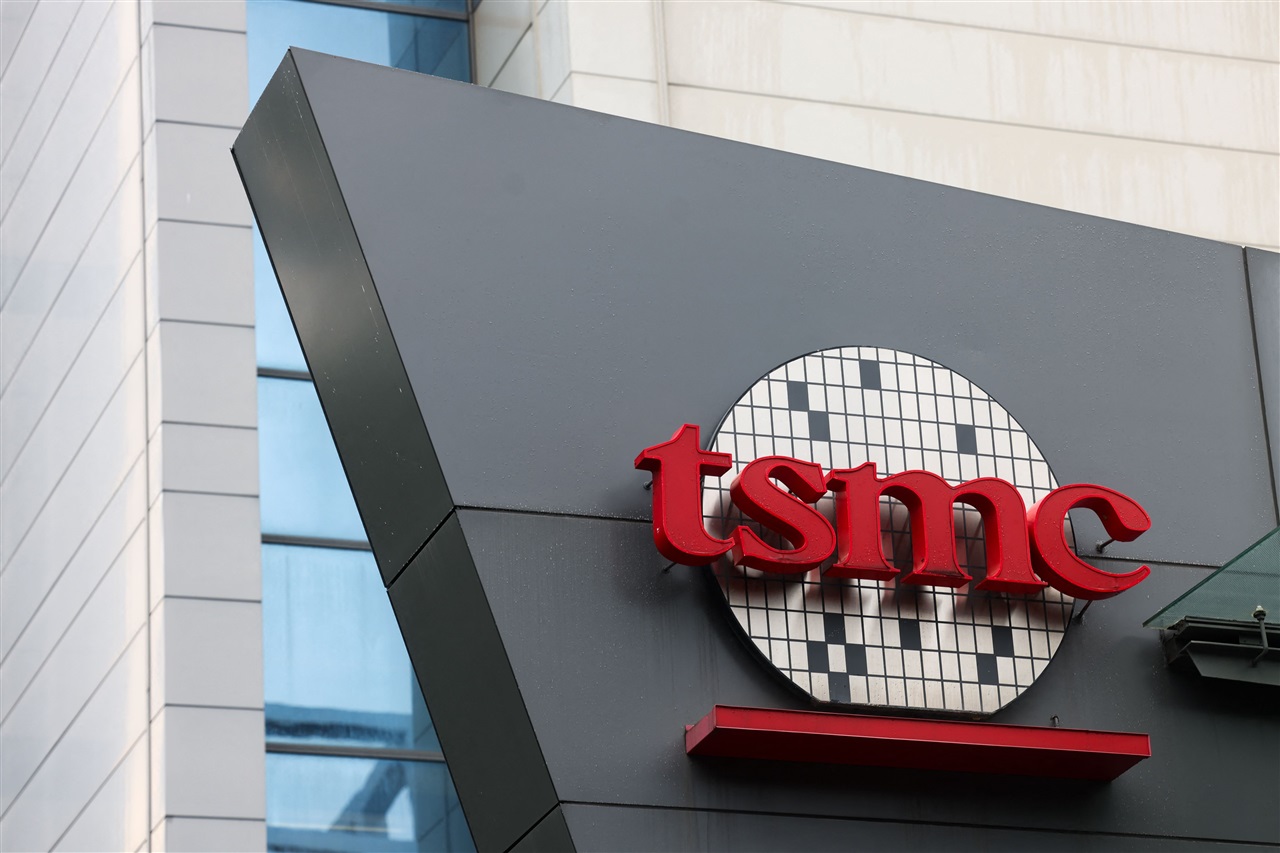
Taiwan Semiconductor Manufacturing Company (TSMC), a global leader in semiconductor production, is enforcing new shipment restrictions on Chinese integrated circuit (IC) design firms. This move aligns with escalating trade tensions between the United States and China. Starting January 31, 2025, TSMC will only ship products utilizing 16/14nm and below technologies if they are packaged by a US Bureau of Industry and Security (BIS)-certified third-party OSAT (Outsourced Semiconductor Assembly and Test) provider. A certified copy of this approval must accompany these shipments, with any missing documentation leading to delayed deliveries.
Chinese IC design companies are facing a critical moment due to this directive. Those already engaging with US-approved packaging partners will navigate this transition with minimal disruption. However, firms without these certified partners may experience significant delays and operational challenges.
Industry insiders reveal that many Chinese companies are now compelled to fully outsource key operations, including fabrication, packaging, and testing, under tight regulatory scrutiny. This externally imposed limitation complicates their supply chain logistics and reduces their operational control.
These developments follow Washington’s directive in November 2024 when US authorities asked TSMC to halt shipments of 7nm and more advanced chips to Chinese clients involved in artificial intelligence and graphics processing units. The recent regulations introduced in January 2025 further restrict these exchanges, prompting TSMC’s policy adjustments.
In the immediate future, these restrictions will likely disrupt production schedules and extend delivery timelines for Chinese IC design firms. The ability of these firms to maintain their customer base and competitive edge may be compromised. As a response, companies will need to invest more in finding alternative packaging solutions and reconfiguring their supply chains.
Despite these immediate hurdles, the restrictions might serve as a catalyst for China to accelerate its ambitions for semiconductor independence. Local wafer fabrication and OSAT providers might experience a surge in demand as Chinese companies seek to circumvent foreign reliance. Furthermore, there is potential for increased focus on research and development to innovate more advanced chip architectures, reducing the dependency on international foundries and services. This could mark a pivotal turn towards greater self-sufficiency in China’s semiconductor industry.