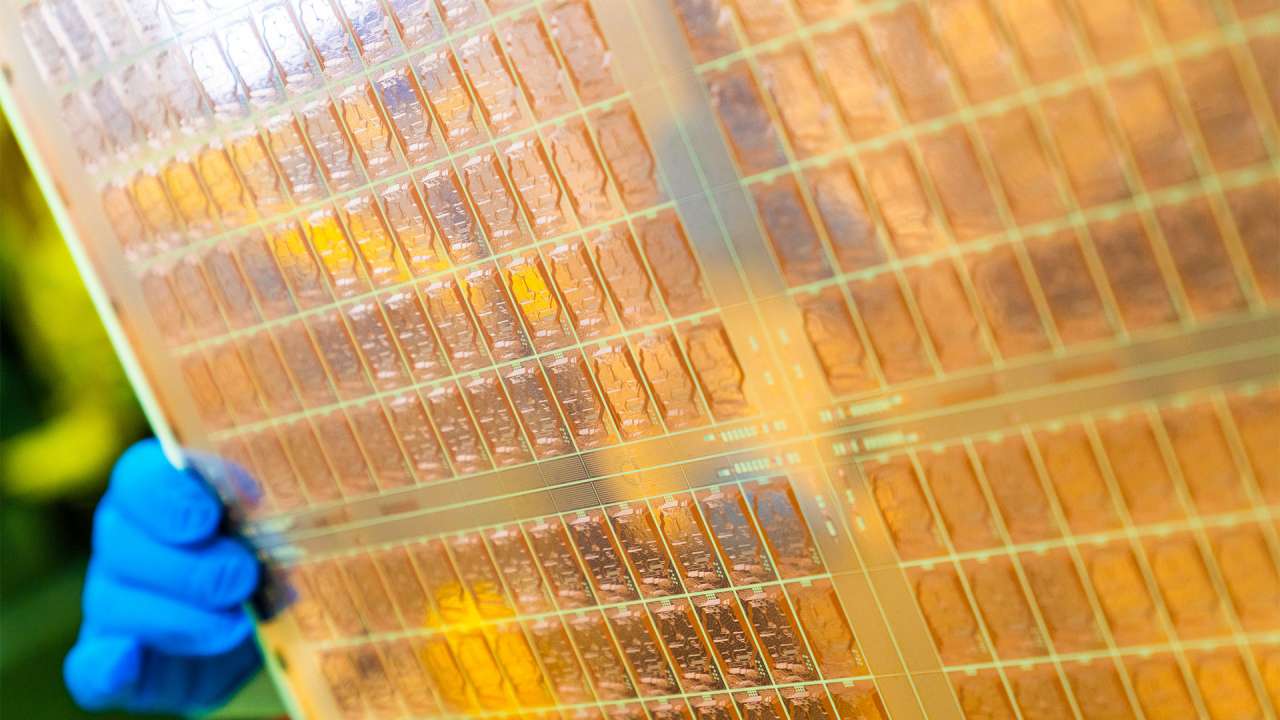
Glass substrates are gaining attention in the semiconductor market as major companies like TSMC, Intel, and NVIDIA push to advance their R&D in this area. These companies are prioritizing glass substrate technology for future chip development due to its potential to enhance performance as AI markets continue to grow.
Mainstream chipmakers are diving into the “glass substrate” race, with Taiwanese suppliers seizing the opportunity. NVIDIA plans to use this technology in their future chips to keep up with advancements in AI and other technological fields. Glass substrates are seen as the next step beyond traditional CoWoS packaging, providing benefits such as increased die size and higher transistor per area ratios.
A report mentions that major players like TSMC, Intel, Samsung Electronics, and Huawei are heavily investing in glass substrate R&D. Despite the technology being in its early stages, Intel is reportedly leading the pack, having unveiled its glass substrate plans over a decade ago and possessing capabilities for mass production.
For instance, an Intel employee displayed a test system-on-chip built on a glass substrate at an Intel facility in Arizona in December 2023. Following this, Intel launched Intel Foundry in February 2024, marking itself as a leader in technology, resiliency, and sustainability for the AI era.
TSMC is also developing glass substrates for future FOPLP packaging, driven by demands from NVIDIA. This collaboration is expected to bring significant advantages, particularly in terms of die size and efficiency. Despite Intel’s head start, TSMC’s established reputation and client trust ensure it remains a formidable contender in this space.
Taiwanese manufacturers view glass substrates as a future investment, leading companies like Titanium to form alliances and consolidate glass substrate equipment makers into a unified group known as “E Core”.
As AI technology evolves, glass substrates are poised to become crucial components. Industry experts foresee these solutions hitting the market between 2025 and 2026, with Intel and TSMC at the forefront of this technological shift.