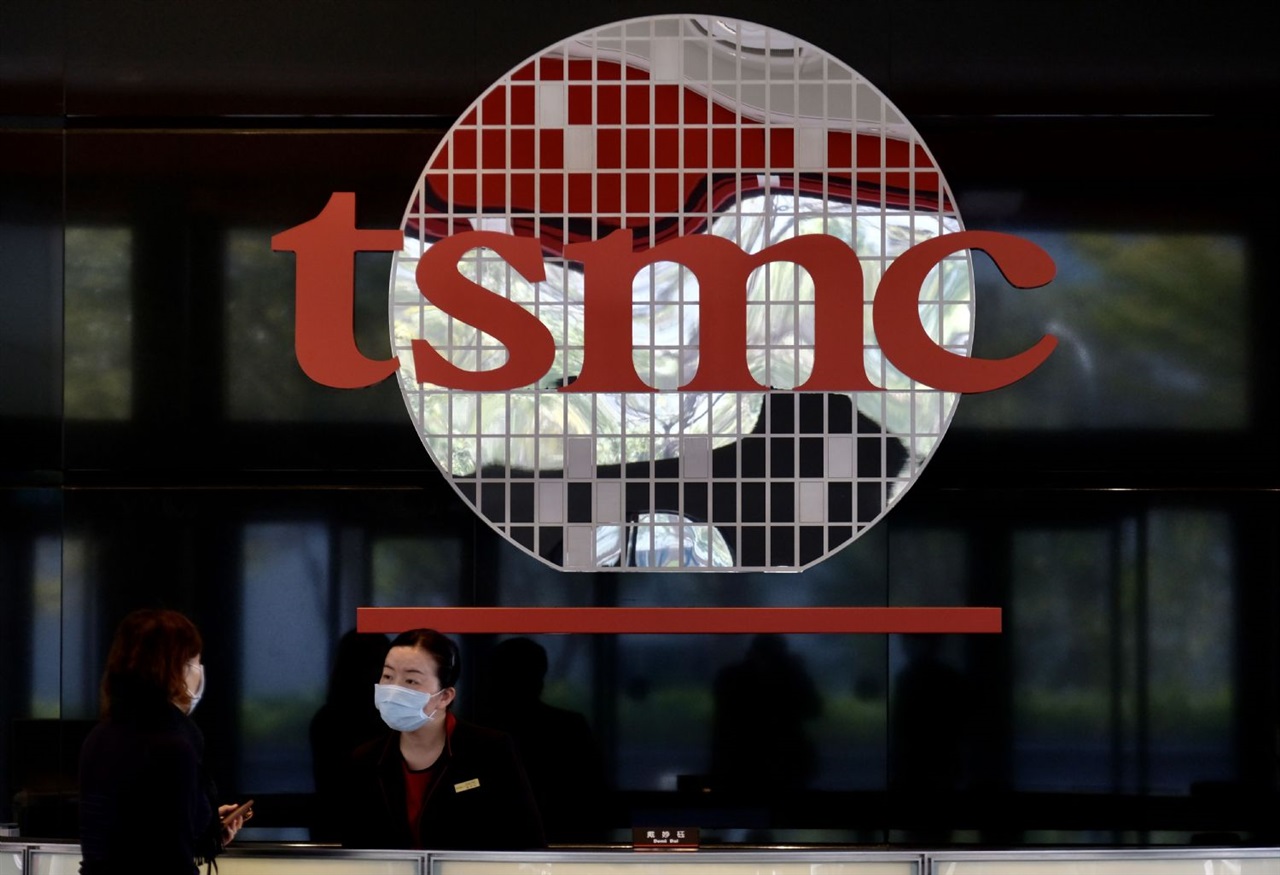
According to a report, the US government may be considering imposing a significant penalty of 1 billion dollars on TSMC. This arises from allegations that TSMC’s chips have found their way into Huawei’s advanced AI technologies, something the US is keenly observing as it affects broader geopolitical and technological dynamics. This potential fine reflects the escalating pressure the US is placing on companies to ensure that their technologies are not inadvertently aiding Huawei amidst ongoing trade tensions. This scenario places TSMC in a challenging position as it attempts to navigate these complex international relations while maintaining its operations and global business relationships.
With the stakes so high, TSMC might find itself needing to implement even more stringent measures to monitor and control the end-use of its products to prevent such situations in the future. This incident signifies the growing influence of geopolitical factors on global tech industries, where regulatory compliance and international trade policies become crucial determinants of business success. As the situation unfolds, stakeholders from industry giants to consumers will be watching closely, aware that this could set a precedent for how technology firms conduct cross-border collaborations and manage compliance in an increasingly interconnected world.