As the global digital economy continues to grow, the strategic importance of semiconductor technology, particularly in the field of artificial intelligence (AI), cannot be understated. With this in mind, recent considerations by the United States to implement more stringent controls on China’s access to critical chip technology are making headlines.
The US government, recognizing the integral role that advanced semiconductors play in AI and other cutting-edge technologies, is examining additional measures to regulate the export of these vital components to China. This step is a testament to the ongoing geopolitical tug-of-war for technological supremacy, with AI at the center of this modern arms race.
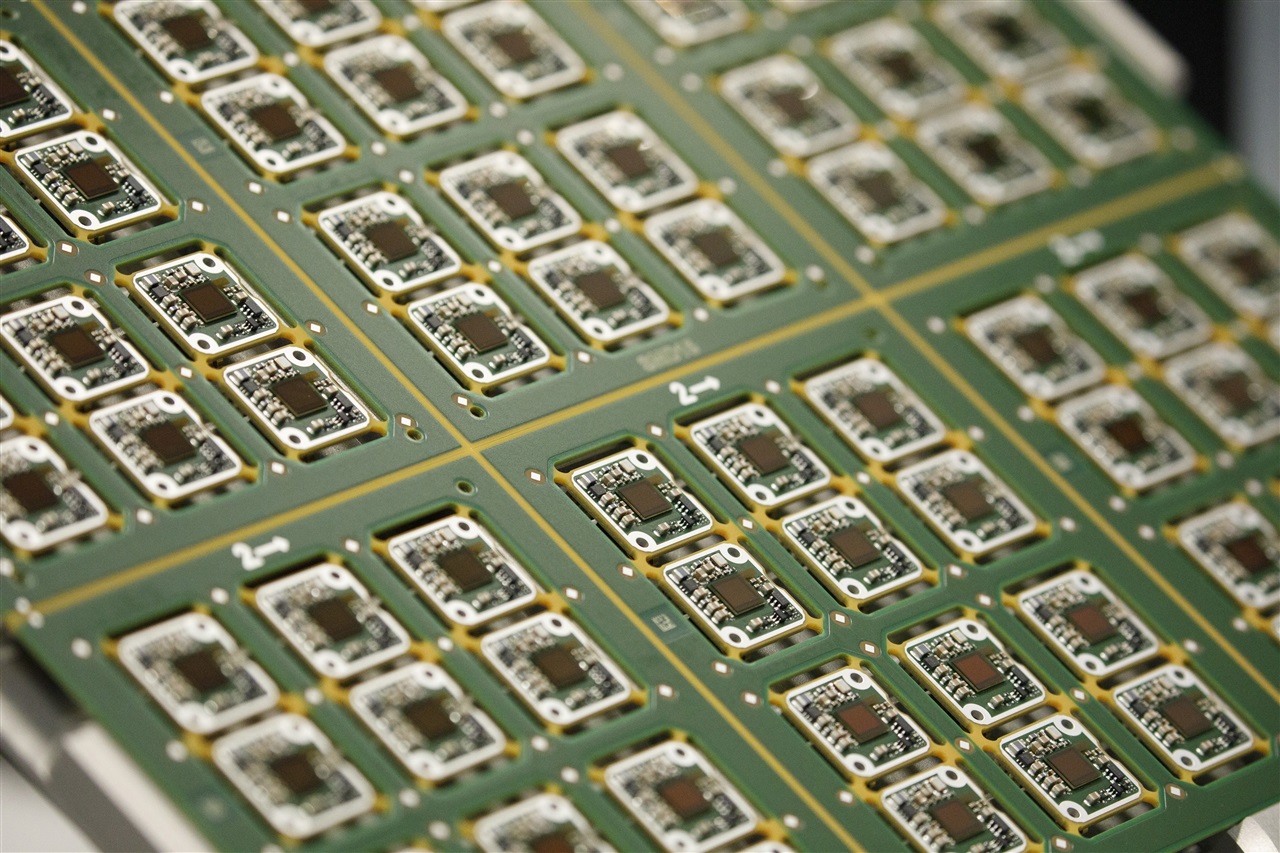
Semiconductors are the backbone of electronics, given their essential function in the processing and storage of electronic information. Advanced chips, which are capable of supporting sophisticated AI algorithms, have become a focal point of control due to their applications in everything from military systems to economic infrastructure.
To navigate the implications of the United States’ contemplation to further limit China’s chip access, it is helpful to understand the underlying reasons and potential outcomes.
### Understanding the Strategic Move
There are several factors motivating the U.S. government’s action:
– **National Security:** Advanced semiconductors can be employed in military technologies, and the U.S. is concerned about the potential for these chips to bolster China’s defense capabilities.
– **Economic Protections:** The U.S. semiconductor industry is a global leader and restricting access to these chips could be a way to maintain this competitive advantage.
– **AI Race:** As AI technology progresses, controlling access to the necessary hardware becomes a way to lead the AI domain.
### Potential Impacts
Limiting China’s access to advanced semiconductor technology could have several repercussions:
– **Innovation Race:** A scarcity of chips could hamper China’s progress in developing its AI capabilities.
– **Supply Chain Issues:** Further restrictions might exacerbate existing supply chain disruptions, affecting tech industries globally.
– **Political Relations:** The measure could increase tensions between the United States and China, impacting other areas of international cooperation.
### Practical Advice for Stakeholders
For individuals and businesses affected by these potential changes, there are actionable steps to consider:
1. **Diversify Suppliers:** Companies should look to diversify their sources of semiconductors to mitigate risks associated with supply chain disruptions.
2. **Invest in R&D:** Developing homegrown tech and investing in alternative semiconductor technologies may provide a long-term solution.
3. **Stay Informed:** Keeping up with policy changes and understanding their implications will be critical for strategic planning.
### Engaging with the Trend
For those interested in the broader implications of this technological tug-of-war, there are several ways to engage:
– **Follow Legal Developments:** Tracking new regulations will provide insight into future market dynamics.
– **Industry Analysis:** Stay up-to-date with market analysis to anticipate industry shifts and opportunities.
– **Public Debate:** Engage in or follow discussions regarding the ethical and strategic considerations of AI development and hardware restrictions.
In conclusion, the U.S. contemplating more limits on China’s access to chips required for AI represents a significant turn in the ongoing competition for technological prowess. As the situation develops, it will undeniably impact various sectors, from the direct tech industry to the global economic and political landscape. Whether you’re a stakeholder in the tech world or an informed observer, staying alert to these developments will be key to understanding the future of international relations and technological advancement.


