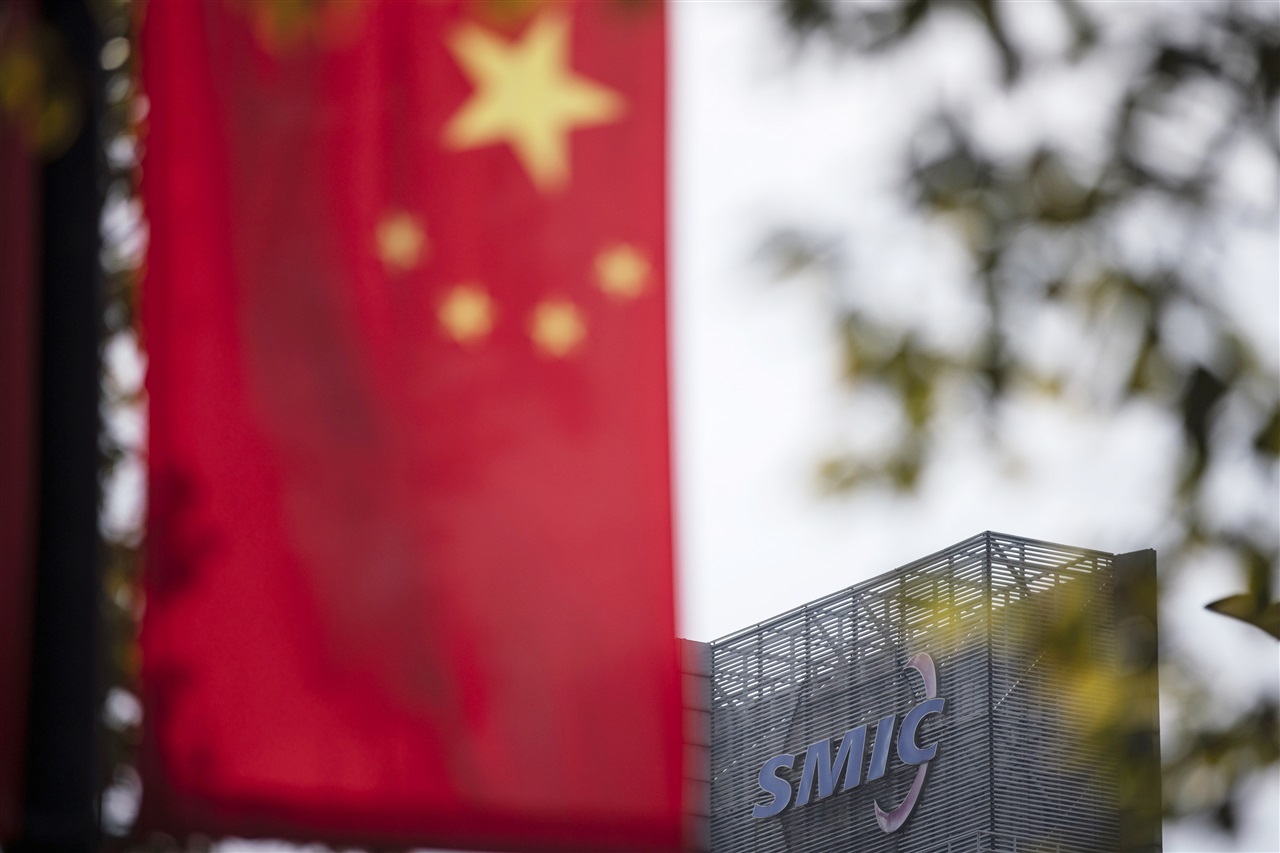
As the global semiconductor landscape becomes increasingly competitive and geopolitical tensions rise, China’s largest foundry, Semiconductor Manufacturing International Corp. (SMIC), is accelerating its efforts to expand production capacity. This strategic move is ostensibly in response to tightening restrictions imposed by the United States and its allies on China’s access to cutting-edge foreign technologies, which are part of a broader tech-centered struggle for supremacy.
In the high-stakes arena of global chip manufacturing, where technological advances and production capabilities determine international leverage, companies and countries are seeking to solidify their standing. For China, bolstering domestic semiconductor production is essential, especially as chips are the cornerstone of everything from consumer electronics to military hardware.
**Expansion amid Restrictions**
China’s semiconductor industry has been disrupted by trade policies that have strategically curtailed its ability to import certain semiconductor technologies—specifically those associated with chip production—with advanced processing nodes. SMIC, being at the forefront of China’s ambition to achieve self-reliance in semiconductor production, is seen channeling its resources into enhancing capacity, thus enabling more resilient supply chains.
**Implications for Global Dynamics**
The strategic acceleration of capacity buildout by SMIC signals potential shifts in the semiconductor market. Increasing capacity could not only satisfy China’s domestic demands but also potentially allow it to reduce its dependency on foreign imports, which has been a key vulnerability amid the trade tensions.
Moreover, the expansion of SMIC might introduce new dynamics in terms of global semiconductor supply and pricing. With more chips entering the market from China, other chip-making nations and companies might experience shifts in demand and face new competition.
**Navigating the Chip War**
Each move in the semiconductor chess game can have widespread consequences, and industry observers are watching closely. Having a robust semiconductor industry is crucial for any economy, particularly as we see technology further integrate into the fabric of modern society. Nations are considering strategies to secure their technological futures, which include fostering domestic industries and forming strategic international alliances.
**Looking Ahead**
Global market players will be adapting to the changes emanating from China’s advancements. For companies relying on semiconductors, this is a time to reevaluate supply chains and partnerships. They might look into diversifying sources or investing in innovation to counterbalance market shifts.
Similarly, individual professionals in the tech sector should stay abreast of these developments as they could herald new opportunities or necessitate strategic career shifts, particularly in areas related to semiconductor research, design, and manufacturing.
For policymakers and corporate strategists alike, understanding China’s trajectory in the semiconductor industry and analyzing its impacts on the global tech stage is imperative. It’s essential to monitor how domestic capacity expansions and international policies converge to shape the future of not just the semiconductor industry, but also wider technological progress and geopolitical power structures.
In conclusion, China’s bid to become more self-reliant in chip manufacturing through SMIC’s capacity expansion underscores the critical nature of semiconductor prowess in our modern era. Stakeholders across industries and governments must thoughtfully navigate the evolving ‘chip war’ to ensure progress, stability, and competitive advantage in a world where technology is increasingly synonymous with power.