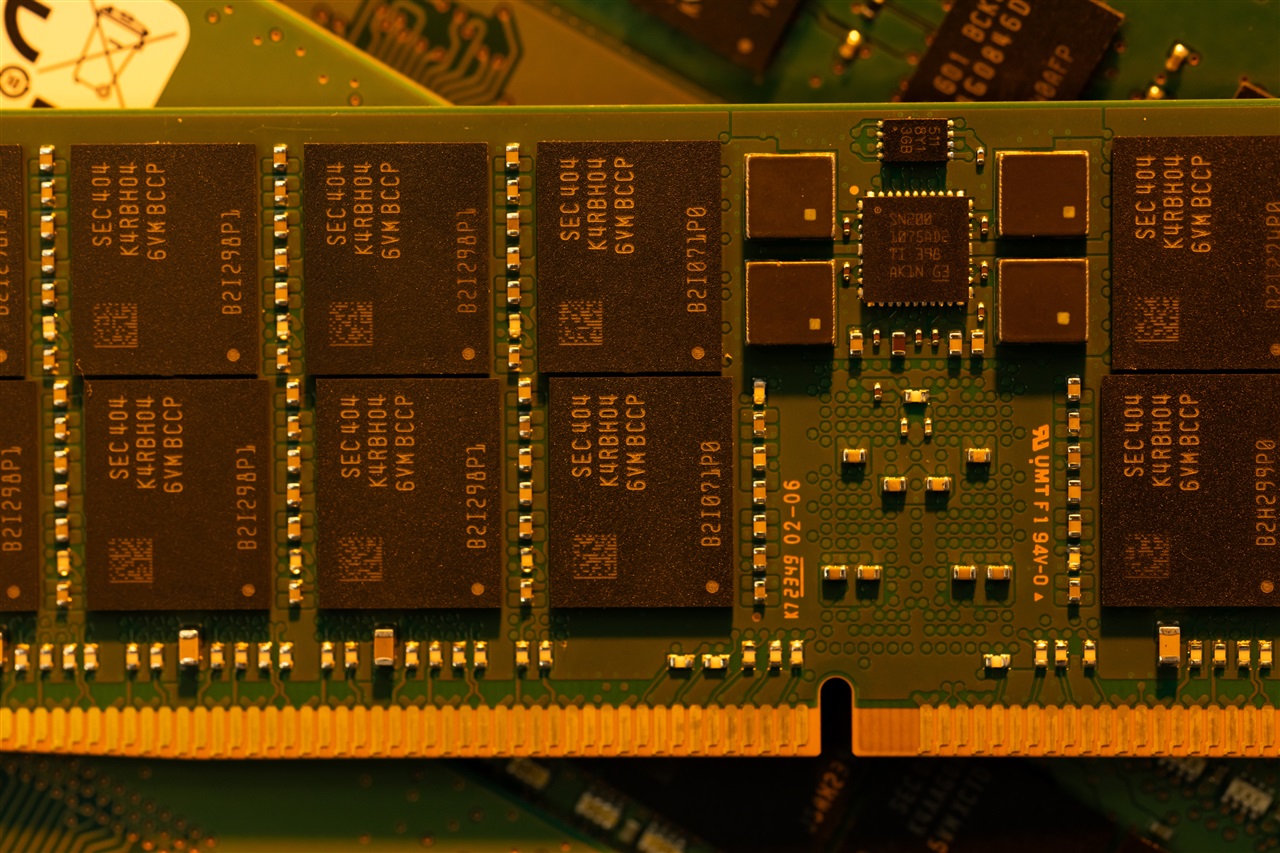
Surge in Semiconductor Export Prices Boosts South Korea’s Economy
The semiconductor industry has witnessed a significant leap in South Korea, with the export prices of chips soaring to unprecedented levels in May. This surge is primarily attributed to the robust demand for artificial intelligence (AI) technologies, which has invigorated South Korea’s economic landscape.
Semiconductors are at the heart of modern electronics, powering everything from smartphones to sophisticated AI algorithms. South Korea, a global leader in the semiconductor market, has experienced a substantial boost in their export value. This rise in prices reflects not only the country’s manufacturing acumen but also the global market’s insatiable appetite for advanced computing capabilities.
The AI revolution is driving immense demand for high-performance chips. Innovations in machine learning, autonomous vehicles, and smart technology necessitate powerful processors, and South Korea’s cutting-edge semiconductor industry is responding to these needs.
To understand this phenomenon and its implications, we need to delve into the factors contributing to the price surge and what it means for South Korea’s economy and the global electronics market.
Understanding the Semiconductor Price Surge
Several factors contribute to the record increase in semiconductor export prices from South Korea:
– **AI Adoption**: The integration of AI across various industries has led to a steep increase in the demand for semiconductors that can handle complex computations.
– **Supply and Demand Dynamics**: The pandemic-induced supply chain disruptions have tightened the supply of chips, while demand continues to rise, contributing to higher prices.
– **Technological Advancements**: As technologies evolve, the semiconductor industry must produce more sophisticated chips, often resulting in premium pricing.
Economic Impact of the Chip Price Increase
The semiconductor price hike has the following economic implications for South Korea:
– **Trade Surplus**: Increased export prices have the potential to widen South Korea’s trade surplus, positively affecting its balance of payments.
– **Industry Growth**: Higher profits from chip exports can lead to reinvestment in research and development, accelerating industry growth and innovation.
– **National Competitiveness**: A strong semiconductor industry enhances South Korea’s global economic competitiveness.
Practical Advice for Stakeholders
Stakeholders in the semiconductor industry, including investors, manufacturers, and end-users, should consider the following steps:
– **Strategic Investments**: Invest in companies at the forefront of semiconductor innovation and poised to benefit from AI advancements.
– **Supply Chain Resilience**: Develop robust supply chain strategies to navigate and mitigate the impact of global chip shortages.
– **Product Development**: For tech companies, focus on developing products that maximize the capabilities of advanced semiconductors to stay ahead of the competition.
Looking Towards the Future
The increasing chip prices, driven by the booming AI sector, highlight a trend that is likely to continue as technology becomes even more embedded in everyday life. Stakeholders should stay abreisureast of the latest developments, adapt their investment and production strategies accordingly, and explore new ways to leverage semiconductors’ potential in various applications.
By recognizing the significance of these trends, individuals and businesses can capitalize on the evolving market dynamics, contributing to technological progress and economic prosperity.


