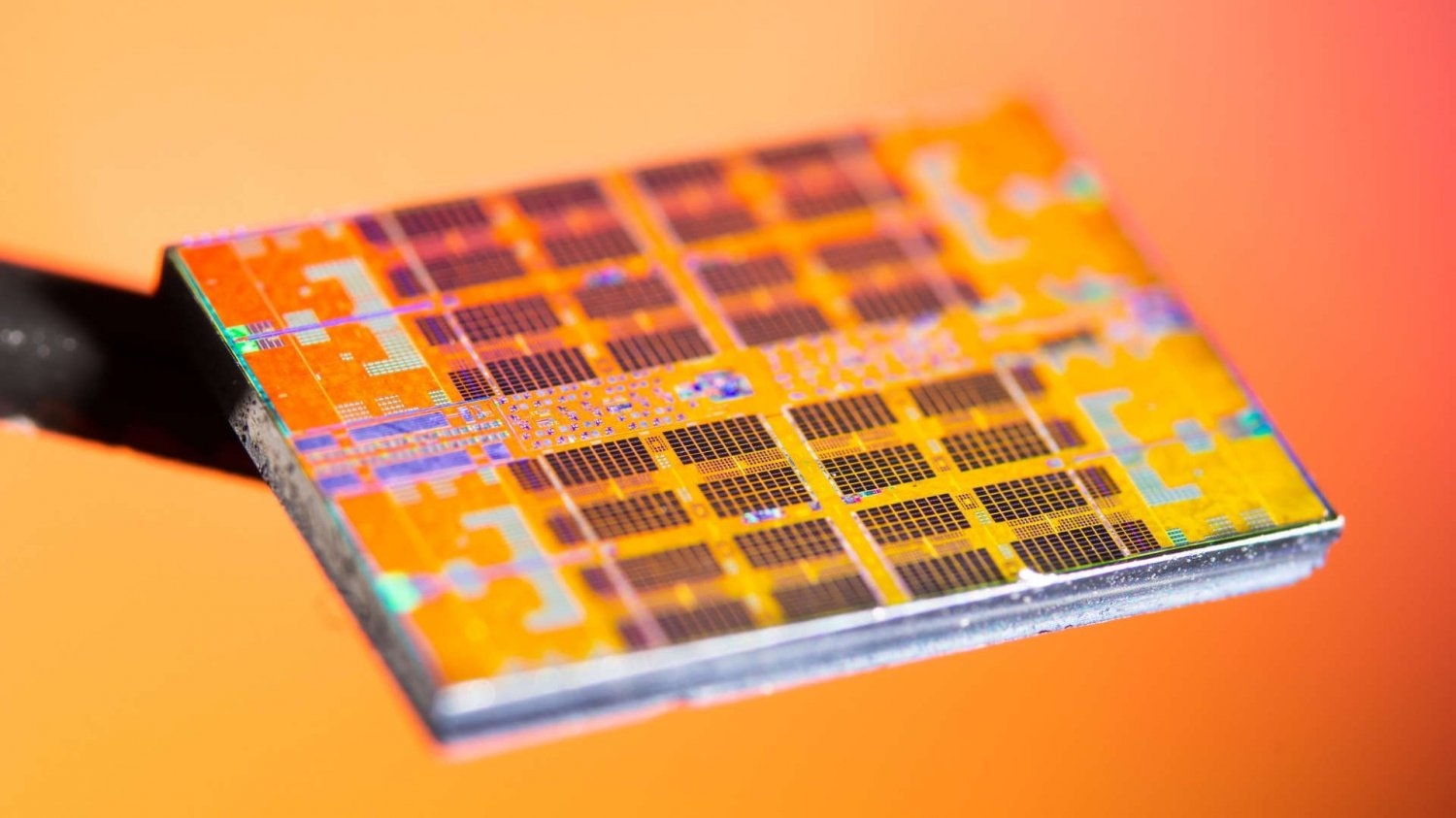
Smartphone chips are getting more powerful every year, but there’s one stubborn problem that keeps holding them back: heat. Even if next-generation manufacturing like TSMC’s upcoming 2nm process brings noticeable efficiency gains, modern mobile SoCs keep growing in complexity and density. That makes it harder for phones to sustain peak performance without overheating, and it’s why chip designers are constantly looking beyond smaller nodes to new packaging technologies.
Lately, industry chatter has suggested that major players such as TSMC and Huawei have explored the idea of 3D packaging for smartphone chipsets. In simple terms, 3D packaging stacks chips on top of each other, creating a tighter, higher-performance “chip sandwich.” On paper, that sounds like a great way to push mobile performance forward. In practice, it creates an even bigger enemy for smartphones: trapped heat.
The key issue is that smartphones simply don’t have the thermal headroom that PCs and servers do. Desktop processors and data-center chips can rely on large heatsinks, high-airflow fans, or even liquid cooling to pull heat away quickly. Phones don’t get that luxury. Most models depend on thin thermal materials and vapor chamber cooling, and only a few gaming-focused devices use small internal fans. When you stack silicon layers in a 3D design, the lower layers can block heat from escaping efficiently, causing temperatures to build up fast and making sustained performance difficult.
Samsung has already been experimenting with advanced thermal approaches. One recent example is Heat Pass Block (HPB), which places a copper heatsink structure over the silicon die to help reduce operating temperatures. However, solutions like this don’t fully solve the fundamental limitation of 3D-stacked designs in the cramped smartphone form factor, where heat buildup becomes much harder to manage.
A tipster posting on Weibo under the name “Fixed-focus digital cameras” adds to this perspective, suggesting that despite the rumors, companies like TSMC and Huawei are unlikely to bring 3D packaging to smartphones anytime soon. Instead, the focus is expected to remain on improving manufacturing processes and efficiency, rather than adopting a packaging method that could introduce major thermal drawbacks.
There’s another challenge shaping the future of smartphone chip development: leading-edge fabrication alone may no longer be the magic marketing hook it once was. As chip nodes become more expensive and gains become more incremental, consumers appear less swayed by “smaller nanometers” as a headline feature. That means the biggest chip brands may need to lean harder on architectural upgrades, smarter power management, and real-world performance tuning rather than relying on node shrinks to drive excitement.
If any company could realistically test the limits of advanced packaging, it’s Apple. The expectation is that Apple’s M5 Pro and M5 Max may use TSMC’s 2.5D packaging technology, a step that can improve interconnects and performance without going all the way into heat-heavy, fully stacked 3D designs. That kind of move makes sense for laptops and desktops, where there’s more room for cooling and larger enclosures can dissipate heat better than a thin smartphone chassis ever could.
Even so, a shift from 2.5D packaging to true 3D stacking would likely take years, assuming it happens at all. And if Apple experiments with 3D packaging, it would most likely stay within the M-series chips used in portable computers, rather than extending to iPhone-class silicon, where thermal constraints are far more punishing.
For now, traditional smartphone chipset packaging looks set to remain the standard. But that doesn’t mean the industry is standing still. As performance demands rise and heat limits become harder to ignore, chipmakers will keep searching for new approaches—whether that’s better materials, smarter thermal designs, improved efficiency through smaller process nodes, or alternative packaging ideas that deliver gains without turning smartphones into tiny space heaters.