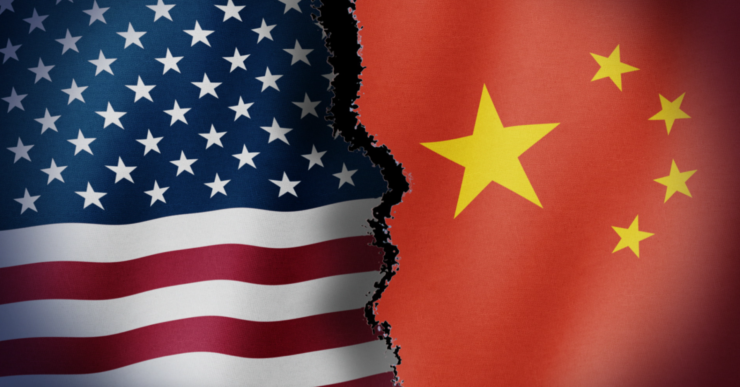
A recent report brings unsettling news for tech enthusiasts and consumers alike, suggesting a significant spike in electronics prices due to Donald Trump’s proposed tariff plan. These tariffs, intended to encourage domestic production and reduce the United States’ dependence on foreign countries, may unintentionally inflate the cost of consumer hardware by up to 40%.
As the election looms, Trump’s economic strategy, particularly his tough tariffs, has become a hot topic. The tariffs, supposedly designed to spur domestic manufacturing, might end up being a costly burden for consumers if implemented. According to insights gathered by the Consumer Technology Association (CTA), these tariffs would affect a wide range of products, prominently sourced from China, which is a major player in the U.S. tech market. Key items like phones, laptops, video game consoles, and computer accessories are set to see substantial price increases.
Specifically, the proposed tariffs would mean a 10% increase on most imports except those from China, which would see a steep 60% tariff. The ramifications for tech products could be severe, with prices potentially rising by:
– 46% for laptops and tablets
– 40% for video game consoles
– 26% for smartphones
Such increases could dissuade consumers from making purchases and might even drive manufacturers to seek more cost-effective production locales outside the United States, contrary to the intended effect of bolstering U.S. industrial growth.
Despite differing opinions among experts on the long-term impacts of these tariffs, there’s consensus that they could stifle consumer enthusiasm and disrupt business activity. The ripple effect of such tariffs has been a topic of concern since speculation about reinstating them surfaced, especially in relation to GPU products, which were expected to see a 25% tax hike. Although this decision was initially delayed under the current administration, the upcoming elections and the possibility of Trump’s return could mean these measures are revisited, leading to even higher prices in the tech market.
In summary, while the aim of these tariffs is to strengthen domestic industries, the immediate outcome might be a less favorable climate for consumer technology, with drastically higher prices and potential shifts in manufacturing trends.