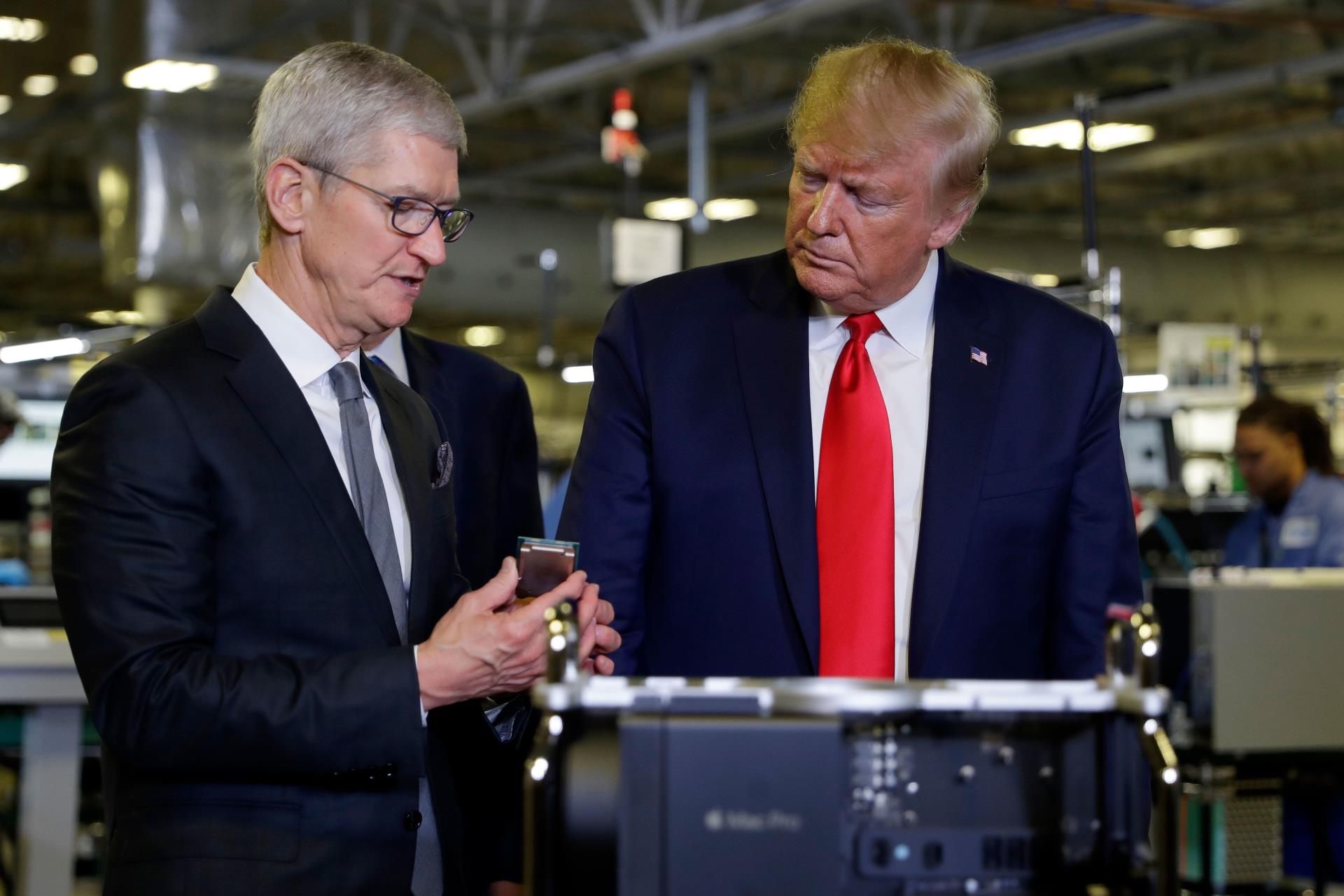
In a recent move that could significantly impact the tech industry, Donald Trump has unveiled a series of tariffs expected to sharply increase the prices of many Apple products. The tariffs, which could soar to as much as 46%, target regions where Apple has major manufacturing operations. This decision comes despite Apple’s significant commitment to invest $500 billion in the United States. Unfortunately for consumers, this means higher prices will likely be the norm for Apple devices.
The imposition of these tariffs could thwart Apple’s efforts to reduce its dependency on Chinese manufacturing. Starting April 5, a base tariff of 10% will be levied on all imports into the U.S., a move that is expected to affect consumer spending power significantly. Moreover, the U.S. government plans to implement “reciprocal tariffs” starting April 9. This measure is aimed at countries where U.S. exports are sold at higher prices due to international policies. Crucial regions for Apple’s supply chain are among those affected by the new tariffs.
Although Apple has been striving to diversify its production outside of China, the country remains vital for the manufacturing of its products like the iPhone. With these fresh tariffs, including a new 34% reciprocal tariff and a previous 20% levy imposed in January, Apple’s cost of importing products to the U.S. could increase substantially. This added financial burden may dissuade Apple from moving production elsewhere, as these alternative locations are also subject to hefty tariffs.
Countries like Vietnam and India will face 46% and 26% tariffs respectively, while Malaysia will contend with a 24% levy. Even regions previously untouched by such taxes will now experience a minimum of a 10% tariff. This financial strain will likely escalate production costs for Apple, squeezing their profit margins and putting the company in a difficult financial position.
There are reports suggesting that Trump might offer exceptions to some of these tariffs to ease the burden on regions critical to Apple’s operations. However, it’s clear that China remains a focal point for these tariffs, which suggests that the current measures may stay intact for the foreseeable future.