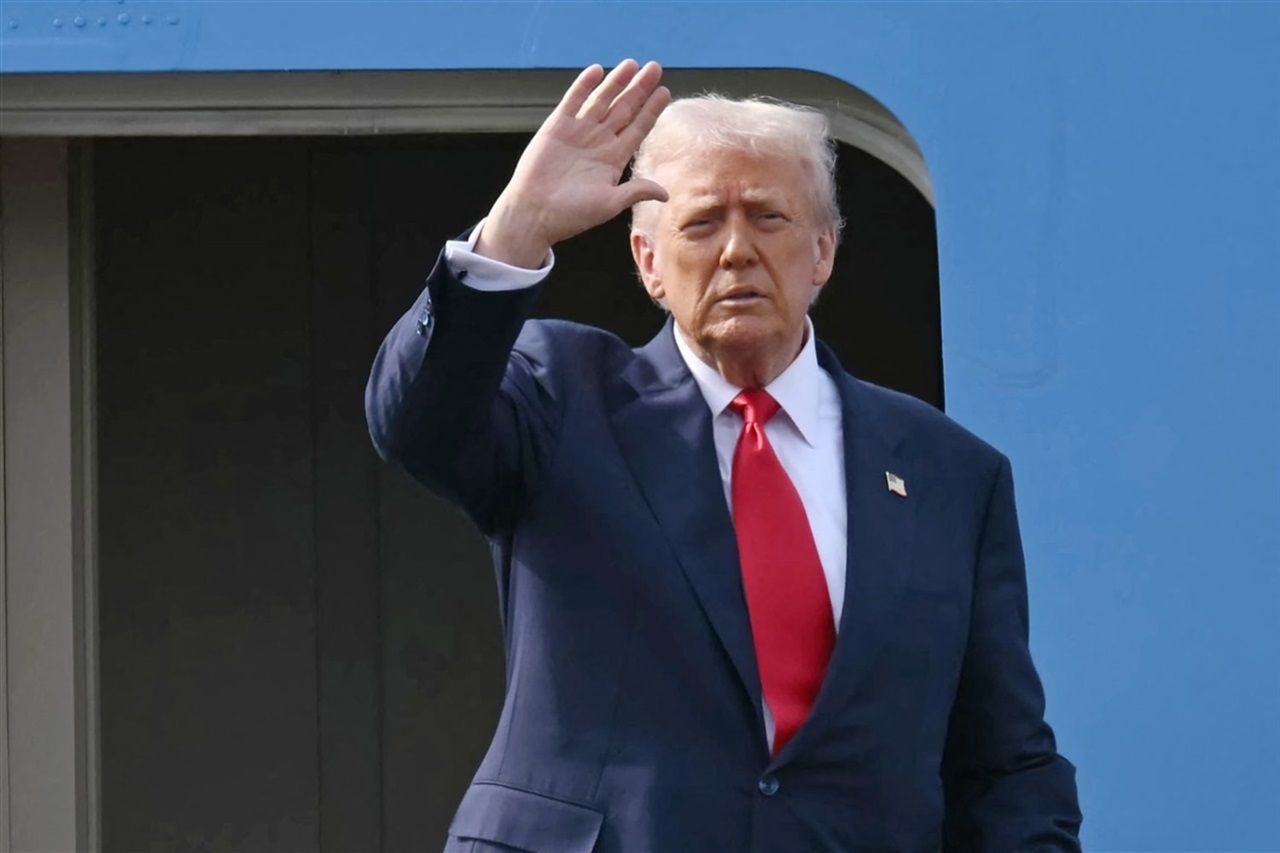
Trump wraps six-day Asia tour, signaling a push on rare-earths, tech, and economic security
US President Donald Trump has ended his six-day trip to Asia, concluding a fast-moving round of diplomacy that put economic security, critical minerals, and technology cooperation in sharp focus. The tour underscored rising demand for reliable supply chains and next-generation innovation, with rare-earth elements and advanced tech partnerships emerging as priority talking points.
Across the region, rare-earths remain central to everything from smartphones and electric vehicles to defense systems and clean energy. By spotlighting these critical materials, the trip highlighted a shared interest in stabilizing supply, diversifying sourcing, and encouraging new investment in extraction, processing, and recycling. A more secure rare-earth pipeline could help reduce bottlenecks, curb price volatility, and strengthen manufacturing resilience on both sides of the Pacific.
Technology collaboration was another headline theme. From semiconductors and AI to 5G, quantum research, and cybersecurity, Asian and US firms are increasingly interdependent. Deeper cooperation—whether through joint ventures, research programs, or manufacturing partnerships—could accelerate innovation while safeguarding sensitive intellectual property and standards. Strengthening these ties also supports domestic job creation and helps companies scale faster in strategically important sectors.
Trade and investment were part of the broader conversation, with an emphasis on predictability for businesses and long-term market access. The trip’s focus on economic ties aligns with global efforts to future-proof supply chains, expand clean-tech capacity, and encourage high-value manufacturing. For consumers, that can translate into more stable prices and faster adoption of new technologies. For industry, it means clearer pathways for capital, talent, and cross-border R&D.
What to watch next:
– Follow-up announcements on rare-earth projects, including processing and recycling initiatives aimed at reducing single-source dependence.
– New or expanded technology partnerships in semiconductors, AI, and telecommunications that prioritize security, transparency, and scalability.
– Measures to streamline trade, protect data, and harmonize standards, giving companies greater certainty for long-term planning.
– Industrial policies that align incentives for domestic production with international collaboration.
As the six-day Asia tour comes to a close, the message is clear: securing critical minerals, reinforcing resilient supply chains, and advancing technology partnerships are top priorities. The outcomes of this diplomatic push will be measured in the months ahead by concrete steps that bolster rare-earth availability, speed up tech innovation, and deepen US-Asia economic ties—key ingredients for growth and competitiveness in a more complex global economy.